


Looking for easy vegan protein sources that actually fit into everyday meals? This guide covers some of the best high-protein plant-based foods, from tofu and tempeh to lentils, beans, seeds, soy milk and vegan protein powder.
As someone who has been vegan for years, I know how repetitive the protein conversation can get - but getting enough protein on a vegan diet doesn’t have to mean eating the same tofu bowl every day. The easiest approach is to use a mix of different plant-based protein sources across your meals and snacks.
Below, you’ll find a quick protein list with serving sizes, a breakdown of the best vegan protein sources, simple ways to use them, and easy meal ideas to help you add more protein to your day.
Jump to:
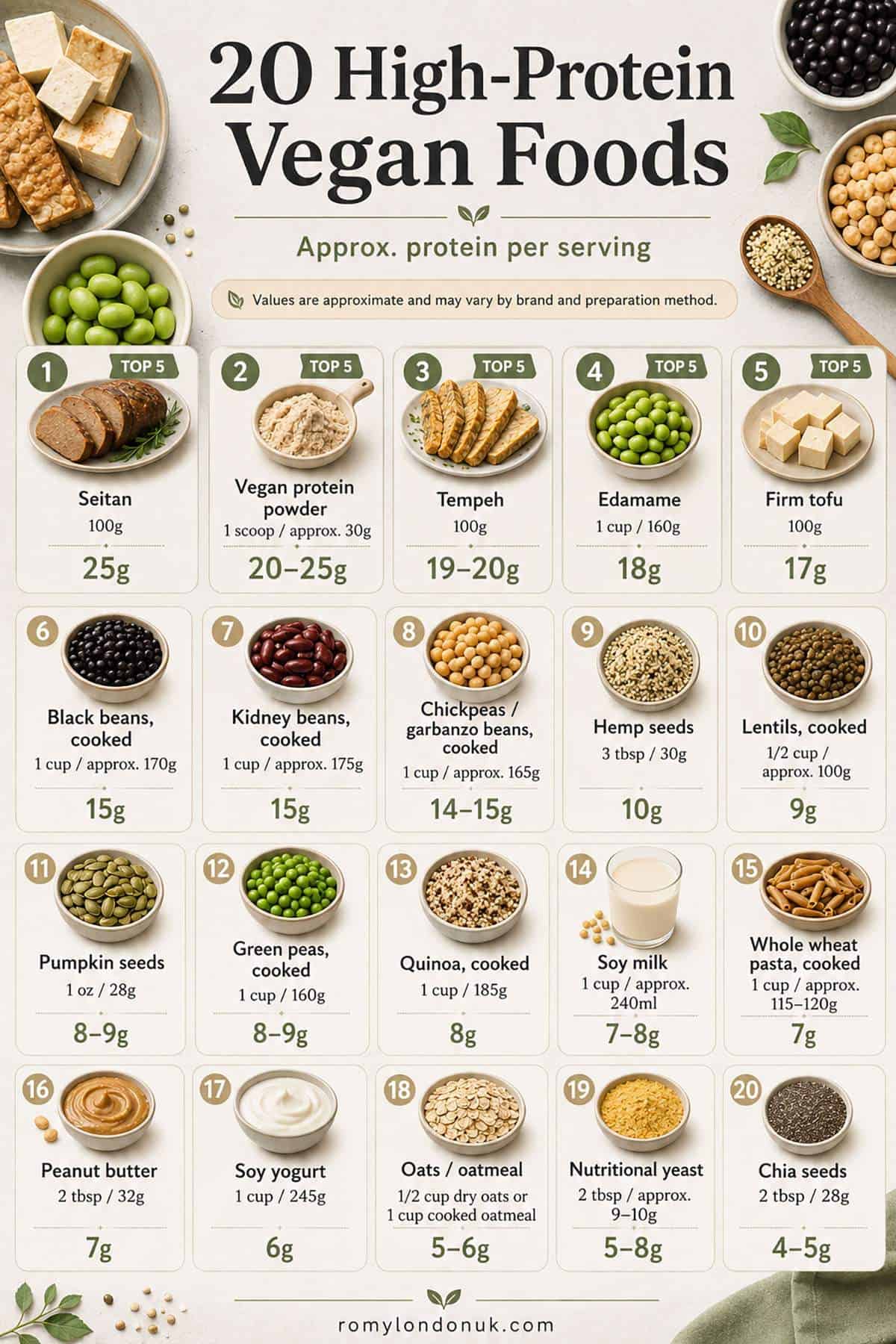
⚡ Quick List: High-Protein Vegan Foods
| Food | Typical serving | Approx. protein | Easy way to use it |
| Seitan | 100g | 25g | Stir-fries, wraps, gyros, kebab-style bowls |
| Firm tofu | 100g | 17g | Curries, tofu scramble, bowls, air fryer tofu |
| Tempeh | 100g | 19-20g | Marinades, sandwiches, traybakes, stir-fries |
| Edamame | 1 cup / 160g | 18g | Bowls, salads, snacks, noodle dishes |
| Lentils, cooked | ½ cup / approx. 100g | 9g | Soups, stews, pasta sauces, curries |
| Chickpeas / garbanzo beans, cooked | 1 cup / approx. 165g | 14-15g | Sandwich fillings, curries, hummus, salads |
| Black beans, cooked | 1 cup / approx. 170g | 15g | Burrito bowls, tacos, soups, chilli |
| Kidney beans, cooked | 1 cup / approx. 175g | 15g | Chilli, rice bowls, stews, salads |
| Hemp seeds | 3 tablespoon / 30g | 10g | Sprinkle over oats, smoothies, salads, soups |
| Pumpkin seeds | 1 oz / 28g | 8-9g | Toppings, granola, trail mix, snack bowls |
| Chia seeds | 2 tablespoon / 28g | 4-5g | Chia pudding, oats, smoothies, baking |
| Peanut butter | 2 tablespoon / 32g | 7g | Toast, oats, sauces, smoothies |
| Soya milk | 1 cup / approx. 240ml | 7-8g | Oats, smoothies, coffee, baking |
| Nutritional yeast | 2 tablespoon / approx 9-10g | 5-8g | Pasta sauces, tofu scramble, soups, cheesy toppings |
| Whole wheat pasta, cooked | 1 cup / approx. 115-120g | 7g | Pasta bowls, salads, one-pot dinners |
| Vegan protein powder | 1 scoop / approx. 30g | 20-25g | Smoothies, oats, snack bars, shakes |
| Quinoa, cooked | 1 cup / 185g | 8g | Grain bowls, salads, stuffed peppers, meal prep |
| Green peas, cooked | 1 cup / 160g | 8-9g | Pasta, soups, rice dishes, curries, sides |
| Soy yogurt | 1 cup / 245g | 6g | Breakfast bowls, smoothies, sauces, snacks |
| Oats / oatmeal | ½ cup dry oats or 1 cup cooked oatmeal | 5-6g | Overnight oats, porridge, smoothies, baking |
Note: Protein amounts are approximate and can vary by brand and preparation method. I’ve used typical serving sizes based on USDA-style nutrition data, but always check the nutrition label for packaged foods like tofu, tempeh, soy milk and protein powder.
🌱 Can Vegans Get Enough Protein?
Yes, it’s possible to get enough protein from vegan foods, especially when you include a variety of beans, lentils, tofu, tempeh, soya products, nuts, seeds and whole grains across the week.
Protein is made from amino acids, and the body uses those amino acids for growth, repair and everyday maintenance. In the UK, general adult protein recommendations are based on around 0.75g per kg of body weight per day, although individual needs vary depending on factors like activity level, age and health (Source: nutrition.org.uk).
The NHS also highlights beans, pulses, nuts and seeds as useful protein sources for people who don’t eat meat, fish or dairy products.
In the US, the FDA uses 50g protein as the Daily Value on Nutrition Facts labels. That doesn’t mean everyone personally needs exactly 50g per day, but it can be a helpful reference point when comparing foods.
🧬 What About Complete Vegan Proteins?
A “complete protein” contains all nine essential amino acids. Some vegan foods, such as soya foods, quinoa and buckwheat, are often discussed in this context.
That said, you don’t need every single meal to contain every amino acid in perfect amounts. For most people, the more useful approach is to eat a variety of protein-rich plant foods across the day and week.
Here are some examples:
- tofu + rice
- beans + whole grains
- lentils + bread
- hummus + wholemeal pitta
- oats + soy milk + seeds
🥘 Best Vegan Protein Sources
There are plenty of ways to get protein from plant-based foods, and the easiest approach is usually to include a mix of different sources across the day. Think beans, lentils, tofu, tempeh, seitan, seeds, nuts, soya products and whole grains rather than relying on one single food to do all the heavy lifting.
Some vegan protein sources are naturally higher in protein per serving, while others are useful because they’re easy to add to everyday meals. Here are some of the best high-protein vegan foods to keep on your radar.
1. Seitan
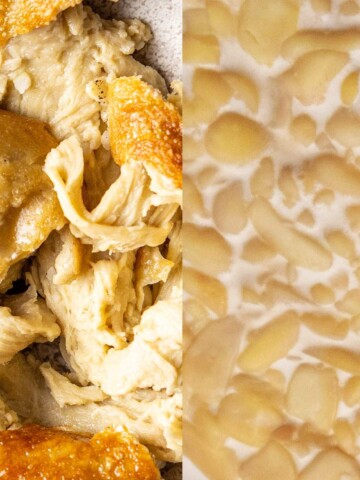
Seitan is one of the highest-protein vegan foods and is made from vital wheat gluten, the main protein found in wheat.
It has a chewy, meaty texture, which makes it brilliant for savoury meals like wraps, stir-fries, gyros, kebab-style bowls and “chicken”-style pieces.
A typical 100g serving of seitan can contain around 25g of protein, depending on the recipe or brand. It’s a great option if you want a high-protein plant-based food that feels substantial in a main meal.
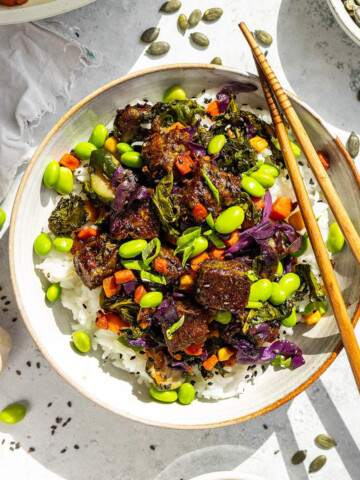
If you want to try making it from scratch, my vegan chicken made with seitan is a great way to start. You can also turn seitan into something heartier, like this vegan steak.
The one big thing to know: seitan is not suitable for anyone avoiding gluten.
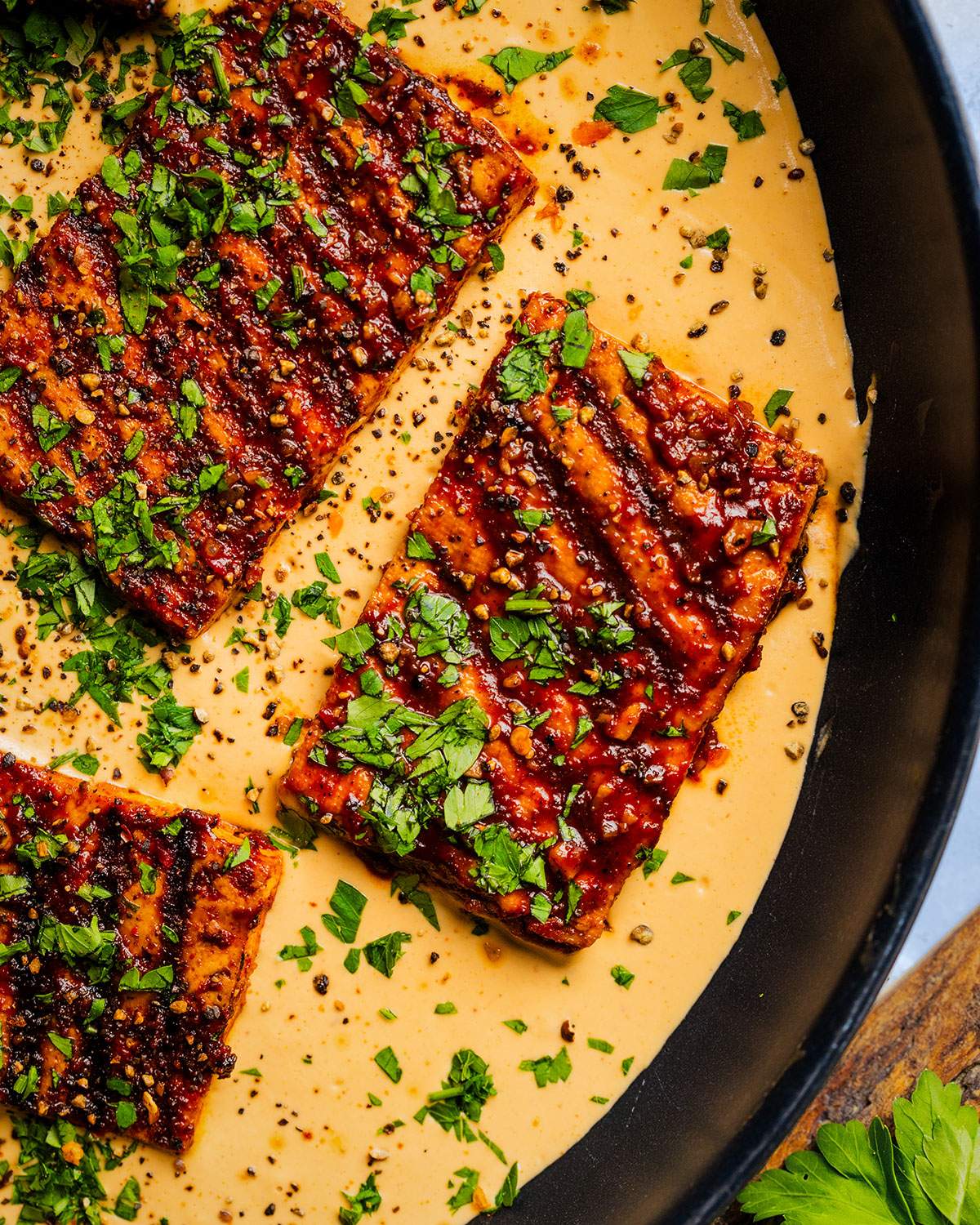
2. Tofu
Tofu is probably one of the most versatile vegan protein sources around.
Firm tofu works well in stir-fries, curries, traybakes, tofu scramble and air fryer recipes, while silken tofu is brilliant for creamy sauces, desserts and smoothies.
Depending on the type and brand, 100g of firm tofu can contain roughly 17g of protein. Firmer tofu generally has more protein than softer tofu because it contains less water.
It also absorbs flavour really well, so it’s worth pressing, marinating or seasoning it properly rather than expecting it to be exciting straight out of the packet. We’ve all met sad tofu. We don’t need to be that person. 😅
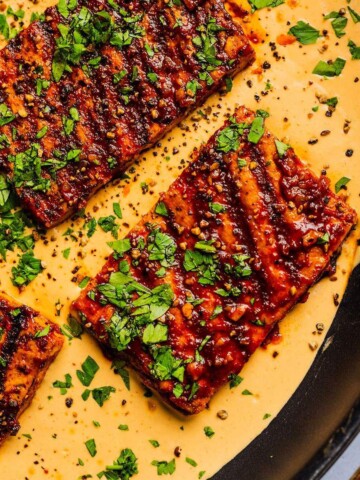
For a quick dinner, try my Cajun tofu. If you like bold flavors, this sticky BBQ tofu is another way to use firm tofu.
Tofu also works really well in noodle dishes, like this tofu Pad Thai.
3. Tempeh
Tempeh is made from fermented soya beans and has a firmer, nuttier texture than tofu.
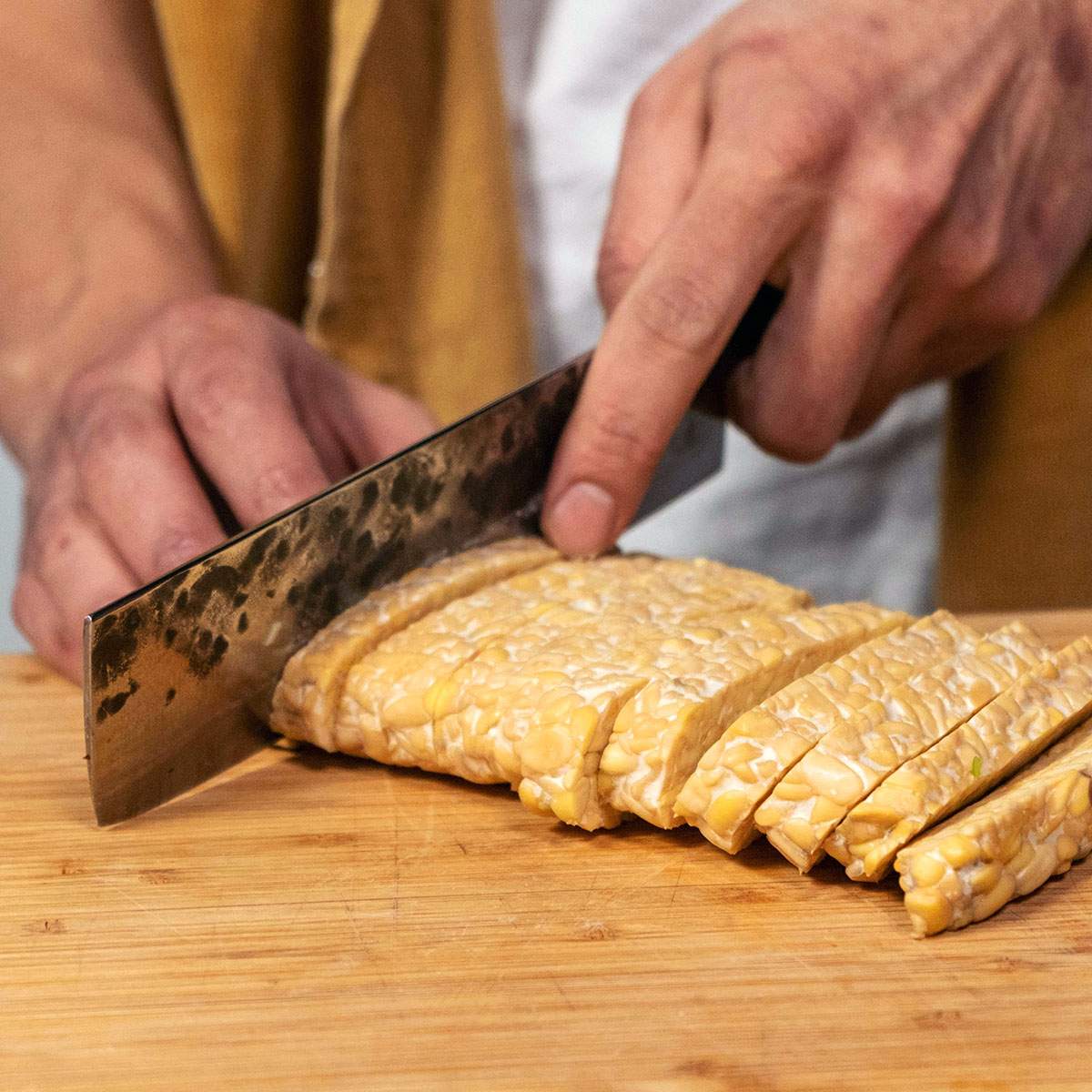
It’s great sliced into strips, crumbled into sauces, baked, pan-fried or added to sandwiches and bowls. Because it has a stronger flavour than tofu, I love it with bold marinades - soy sauce, garlic, ginger, maple syrup, smoked paprika, that kind of thing.
A 100g serving of tempeh usually contains around 19-20g of protein, making it one of the stronger plant-based protein options.
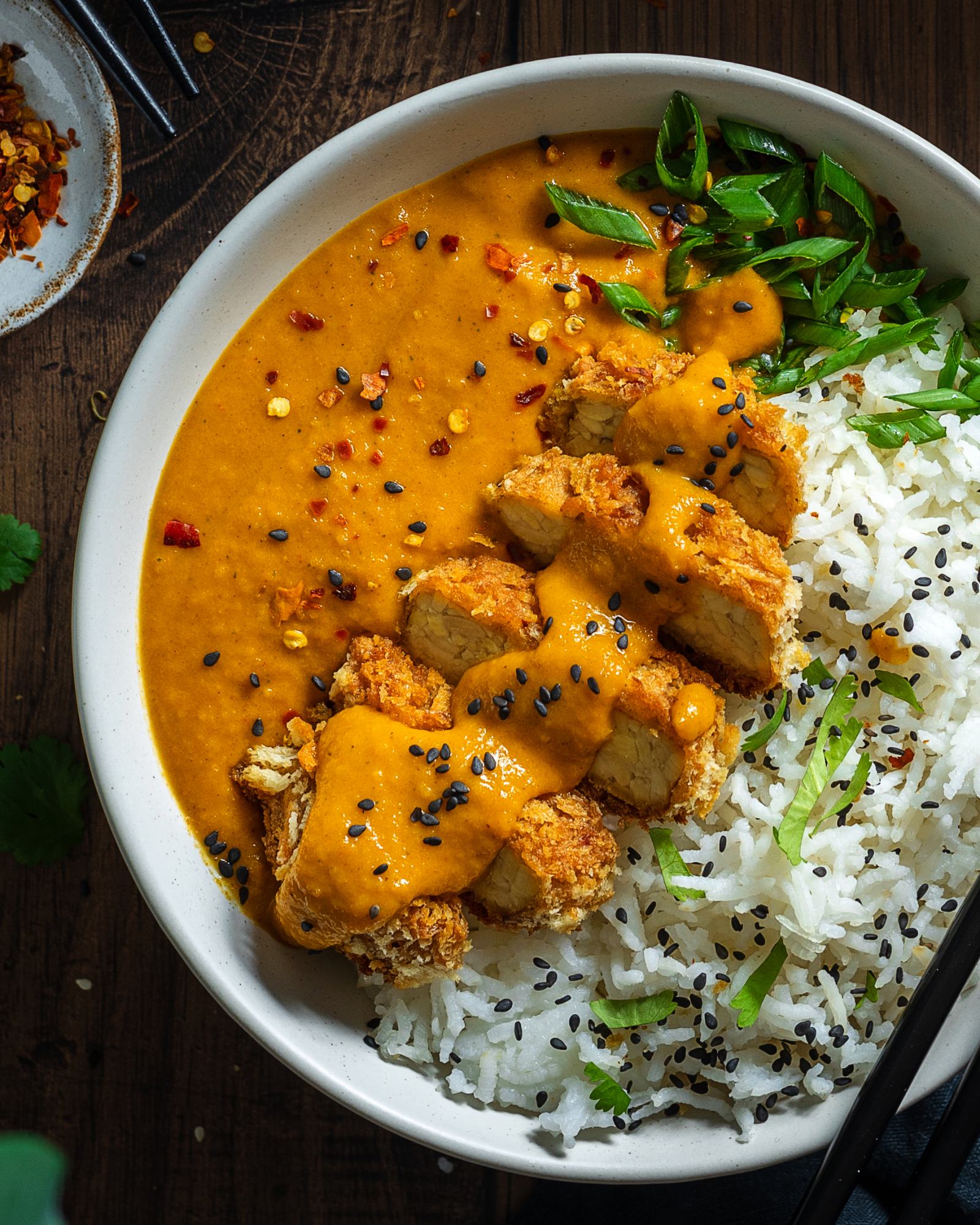
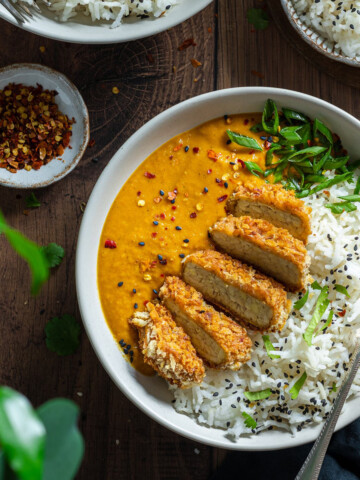
For a tasty tempeh dinner, try my tempeh katsu curry. You can also use tempeh in dishes like this tempeh Pad Thai.
4. Edamame
Edamame are young soya beans, and they’re one of those foods that are ridiculously easy to add to meals.
You can buy them frozen, then chuck them into noodle bowls, rice bowls, salads or soups. They also make a great snack with a little flaky salt or chilli.
One cup of cooked edamame, around 160g, contains roughly 18g of protein, so they’re a really easy win.
5. Lentils
Lentils are cheap, easy to cook and brilliant for adding protein to everyday meals.
Cooked lentils contain around 9g of protein per ½ cup / 100g serving, and they work beautifully in soups, stews, curries, bolognese-style sauces, salads and shepherd’s-pie-style fillings.
Red lentils break down and become soft, which makes them perfect for thickening soups and curries. Green and brown lentils hold their shape better, so they’re great for salads and heartier dishes.
Red lentils are perfect for quick curries, like this vegan red lentil dhal. For a heartier dinner, try my lentil and mushroom stroganoff.
6. Chickpeas / Garbanzo Beans
Chickpeas, also known as garbanzo beans, are another brilliant vegan protein source.
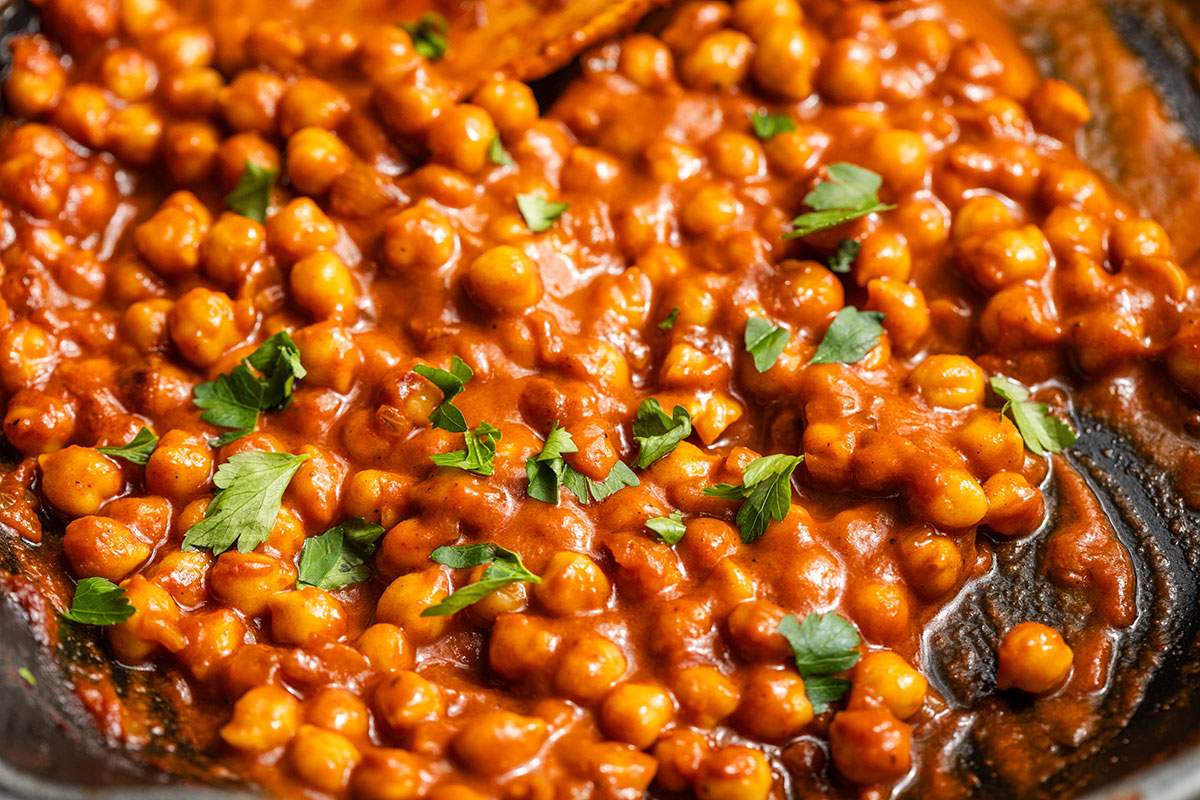
A cup of cooked chickpeas contains around 14-15g of protein, and they’re incredibly versatile. Use them in curries, salads, hummus, falafel, roasted snacks or mashed into a sandwich filling.
They’re also one of my favourite “I need food but I have no plan” ingredients because a tin of chickpeas can become a proper meal surprisingly quickly.
Chickpeas are brilliant in curries, like this vegan butter chickpea curry. For lunch, you can mash them into a quick chickpea tuna mayo sandwich.
7. Black Beans
Black beans are especially good in Mexican-inspired meals, burrito bowls, tacos, soups and chilli.
One cup of cooked black beans contains around 15g of protein, as well as plenty of fibre.
They’re also great for adding body to meals. Mash some into a sauce or filling, leave some whole for texture, and suddenly dinner feels like it had more planning behind it than it actually did.
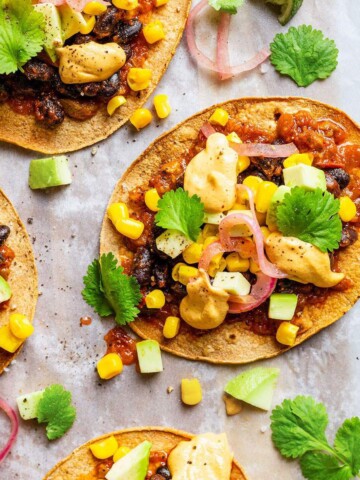
Black beans are great in Mexican-inspired meals, like these black bean tostadas. They also work beautifully in a vegan burrito bowl.
8. Kidney Beans
Kidney beans are another easy, affordable protein source.
One cup of cooked kidney beans contains roughly 15g of protein. They’re brilliant in chilli, stews, rice dishes and bean salads.
They’re especially handy if you like batch-cooking because they hold their shape well and work in rich, saucy dishes.
9. Hemp Seeds
Hemp seeds are small but mighty.
Three tablespoons, around 30g, can contain roughly 10g of protein, which is pretty impressive for something you can simply sprinkle over food.
They’re great on porridge, smoothie bowls, soups, salads and roasted vegetables. They have a mild, nutty flavour, so they blend into meals without taking over.
10. Pumpkin Seeds
Pumpkin seeds are another easy protein boost.
A 28g serving, about 1 ounce, contains roughly 8-9g of protein. They’re also lovely for adding crunch to soups, salads, granola, roasted vegetables and snack mixes.
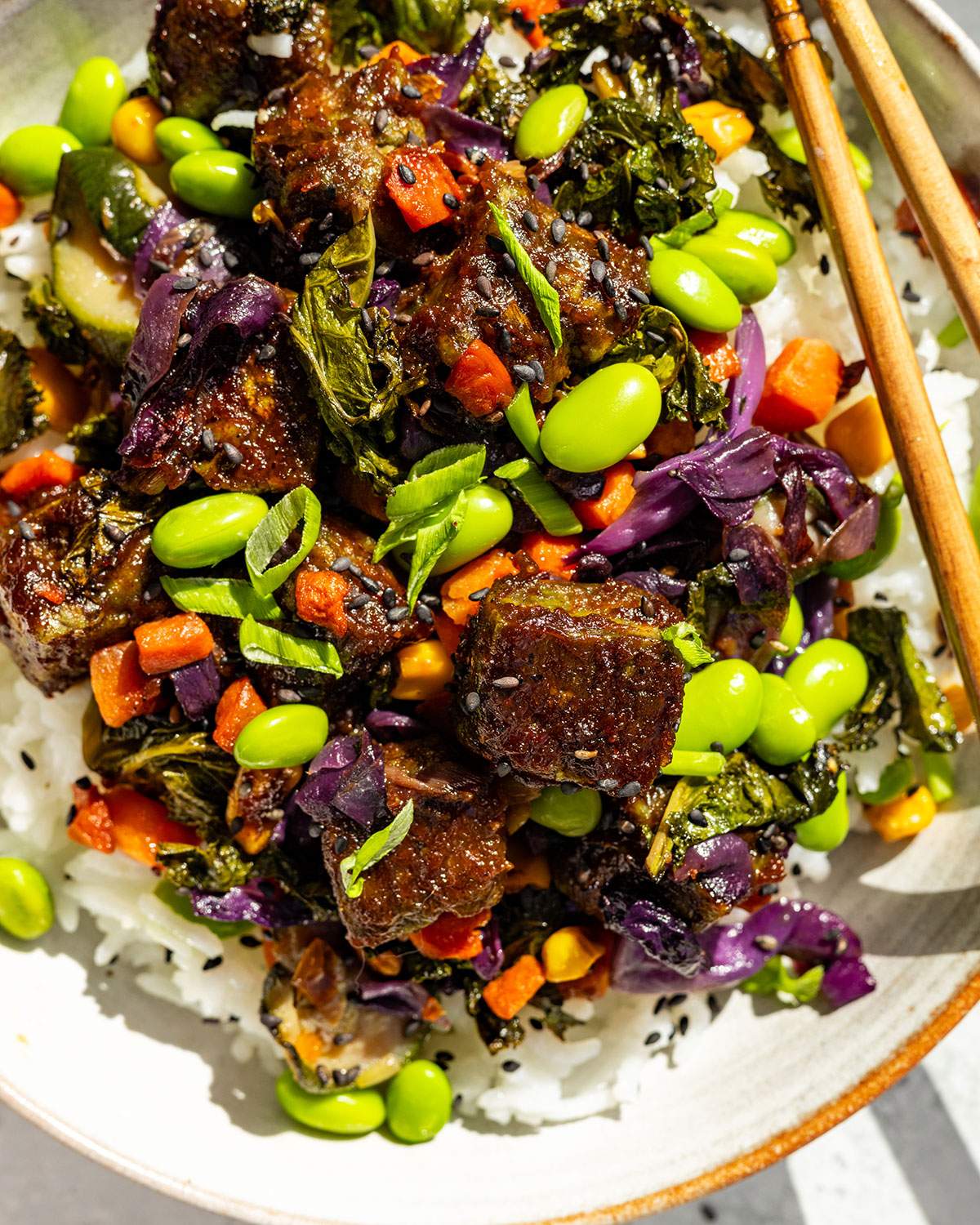
I especially like them toasted with a little salt, smoked paprika or chilli. You can also blend pumpkin seeds into sauces like this pumpkin seed pesto, or turn them into this pumfu (aka pumpkin seed tofu).
11. Chia Seeds
Chia seeds are not the highest-protein food on this list, but they’re still useful.
Two tablespoons contain around 4-5g of protein, and they’re easy to add to breakfasts, smoothies, puddings and bakes.
They also absorb liquid and form a gel-like texture, which makes them great for chia pudding, overnight oats or thickening smoothies.
12. Peanut Butter
Peanut butter does contain protein, but I’d treat it as a protein-supporting ingredient rather than your main protein source.
Two tablespoons contain around 7g of protein, but peanut butter is also rich and energy-dense, so it’s not quite in the same category as tofu, tempeh, lentils or seitan.
That said, it’s genuinely useful in oats, smoothies, toast, sauces, noodle dressings and snack bars. It also makes things taste like you’ve made an effort, even when you absolutely have not.
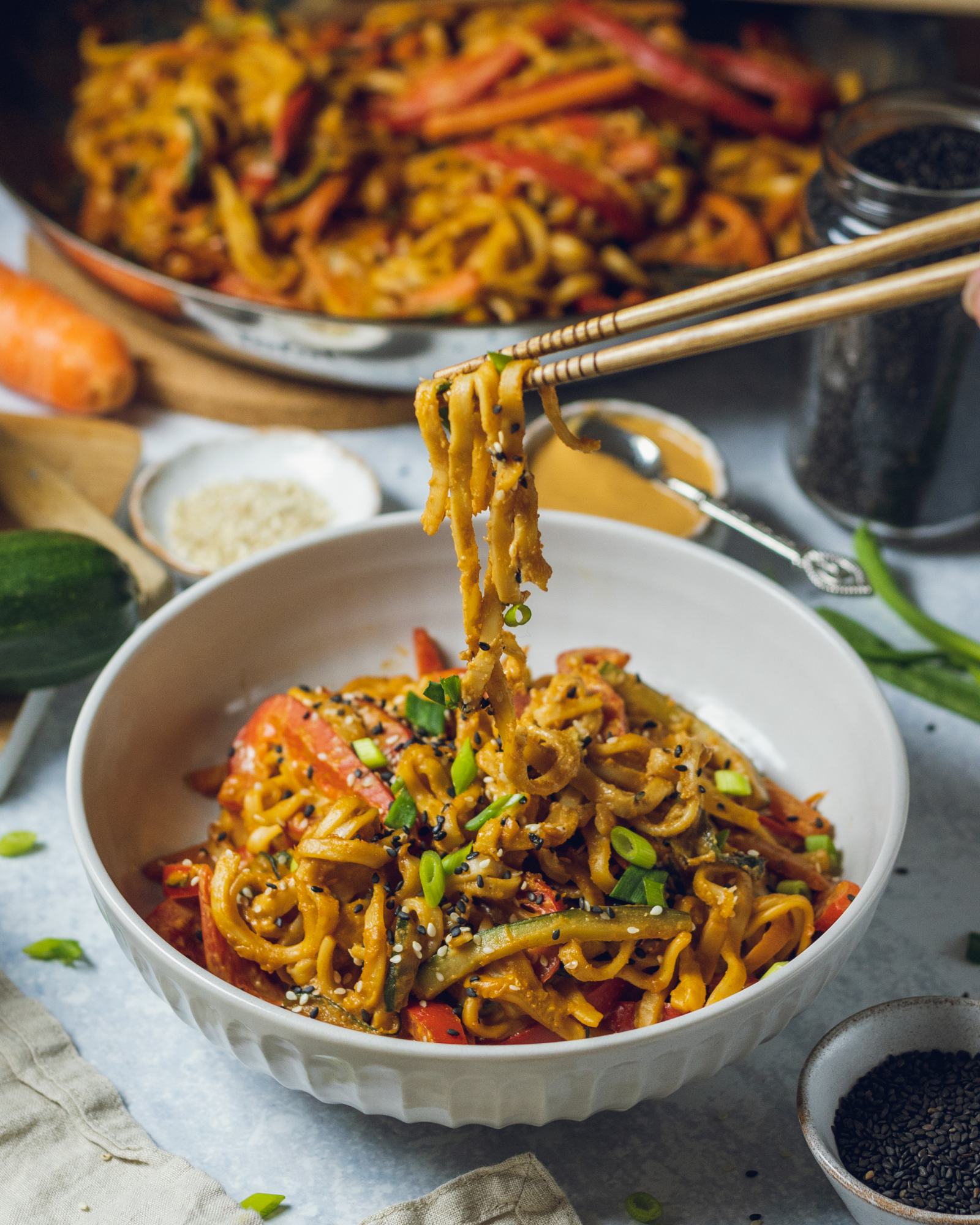
For a savory peanut butter recipe, try my vegan peanut noodles.
13. Soya Milk
Soya milk is one of the easiest everyday swaps if you want to add more plant-based protein.
A cup, around 240ml, usually contains about 7-8g of protein, depending on the brand.
Use it in porridge, overnight oats, smoothies, coffee, pancakes and baking. Compared with many other plant milks, soya milk is usually one of the higher-protein options.
14. Nutritional Yeast
Nutritional yeast is a savoury, cheesy-tasting ingredient that can add both flavour and protein.
Depending on the brand, 2 tablespoons can contain around 5-8g of protein.
It’s brilliant in creamy pasta sauces, tofu scramble, soups, creamy sauces like this vegan cheese sauce or this vegan nacho dip, popcorn seasoning and savoury toppings.
15. Whole Wheat Pasta
Whole wheat pasta might not be the first thing you think of when you hear “vegan protein sources”, but it can still contribute.
A cup of cooked whole wheat pasta contains around 7g of protein. Pair it with lentils, beans, tofu, tempeh or a creamy nutritional yeast sauce, and you can easily turn it into a more balanced, protein-rich meal.
It’s a nice reminder that protein doesn’t only come from the “main protein” on the plate - lots of smaller sources can add up.
16. Vegan Protein Powder
Vegan protein powder is not essential, but it can be useful.
A typical 30g scoop often contains around 20-25g of protein, depending on the brand and type. Pea protein, soya protein, rice protein and blends are all common options.
I’d think of protein powder as a convenience ingredient rather than something every vegan automatically needs. It can be handy in smoothies, overnight oats, protein bars or quick post-workout snacks, but plenty of people get enough protein from regular plant-based meals.
For a quick protein-powder snack, try this easy protein pudding. You can also blend it into this chocolate protein smoothie bowl.
17. Quinoa
Quinoa is a handy plant-based protein source, especially if you want something that works as both a carb and a protein-supporting ingredient.
One cup of cooked quinoa contains around 8g of protein, and it’s really easy to use in grain bowls, salads, stuffed peppers, veggie burgers and meal prep lunches.
It also has a lovely fluffy texture when cooked properly, with a slightly nutty flavor that works well with roasted vegetables, beans, tofu, tempeh and creamy dressings.
I wouldn’t use quinoa as the only protein source in a meal, but it’s brilliant for helping build a more balanced bowl. Pair it with black beans, chickpeas, tofu, edamame or pumpkin seeds and the protein adds up quickly.
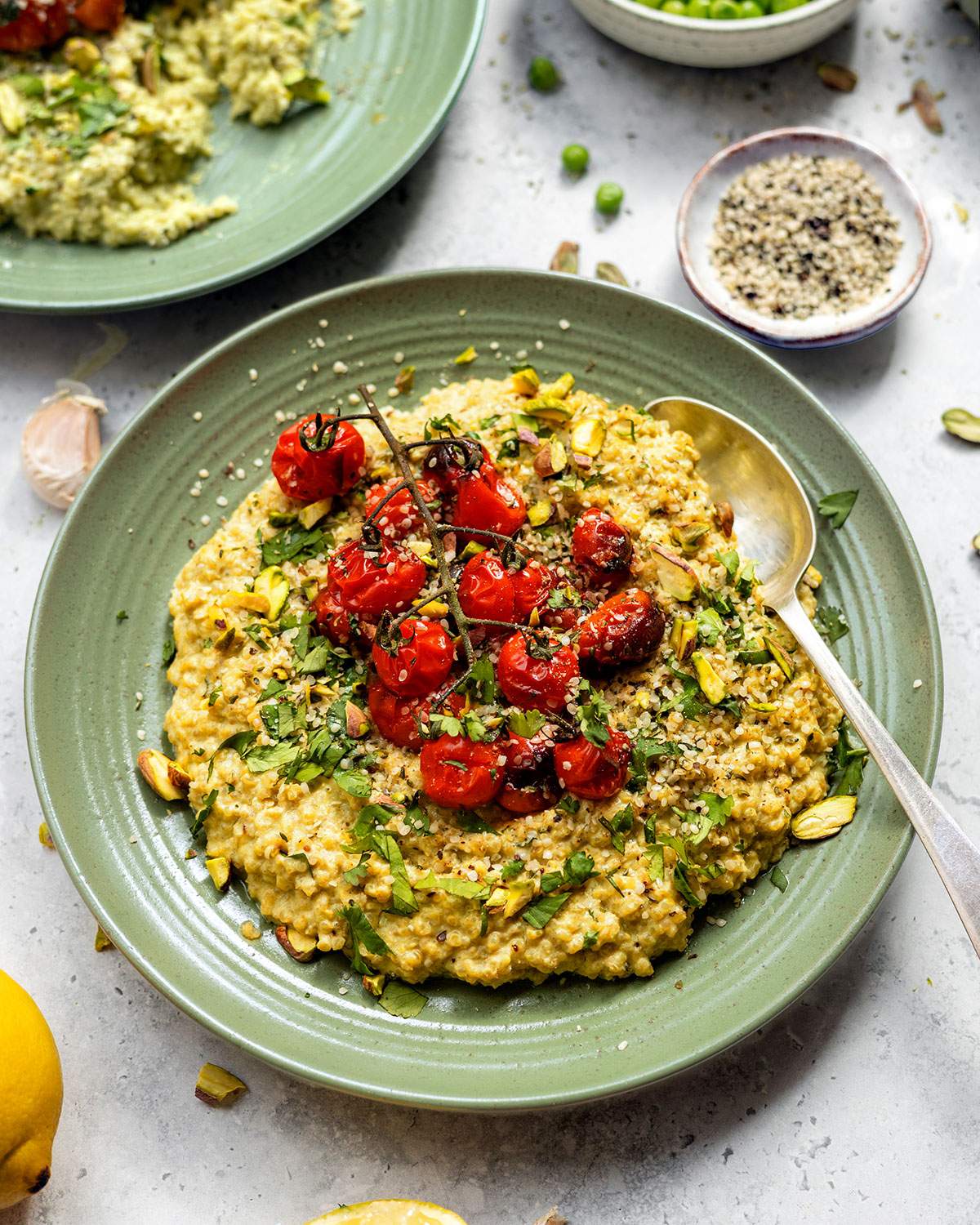
For a fantastic dinner idea using quinoa, try my creamy quinotto (quinoa risotto).
18. Green peas
Green peas are easy to overlook, but they’re surprisingly useful for adding plant-based protein to everyday meals.
One cup of cooked green peas contains around 8-9g of protein, which makes them a great supporting ingredient for pasta, rice dishes, soups, curries and quick weeknight meals.
They’re also one of the easiest freezer staples to keep around. You can stir them into pasta sauces, blend them into soup, add them to fried rice or toss them through a curry right at the end.
Frozen peas are great in soups too, like this frozen pea and kale soup.
They’re not usually the main protein source on the plate, but they’re a brilliant little boost - especially when combined with lentils, tofu, beans or whole grains.
19. Soy yogurt
Soy yogurt is a really easy option for breakfasts, snacks and smoothies.
Protein amounts vary a lot between brands, but plain soy yogurt can provide around 6g of protein per cup, sometimes more depending on the product. It’s usually higher in protein than many almond, oat or coconut-based yogurts, so it’s worth checking the label when you shop.
Use it in breakfast bowls with fruit, granola and hemp seeds, blend it into smoothies, or stir it into sauces and dressings for a creamy finish.
I’d choose unsweetened soy yogurt for the most versatile option, especially if you want to use it in both sweet and savory recipes.
20. Oats / oatmeal
Oats are not the highest-protein food on this list, but they’re one of the easiest ways to add a little more plant-based protein to breakfast.
A typical serving of oatmeal contains around 5-6g of protein, and you can easily increase that by making it with soy milk, stirring in peanut butter, adding hemp seeds or mixing in vegan protein powder.
Oats are great for overnight oats, porridge, baked oats, smoothies, breakfast cookies and snack bars. They’re cheap, easy to keep in the cupboard and work with loads of different flavors.
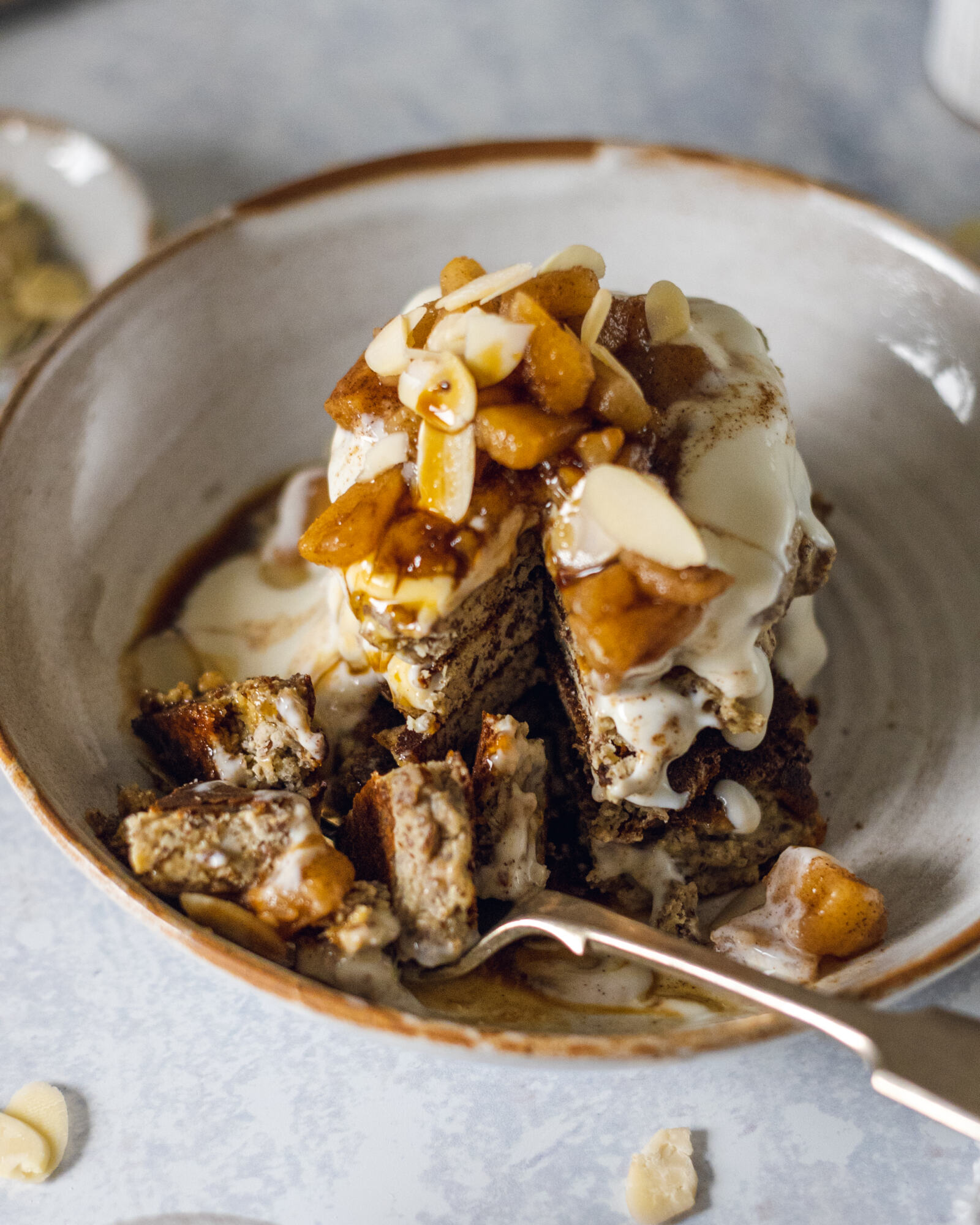
Oats also work well in breakfast recipes, like these vegan protein pancakes.
Think of oats as a protein-supporting base rather than the main protein source. On their own, they’re useful. With soy milk, seeds and nut butter, they become a much stronger high-protein vegan breakfast.
➕ Easy Ways to Add More Vegan Protein
Adding more vegan protein doesn’t need to mean completely changing how you eat. Often, it’s more about making small swaps or adding one extra protein-rich ingredient to meals you already enjoy.
Here are some easy ways to do it.
Use Soya Milk in Breakfasts and Smoothies
If you usually use oat, almond or coconut milk, switching to soya milk can be an easy protein boost.
Use it in porridge, overnight oats, smoothies, pancakes or coffee. It’s one of the simplest changes because you don’t really have to cook anything differently.
Add Seeds to Everyday Meals
Keep a jar of hemp seeds, pumpkin seeds or chia seeds nearby and sprinkle them over meals.
Try them on:
- porridge
- smoothie bowls
- soups
- salads
- roasted vegetables
- pasta dishes
- avocado toast
It’s a tiny effort, big “look at me being organised” energy.
Add Beans or Lentils to Sauces
Beans and lentils are great for bulking out meals and adding protein at the same time.
You can stir lentils into pasta sauce, add black beans to chilli, mix chickpeas into curries or mash beans into wraps and sandwiches.
For an easy win, add half a tin of beans or lentils to whatever saucy thing you’re already making.
For tasty dinner ideas, try adding lentils to a lentil and mushroom stroganoff or using chickpeas in a creamy vegan butter chickpea curry.
Build Meals Around Tofu, Tempeh or Seitan
For higher-protein lunches and dinners, start with one main protein source.
For example:
- tofu in a curry or stir-fry
- tempeh in a sandwich or bowl
- seitan in wraps or gyros
- edamame in noodle bowls
- lentils in soups and stews
Then add your carbs, veg, sauce and toppings around it. For example, you could make Cajun tofu, tempeh katsu curry or vegan gyros and build the rest of the meal around that main protein source.
Make Your Snacks Work Harder
Snacks can be an easy place to sneak in more protein.
Try:
- roasted chickpeas
- edamame
- peanut butter on toast
- hummus with crackers or veg
- soy yoghurt with seeds
- homemade protein bars
- trail mix with pumpkin seeds and nuts
I wouldn’t overthink this. A snack doesn’t need to be a full spreadsheet moment.
If you want something sweet but still protein-focused, try my Snickers protein balls, easy protein pudding or chocolate protein cookies.
Use Nutritional Yeast in Savory Meals
Nutritional yeast is such an easy add-in because it brings flavour as well as protein.
Stir it into:
- pasta sauces
- soups
- tofu scramble
- mashed potatoes
- risotto-style dishes
- creamy cashew sauces
- savoury porridge, if that’s your thing
It gives a cheesy, savoury note without much effort. I often use it in creamy, cheesy-style recipes, like my vegan cheese sauce or this gratable vegan parmesan.
Pair Smaller Protein Sources Together
Not every meal needs one giant protein centrepiece.
You can build up the total by combining several smaller sources:
- whole wheat pasta + lentils
- oats + soya milk + hemp seeds
- rice + black beans + pumpkin seeds
- toast + peanut butter + chia seeds
- salad + chickpeas + hummus
- tofu + noodles + edamame
This is probably the most realistic way to eat more protein day to day.
Keep High-Protein Staples Ready
Make it easier for Future You. Future You is tired and cannot be trusted with complicated decisions. 😅
Useful staples to keep around:
- tins of chickpeas, black beans and kidney beans
- dried or cooked lentils
- frozen edamame
- tofu or tempeh
- seitan pieces
- soya milk
- pumpkin seeds and hemp seeds
- nutritional yeast
- vegan protein powder, if you use it
With those around, it’s much easier to turn a random fridge situation into an actual meal.
🍽️ High-Protein Vegan Meal Ideas
Once you know which vegan foods are higher in protein, the next step is working them into actual meals. The easiest way to do this is to build meals around one main protein source, then add smaller protein boosts with seeds, whole grains, soy milk, nutritional yeast or beans.
Here are some simple high-protein vegan meal ideas to get you started.
Breakfast Ideas
Overnight oats with soy milk and seeds
Use soy milk instead of a lower-protein plant milk, then add chia seeds, hemp seeds or peanut butter. You can also stir in a scoop of vegan protein powder if you want an extra boost.
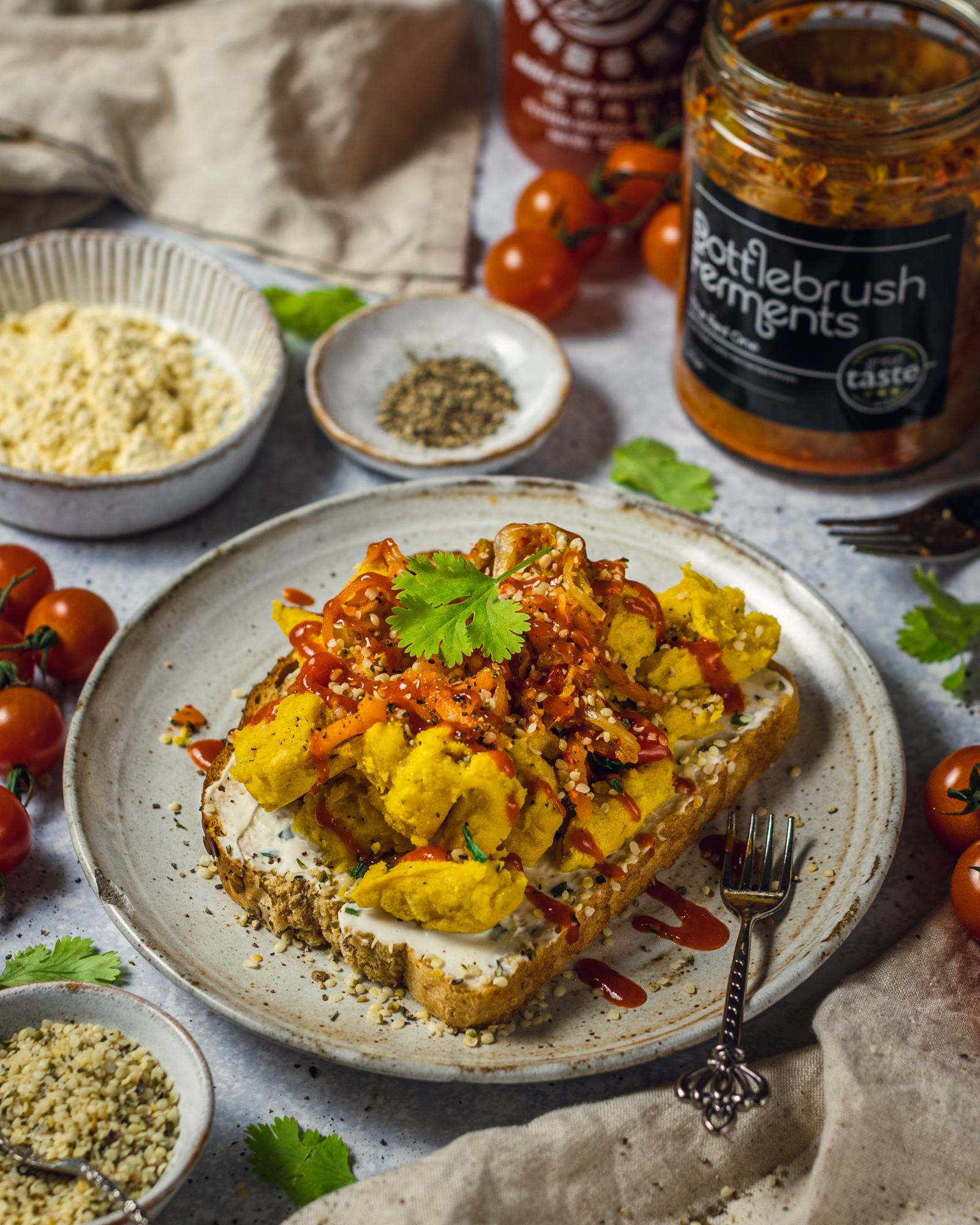
Tofu scramble on toast
Firm tofu works brilliantly as a savory breakfast. Crumble it into a pan with turmeric, garlic powder, nutritional yeast and a little black salt if you like that eggy flavor.
Protein smoothie
Blend soy milk with frozen fruit, peanut butter, chia seeds and vegan protein powder. This is one of the quickest options when you want something easy but more filling.
Soy yogurt bowl
Top soy yogurt with pumpkin seeds, hemp seeds, granola and fresh fruit. It’s simple, quick and easy to adjust depending on what you have in the kitchen.
Vegan protein pancakes
For a weekend-style breakfast with a protein boost, try my vegan protein pancakes. They’re especially handy if you want something more filling than plain pancakes.
Chocolate protein smoothie bowl
A chocolate protein smoothie bowl is an easy way to use vegan protein powder, soy milk and toppings like hemp seeds, chia seeds or peanut butter.
Easy protein pudding
For a quick make-ahead option, my easy protein pudding works well as a snack or breakfast-style bowl.
Lunch Ideas
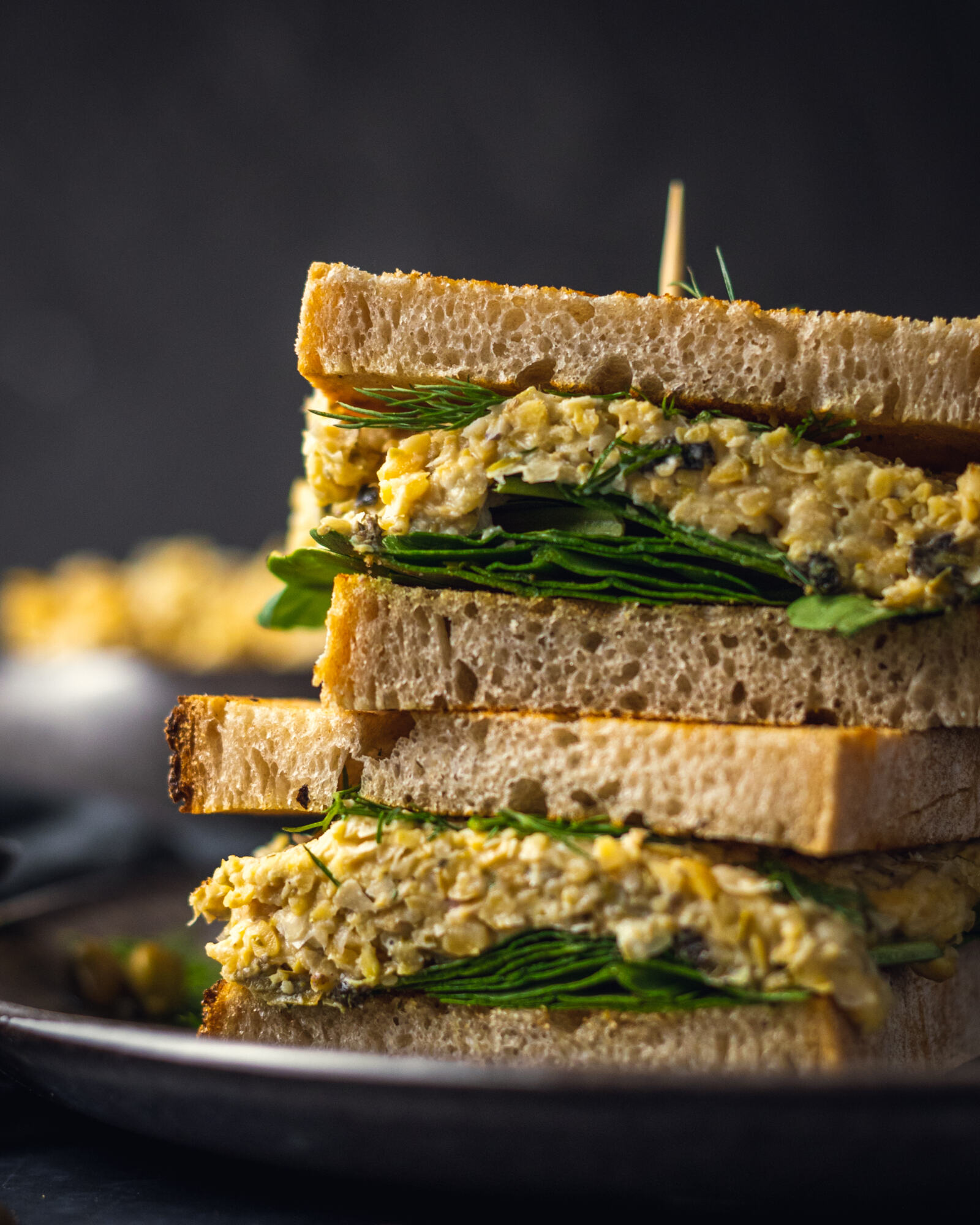
Chickpea sandwich filling
For an easy lunch, try my chickpea tuna mayo sandwich. It’s a simple way to turn a tin of chickpeas into something filling and sandwich-friendly.
Vegan burrito bowl
A vegan burrito bowl is a brilliant way to combine beans, rice, vegetables and toppings in one easy meal.
Black bean tostadas
These black bean tostadas are great for a quick lunch with beans, toppings and plenty of crunch.
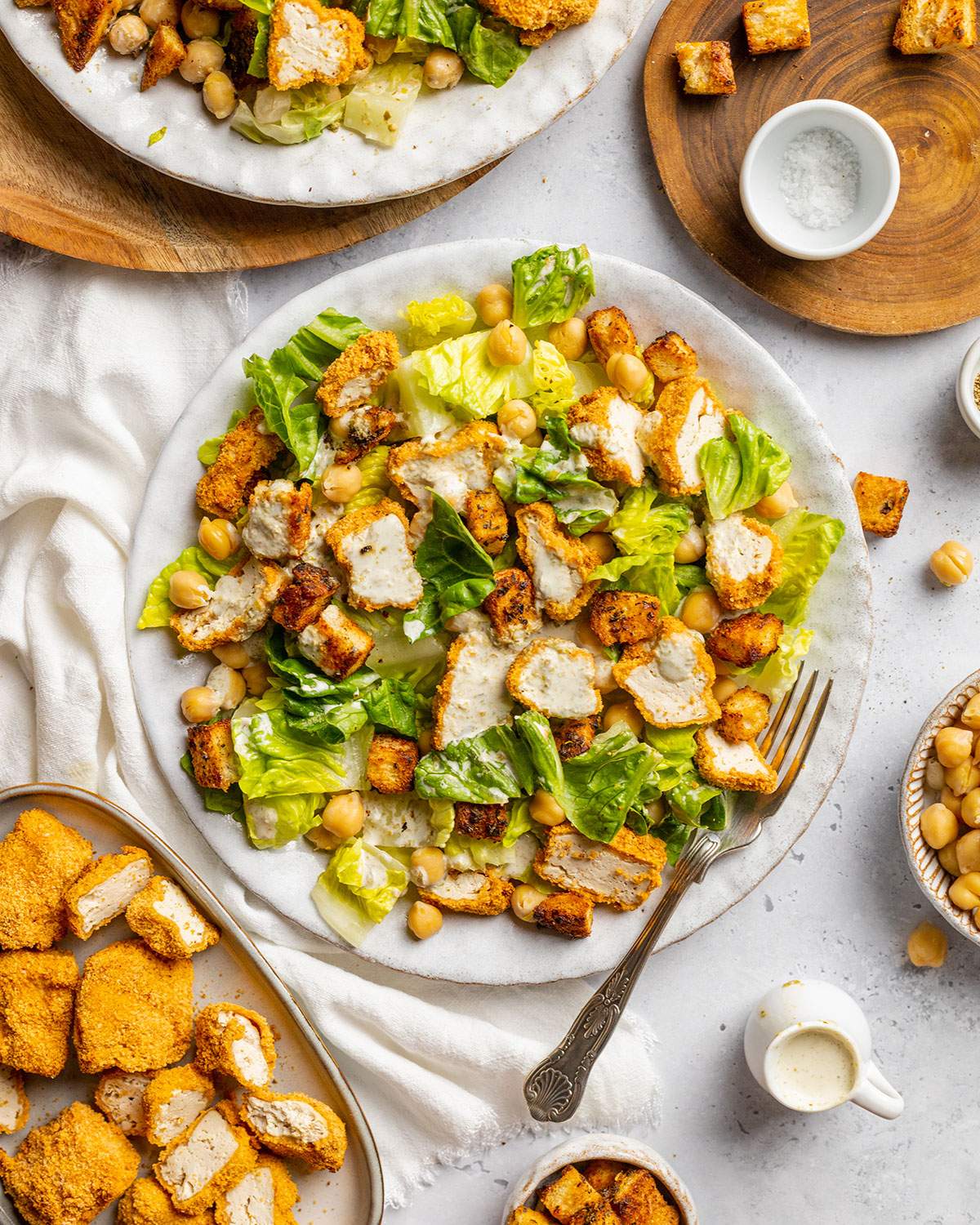
Tofu Caesar salad
For something fresh but still protein-focused, try my tofu Caesar salad.
Lentil salad
Use cooked green or brown lentils as the base, then add chopped vegetables, herbs, olive oil and lemon juice. This is great for meal prep because lentils hold their shape well.
Tofu bowl
Pair crispy tofu with rice, noodles or quinoa, then add vegetables and a flavorful sauce. Peanut sauce, teriyaki-style sauce or a spicy tahini dressing all work well.
Dinner Ideas
Seitan gyros or wraps
Seitan is one of the highest-protein vegan foods, so it’s brilliant in wraps, gyros, kebab-style bowls or loaded flatbreads.
Tofu curry
Add firm tofu to a curry sauce with vegetables and serve with rice. You can also add lentils or chickpeas if you want a more filling meal.
Lentil pasta sauce
Stir cooked lentils into tomato sauce for a simple vegan bolognese-style dinner. Serve with whole wheat pasta for another small protein boost.
Cajun tofu
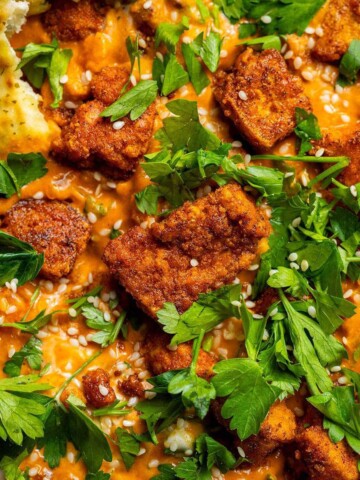
This Cajun tofu is a great option if you want a flavorful tofu dinner that works with rice, potatoes, salad or vegetables.
Bean chili
Use kidney beans, black beans or pinto beans with tomatoes, peppers, spices and corn. It’s easy to batch-cook and works well with rice, baked potatoes or tortilla chips.
Tempeh stir-fry
Slice or crumble tempeh and cook it with vegetables, noodles and a bold sauce. Tempeh has a nuttier flavor than tofu, so it works especially well with garlic, ginger, soy sauce and maple syrup.
Tempeh katsu curry
For a cozy tempeh meal, try my tempeh katsu curry.
Vegan red lentil dhal
Lentils are perfect for saucy dinners, and this vegan red lentil dhal is a simple way to use them.
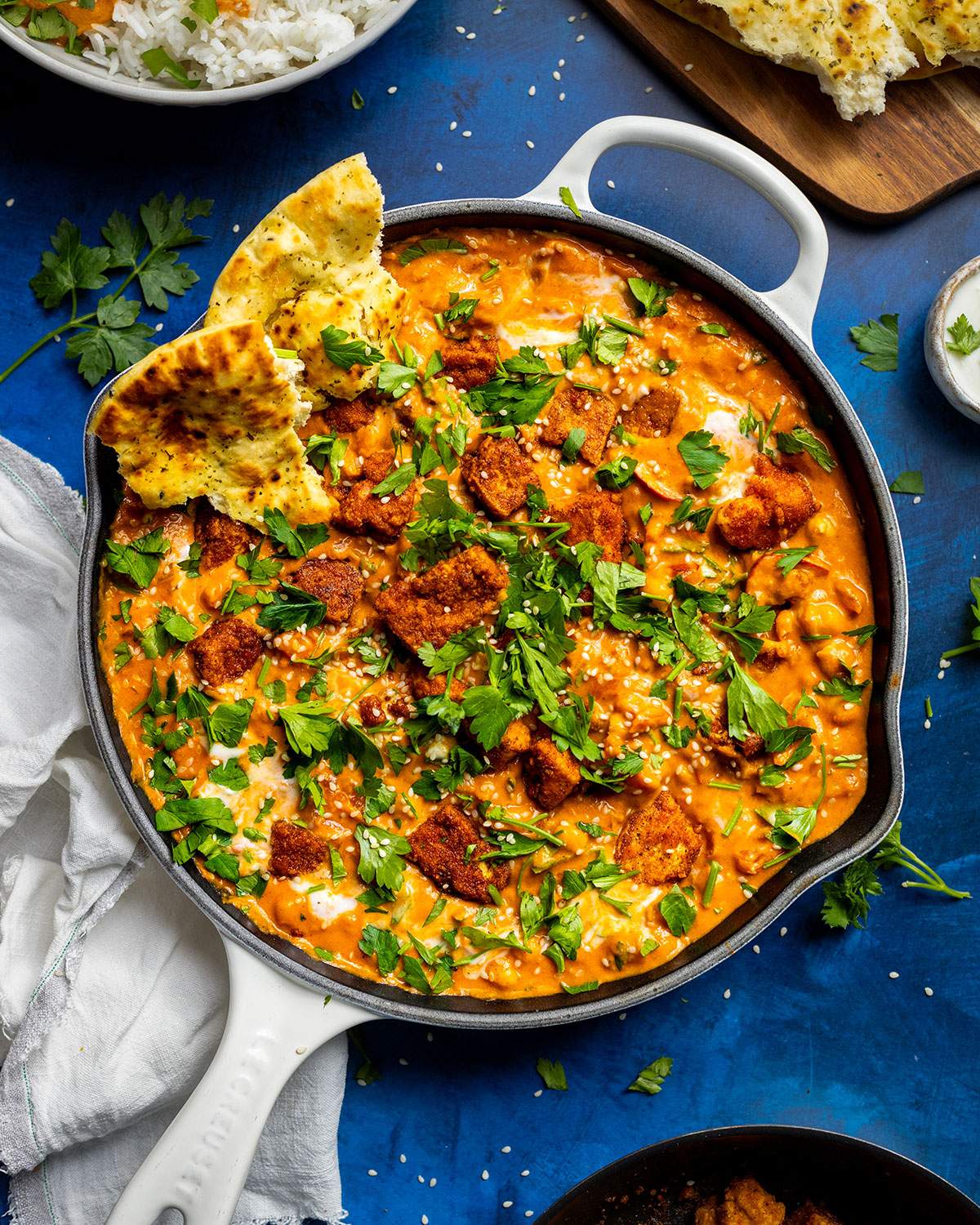
Vegan butter chickpea curry
For a chickpea-based dinner, my vegan butter chickpea curry is rich, creamy and great with rice or naan.
Vegan gyros
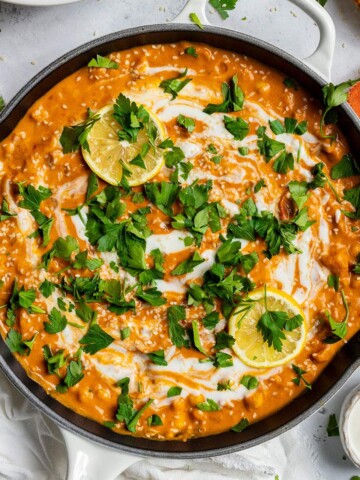
Seitan is one of the highest-protein vegan foods, and these vegan gyros are a fun way to use it in a wrap-style meal.
Black bean meatballs
For a bean-based dinner idea, try these black bean meatballs with pasta, grains or salad.
Snack Ideas
Edamame with salt or chili
Frozen edamame is one of the easiest high-protein vegan snacks. Cook it, season it and snack away.
Roasted chickpeas
Roast chickpeas with smoked paprika, garlic powder and salt until crisp. They’re great on their own or scattered over salads and bowls.
Hummus with crackers or vegetables
Hummus adds protein from chickpeas and tahini, and it’s easy to keep in the fridge for quick snacks.
Peanut butter on toast
Not the highest-protein option on its own, but still useful - especially if you use whole-grain bread and add chia or hemp seeds on top.
Homemade protein bars
Use dates, oats, seeds, nut butter and vegan protein powder to make quick no-bake bars for the fridge.
Snickers protein balls
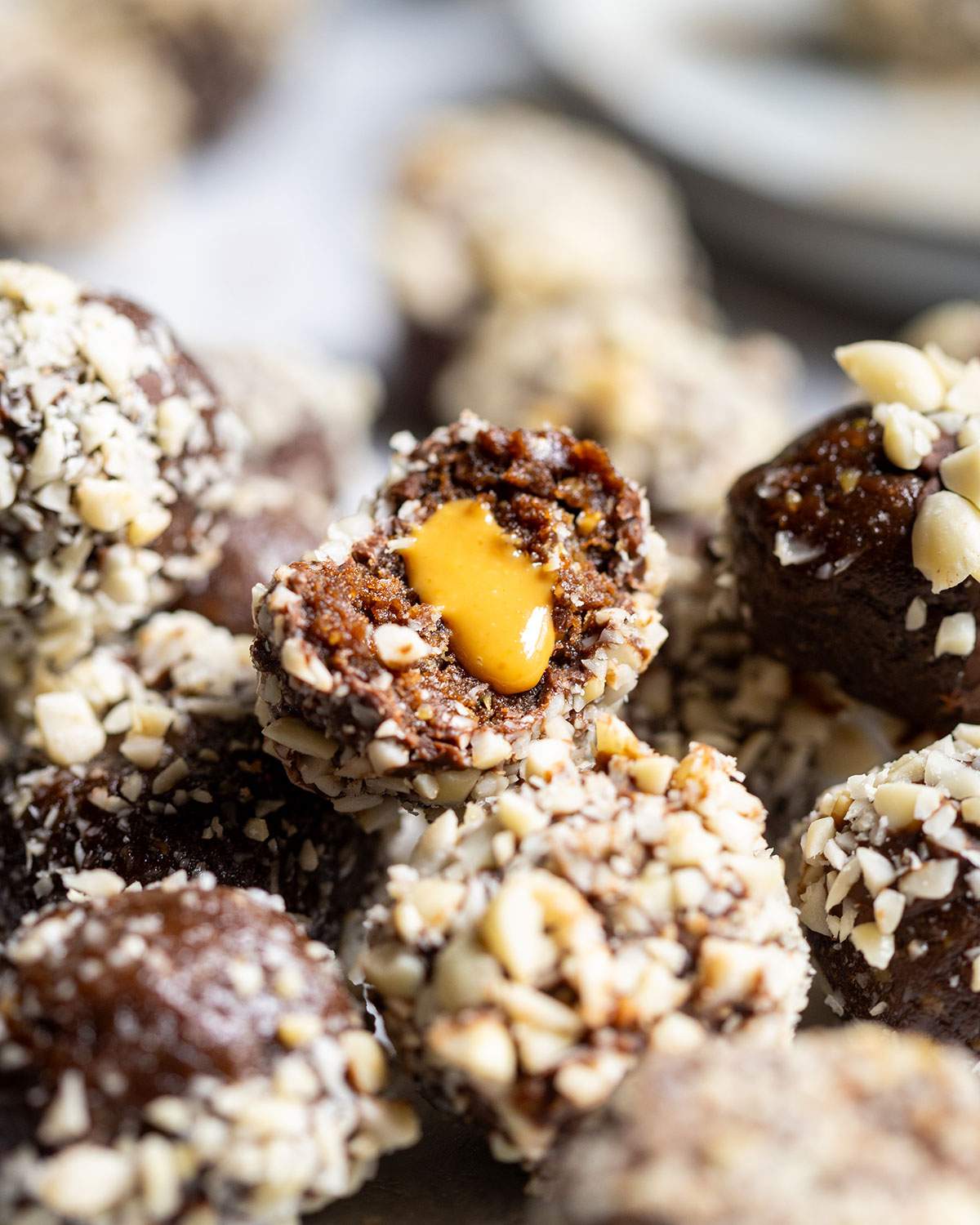
These Snickers protein balls are great for a sweet snack made with protein-friendly ingredients.
Chocolate protein cookies
For a baked snack, try my chocolate protein cookies.
Frozen yogurt protein bars
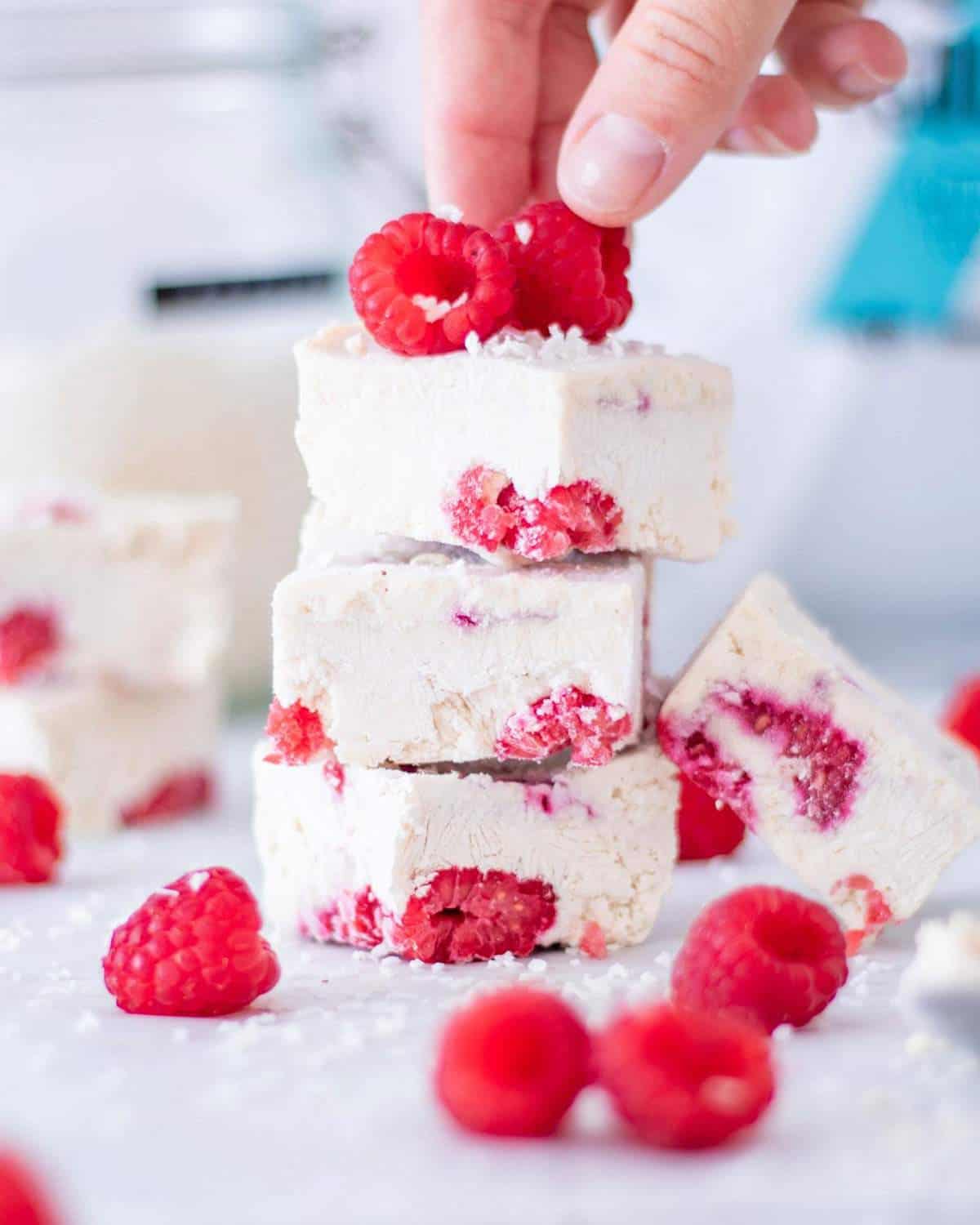
These frozen yogurt protein bars are handy to keep in the freezer for a quick snack.
Peanut butter fudge
If you want a peanut-butter-based treat, try my peanut butter fudge.
❓ Frequently Asked Questions
Some of the best vegan protein sources include tofu, tempeh, seitan, lentils, chickpeas, black beans, kidney beans, edamame, hemp seeds, pumpkin seeds, soya milk and vegan protein powder.
The best choice depends on what you’re making. For a main meal, tofu, tempeh, seitan, lentils and beans are usually the easiest options. For smaller boosts, seeds, nutritional yeast and soya milk are really handy.
Seitan is one of the highest-protein vegan foods, with around 25g protein per 100g. Tempeh, firm tofu, edamame, lentils, beans, hemp seeds and vegan protein powder are also strong options.
Protein powder is usually the most concentrated, but whole foods like tofu, tempeh, lentils and beans also bring texture, fibre and other nutrients to meals.
Yes, you can get protein from regular vegan foods without using protein powder.
Foods like tofu, tempeh, seitan, lentils, beans, chickpeas, edamame, seeds, nuts and soya milk can all contribute protein across the day.
Protein powder can be convenient, especially for smoothies, oats or snack bars, but it isn’t essential for everyone.
Yes, tofu is a great vegan protein source.
Firm tofu can contain around 17g protein per 100g, depending on the brand, and it works in so many different meals - curries, stir-fries, scrambles, bowls, sandwiches and air fryer recipes.
It also absorbs flavour really well, so it’s a good blank canvas for marinades, spices and sauces.
Peanut butter contains protein, but I wouldn’t rely on it as your main protein source.
Two tablespoons contain around 7g protein, which is useful, but peanut butter is also rich and energy-dense. It’s best used as one protein-supporting ingredient alongside other foods like oats, soya milk, seeds, tofu, lentils or beans.
Basically: peanut butter is great, but it’s not a magical protein brick. Sadly.
Easy high-protein vegan snacks include edamame, roasted chickpeas, hummus with crackers or veg, soy yoghurt with seeds, peanut butter on toast, protein smoothies, trail mix with pumpkin seeds and homemade vegan protein bars.
For something really quick, I’d go for frozen edamame, hummus, or a smoothie with soya milk and protein powder.
Yes, beans and lentils are excellent everyday vegan protein sources.
Cooked lentils contain around 9g protein per ½ cup, while a cup of cooked black beans or kidney beans contains around 15g. Chickpeas are also useful, with around 14-15g protein per cooked cup.
They’re also affordable, easy to keep in the cupboard and work in loads of meals.
Tofu, tempeh, seitan, lentils, chickpeas, black beans and kidney beans are all great for meal prep.
You can cook them into curries, chilli, pasta sauces, grain bowls, soups, stews and traybakes. Edamame, seeds and nutritional yeast are also handy for adding protein quickly when you’re assembling meals later.
✨ More Vegan Protein Recipes
If you are looking to find out more about vegan protein sources, then consider reading this article by Healthline.
© 2026 Romy London / Romina Callwitz | All images, videos, wordings and content are copyright protected and belong to Romina Callwitz. Please do not use any of my content without prior permission. If you wish to re-publish any (part of my) content, please get in touch via email. Thanks for your support!
*Disclosure: This page may contain affiliate links and sponsored links that earn me a small commission, at no additional cost to you. You can find more information in my Privacy Policy.
Anna Claire says
Such an informative post, thanks so much!
Anja says
Thank you!!!!
The chart is on my fridge now
romylondonuk says
Glad you're finding it helpful!