


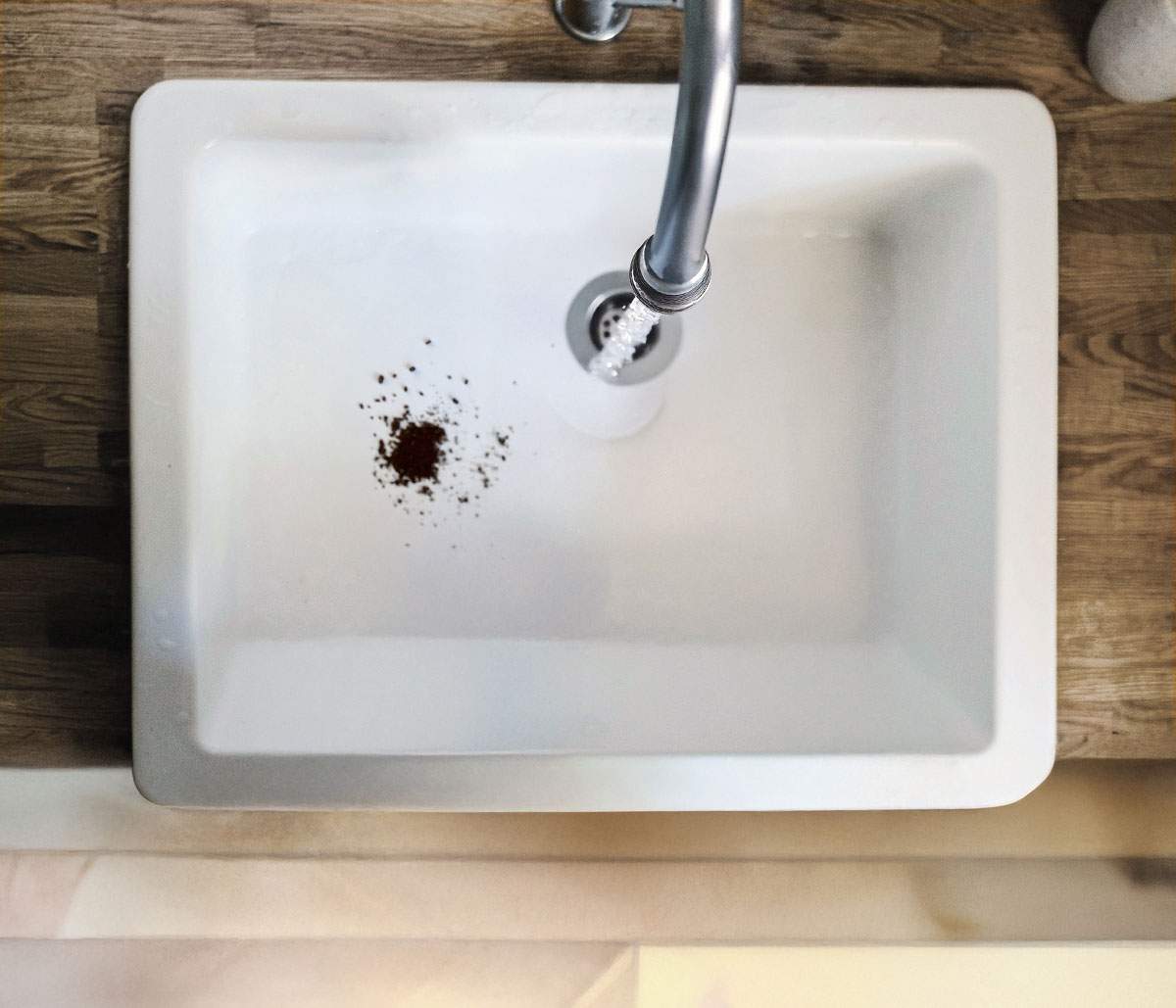
If you’ve ever rinsed out a French press, emptied a moka pot, or washed a reusable coffee filter, you’ve probably wondered the same thing: can coffee grounds go down the sink?
It feels harmless - they’re small, soft, and natural… so surely they just wash away, right?
Unfortunately, coffee grounds are one of the most common causes of kitchen drain clogs, especially when they build up over time.
In this post, I’ll explain what actually happens inside your plumbing system, whether coffee grounds are safe for garbage disposals, and what to do instead (including some easy cleaning tips if you’ve already sent a few down there).
Quick Answer: Can Coffee Grounds Go Down the Sink?
No - coffee grounds should not go down the sink.
Even though they look fine when rinsed away with water, they can collect inside your drain pipes, stick to grease/oils and food waste, and eventually form a thick sludge that causes a clogged drain.
Think of coffee grounds less like “dirt” and more like wet sand - they don’t dissolve. They settle.
Jump to:
- Quick Answer: Can Coffee Grounds Go Down the Sink?
- 🚫 Why Coffee Grounds Are Bad for Your Sink Drain
- 🚰 Can Coffee Grounds Go Down the Sink With Hot Water?
- 🗑️ Can Coffee Grounds Go Down the Garbage Disposal?
- 🤔 What Happens If You Accidentally Put Coffee Grounds Down the Sink?
- ⚠️ Signs Coffee Grounds Are Clogging Your Drain
- 🧼 How to Get Coffee Grounds Out of a Sink Drain (DIY Fixes)
- ❌ What NOT to Do (Common Mistakes)
- ♻️ So… How Should You Dispose of Coffee Grounds?
- ✅ How to Prevent Coffee Grounds From Going Down the Sink (Easy Habit Fix)
- ❓ Frequently Asked Questions
- 🔜 Coffee Recipes For You to Try
🚫 Why Coffee Grounds Are Bad for Your Sink Drain
Coffee grounds cause problems because of a few things happening at once:
1) They don’t dissolve
Coffee grounds are organic materials, but they don’t break down quickly in water. Instead, they sink, collect, and compact.
2) They clump and form a paste
Wet grounds tend to clump together - and once they start building up in a kitchen drain, they can create a dense layer that traps other debris.
3) They bind with grease, oil, and food scraps
This is where it gets nasty. Coffee grounds mix easily with:
- cooking oil
- grease
- butter/fats
- bits of food scraps
That combo becomes a sticky blockage inside the drainage system - and it smells bad, too.
4) They lead to slow drains and full clogs
It often starts as:
- water draining slowly
- gurgling sounds
- bad odor or strong smells
…and eventually turns into a complete drain clog.
🚰 Can Coffee Grounds Go Down the Sink With Hot Water?
This is one of the most common myths and considered an old wives' tale.
Hot water does not fix the coffee grounds issue.
Hot water might help flush some loose particles in the moment, but it won’t prevent coffee grounds from settling - especially if your drain already has buildup from soap, food waste, grease, or old residue.
🗑️ Can Coffee Grounds Go Down the Garbage Disposal?
Short version: still no.
Even though garbage disposals can grind food, coffee grounds are tricky because they create a thick, heavy paste that can:
- settle in the disposal unit
- collect inside drain pipes after the disposal
- create a dense layer that leads to clogs
Even experienced plumbing professionals who don’t fully agree on “what you can put down a disposal” tend to agree on this one:
✅ coffee grounds are not a good idea for garbage disposals.
Also worth mentioning: coffee grounds aren’t the only disposal enemies.
Other kitchen waste that commonly cause issues include:
- egg shells
- rice / pasta
- flour
- potato peels
- fibrous vegetables
- grease/oil
- paper towels
- dairy products
- banana peels
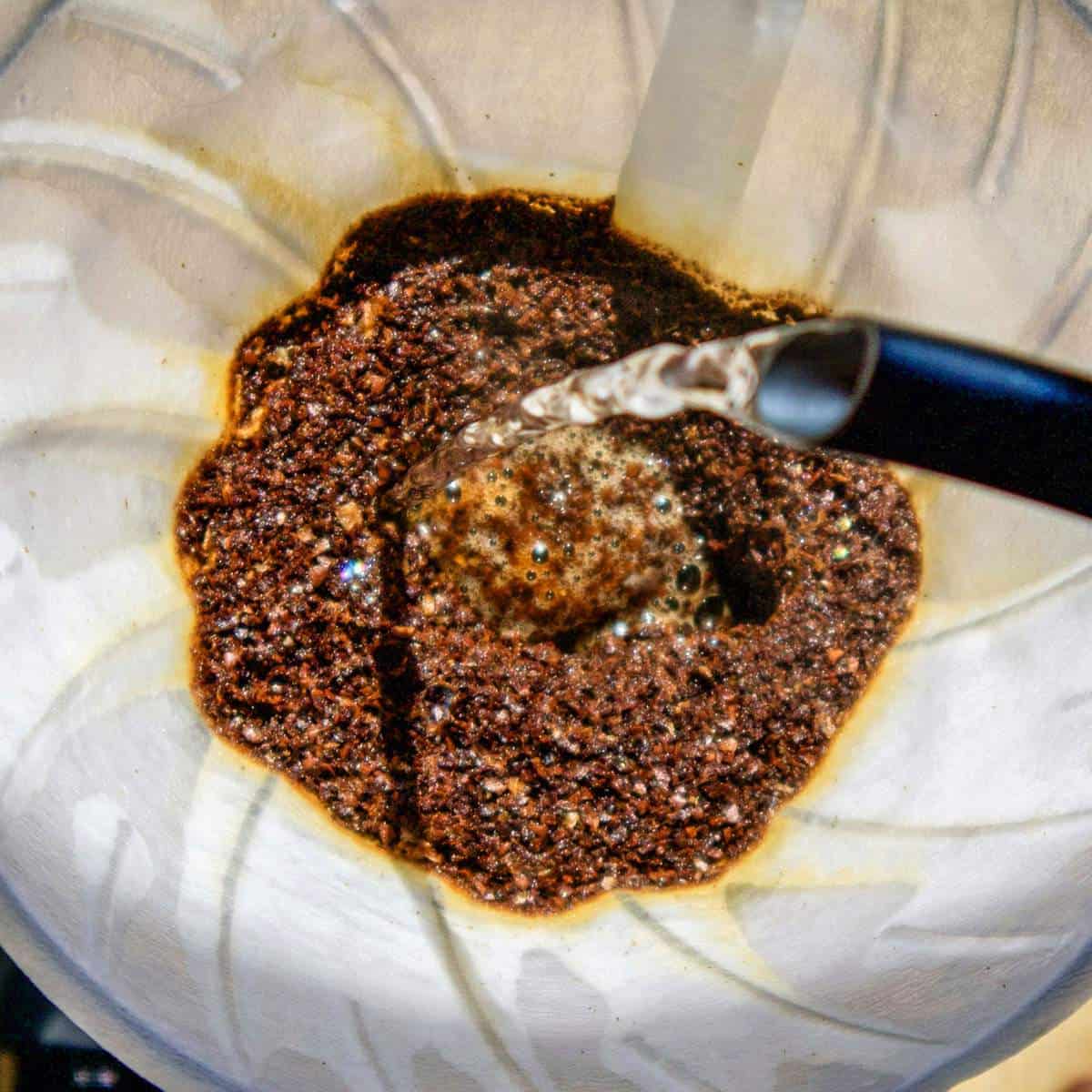
🤔 What Happens If You Accidentally Put Coffee Grounds Down the Sink?
If it happened once or twice, don’t panic. It doesn’t automatically mean you’ve ruined your kitchen drain.
But if you’ve been doing it regularly (or you rinse grounds down daily), it’s worth taking a few preventative steps now before it turns into a full plumbing problem.
⚠️ Signs Coffee Grounds Are Clogging Your Drain
Here are the most common symptoms:
- Slow draining sink
- Gurgling or bubbling noises
- Water backing up
- Bad smell coming from the drain
- Coffee grounds visible in the sink after draining
If you’re noticing more than one of these, chances are the problem is already building up in the drain pipes.
🧼 How to Get Coffee Grounds Out of a Sink Drain (DIY Fixes)
1) Try boiling water (only as a first step)
Boiling water alone usually won’t fix a real clog, but it can help loosen mild buildup before you try other methods.
Pour slowly in stages:
- ⅓ kettle
- wait 30 seconds
- repeat
2) Baking soda + vinegar (best for odor + mild buildup)
This is great for small buildup and smells - not for severe clogs.
Method:
- Pour ½ cup baking soda into the drain
- Pour 1 cup vinegar
- Let it fizz for 10-15 minutes
- Flush with hot water
This is especially good if coffee grounds have mixed with soap residue.
3) Use a plunger
A basic sink plunger can be surprisingly effective, especially if the clog is close to the top.
Tip: cover the overflow hole if your sink has one, or the suction won’t work well.
4) Check the P-trap
If you’re comfortable doing it:
- place a bowl under the P-trap
- unscrew gently
- clean out any sludge or coffee-ground paste
5) Use a drain snake
If the clog is deeper in the plumbing system, a drain snake is often the simplest DIY tool if you don't have professional tools to hand.
If none of these work (or you see water backing up), it’s time to call a professional plumber.
❌ What NOT to Do (Common Mistakes)
If you’re dealing with a clogged drain, avoid these common mistakes:
- chemical drain cleaners (harsh on pipes and not always effective)
- rinsing more food scraps down “to push it through”
- pouring grease/oil down the sink (ever)
Coffee grounds + grease is basically clog fuel.
♻️ So… How Should You Dispose of Coffee Grounds?
Good news: coffee grounds are easy to deal with properly.
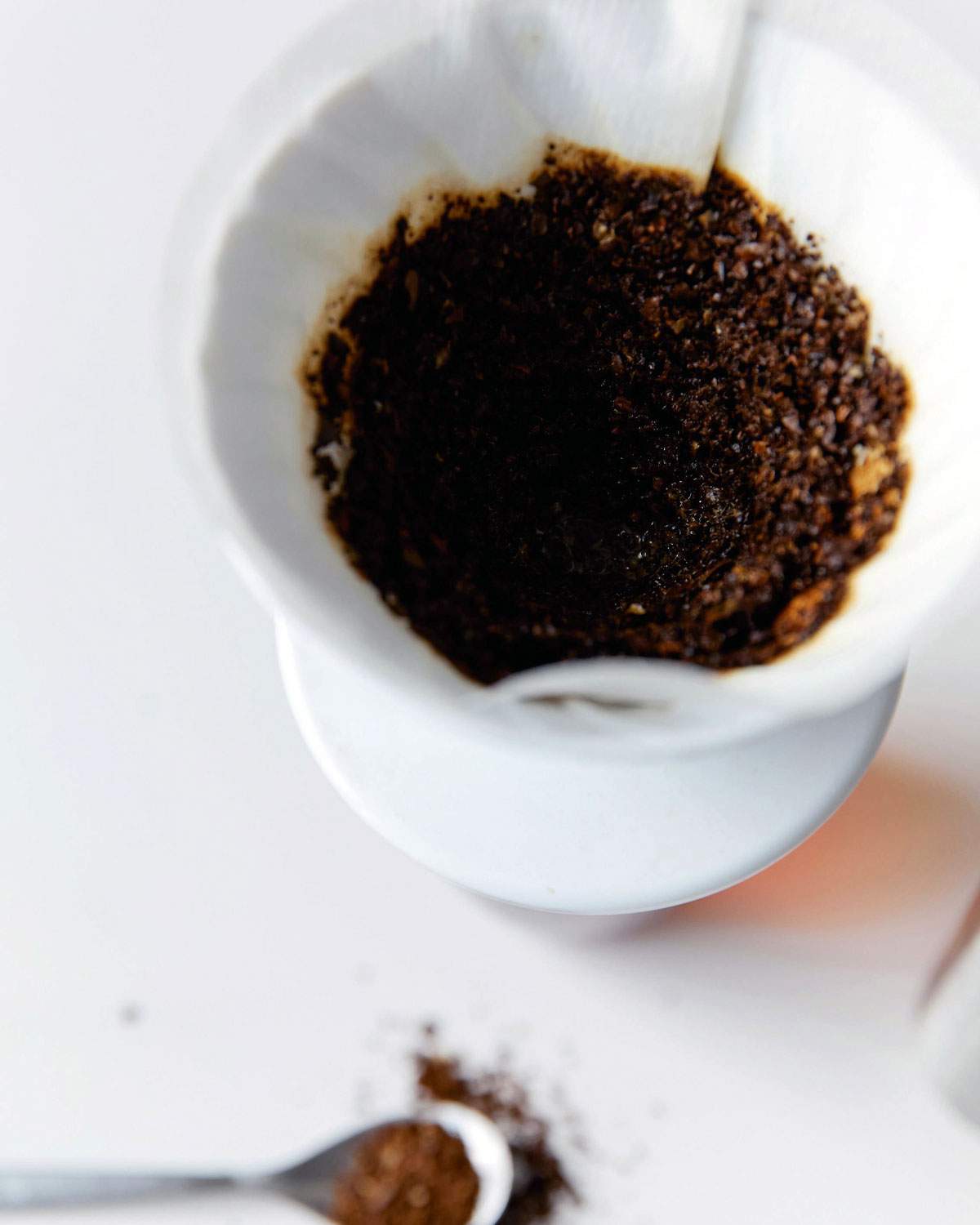
Best options:
✅ Compost Bin
Coffee grounds are a fantastic compost ingredient.
✅ Food waste bin / trash
Let them cool/dry slightly if you want less mess.
✅ Use them in the garden
Coffee grounds can be used as a soil amendment or as a natural fertilizer in small amounts (depending on plant type).
✅ DIY household uses
There are a few practical uses for leftover coffee grounds:
- a natural scrub (hands, pans - careful with scratching)
- deodorizer (fridge/freezer)
- pest deterrent (depending on situation)
✅ How to Prevent Coffee Grounds From Going Down the Sink (Easy Habit Fix)
Here are the easiest ways to stop this becoming a problem:
- Use a sink strainer
- Tap grounds into a compost container
- Wipe the coffee filter / French press out with a paper towel before rinsing
- Keep a small “grounds jar” near the coffee station
Honestly, even one tiny habit change makes a big difference.
❓ Frequently Asked Questions
No - extra water may move some grounds temporarily, but they still settle and build up in drain pipes over time.
Not recommended. Coffee grounds can clump, collect, and contribute to serious clogs even if you use a garbage disposal.
Composting is best (if you compost). Otherwise, toss them into your food waste bin or trash - anything is better than washing them down the sink.
🔜 Coffee Recipes For You to Try




© 2026 Romy London / Romina Callwitz | All images, videos, wordings and content are copyright protected and belong to Romina Callwitz. Please do not use any of my content without prior permission. If you wish to re-publish any (part of my) content, please get in touch via email. Thanks for your support!
*Disclosure: This page may contain affiliate links and sponsored links that earn me a small commission, at no additional cost to you. You can find more information in my Privacy Policy.
💭 Leave a Comment