


Got a piece of ginger in the fridge and suddenly thought, wait... is this still okay? The quickest way to tell is to check its texture, smell, surface and color inside. If it's soft or slimy, has visible fuzzy mold, smells off or looks unusually dark inside, it's time to throw it away.
Wrinkled ginger is a little different: if it's still firm and smells normal, it may simply be old and dried out rather than spoiled.
Below, I'll show you exactly what each sign looks like, whether mold can be cut away, how long ginger lasts and how to store it so it stays fresh for longer.
Jump to:
- 🔎 Fresh vs Old vs Bad Ginger: Quick Comparison
- Does Ginger Go Bad?
- 🚫 4 Sure Signs Ginger Has Gone Bad
- 👀 What Should Ginger Look Like Inside?
- 🌱 Signs Ginger Is Old But May Still Be Good
- Can You Eat Sprouted Ginger?
- Mold on Ginger: Can You Cut It Off?
- 🤢 What Happens If You Eat Bad Ginger?
- ⏰ How Long Does Ginger Last?
- 🧊 How to Store Ginger So It Lasts Longer
- 🔍 What About Ground, Pickled and Juiced Ginger?
- ❓ Frequently Asked Questions
- 👨🍳 What to Cook with Leftover ginger
🔎 Fresh vs Old vs Bad Ginger: Quick Comparison
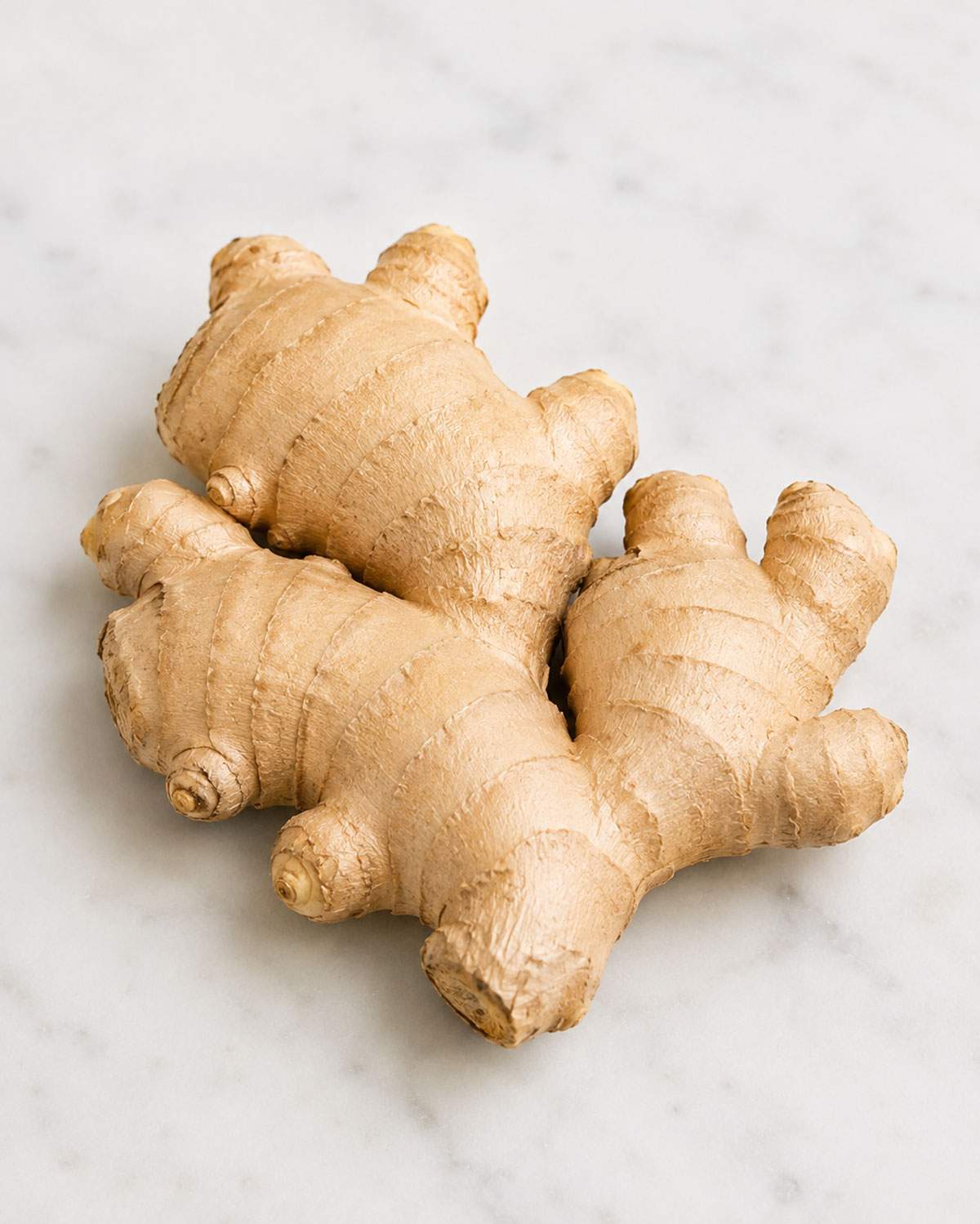
FRESH
Plump • firm • smooth skin
✅ Good to use
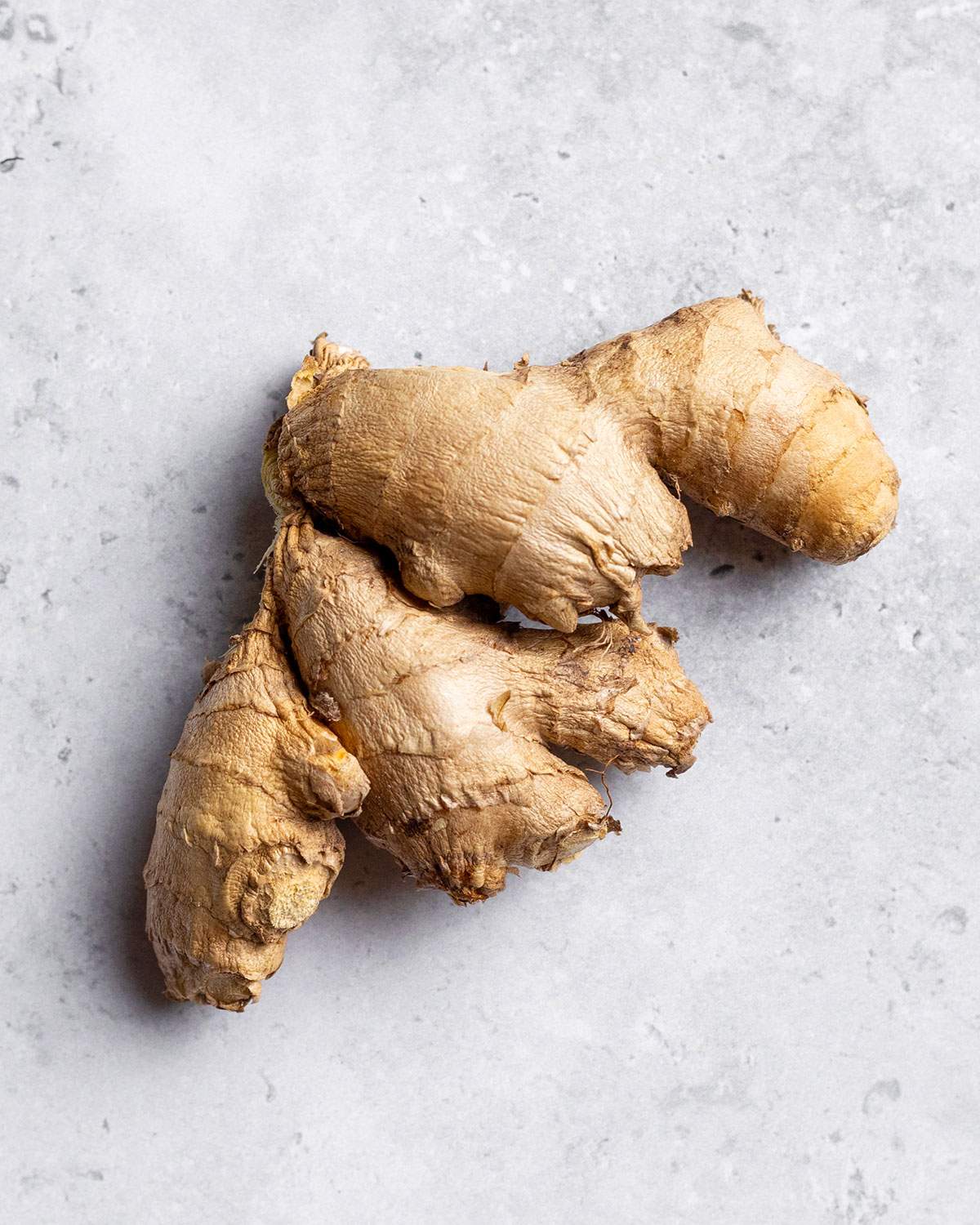
OLD BUT STILL USABLE
Wrinkled • drier • still firm
✅ Usually fine to use
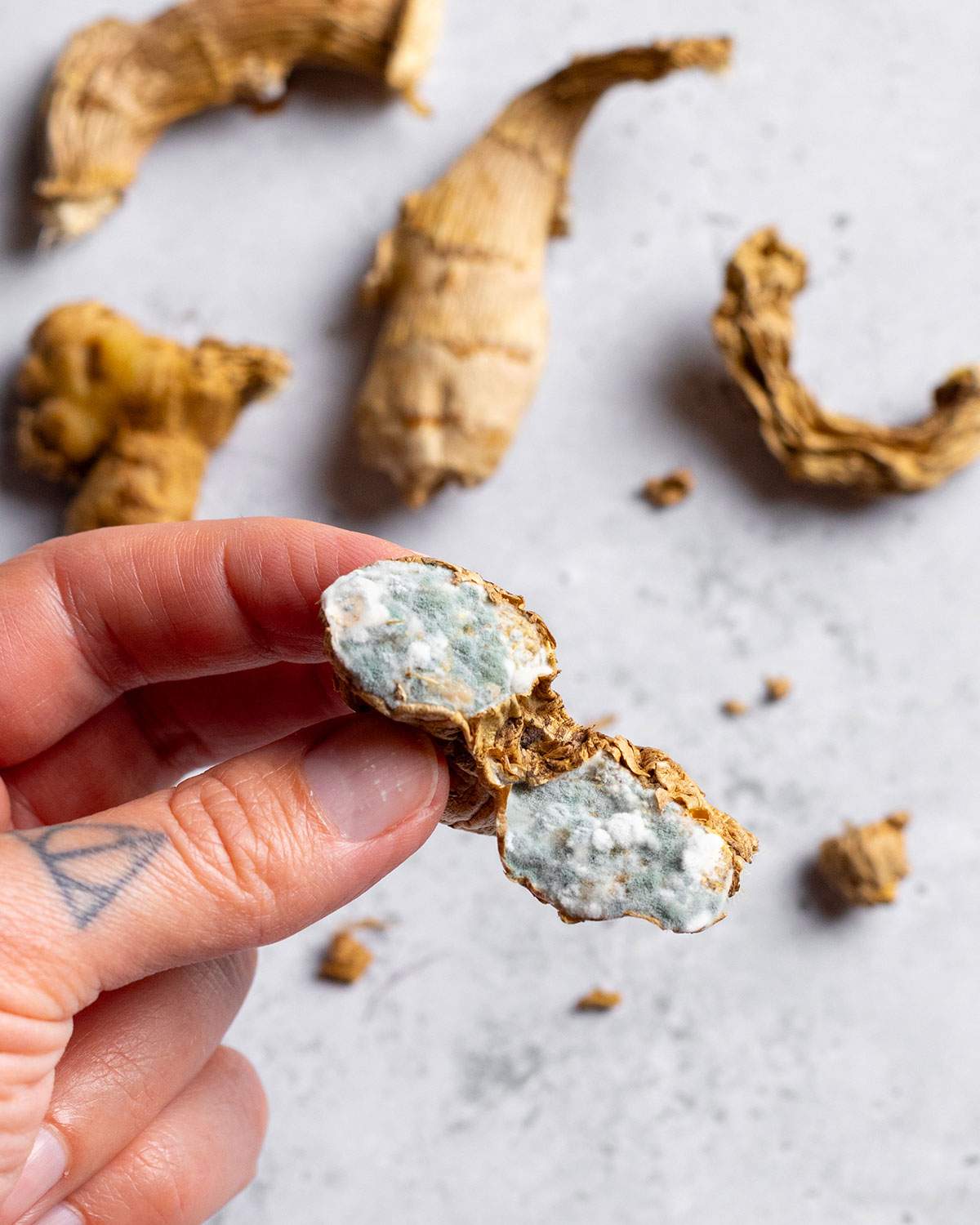
BAD / SPOILED
Moldy • soft • slimy/rotten
❌ Discard
Use this table for a closer check:
| Condition | Outside | Inside | Texture | Smell | Use it? |
|---|---|---|---|---|---|
| Fresh | Plump, smooth or slightly textured | Pale yellow/golden | Firm | Strong, fresh and spicy | ✅ Yes |
| Old but usable | Wrinkled or slightly shriveled | Drier, sometimes more fibrous | Still firm, perhaps a little dry | Normal but weaker | ✅ Usually |
| Spoiled | Mold, wet/dark patches | Rotten-looking or mushy areas | Soft, mushy or slimy | Sour, musty or unpleasant | ❌ No |
Does Ginger Go Bad?
Yes, fresh ginger can go bad. The main things to check are its texture, smell, surface and color inside. Soft or slimy ginger, visible mold and an unpleasant smell are the clearest warning signs.
Wrinkled ginger may simply be old and dried out rather than spoiled, so check it for other signs before throwing it away.

Hi, I'm Romy 👋
I'm a vegan recipe developer & food photographer. I test recipes weekly and share what actually works (and what doesn't).
🚫 4 Sure Signs Ginger Has Gone Bad
The easiest way to tell if ginger has gone bad is to check its texture, surface, smell and color inside.
Fresh ginger should feel firm and have a strong, fresh, spicy aroma. If it has turned soft or slimy, developed visible mold or smells noticeably off, it's best to throw it away.
One thing to keep in mind: old ginger isn't always bad ginger.
A wrinkled or slightly dried-out piece may still be perfectly usable, so it helps to look at the signs together rather than judging it by appearance alone.
1. It Feels Soft or Slimy
Fresh ginger should feel firm when you press it. As it gets older, it can lose moisture and become slightly less firm, but it shouldn't feel mushy, wet or slippery.
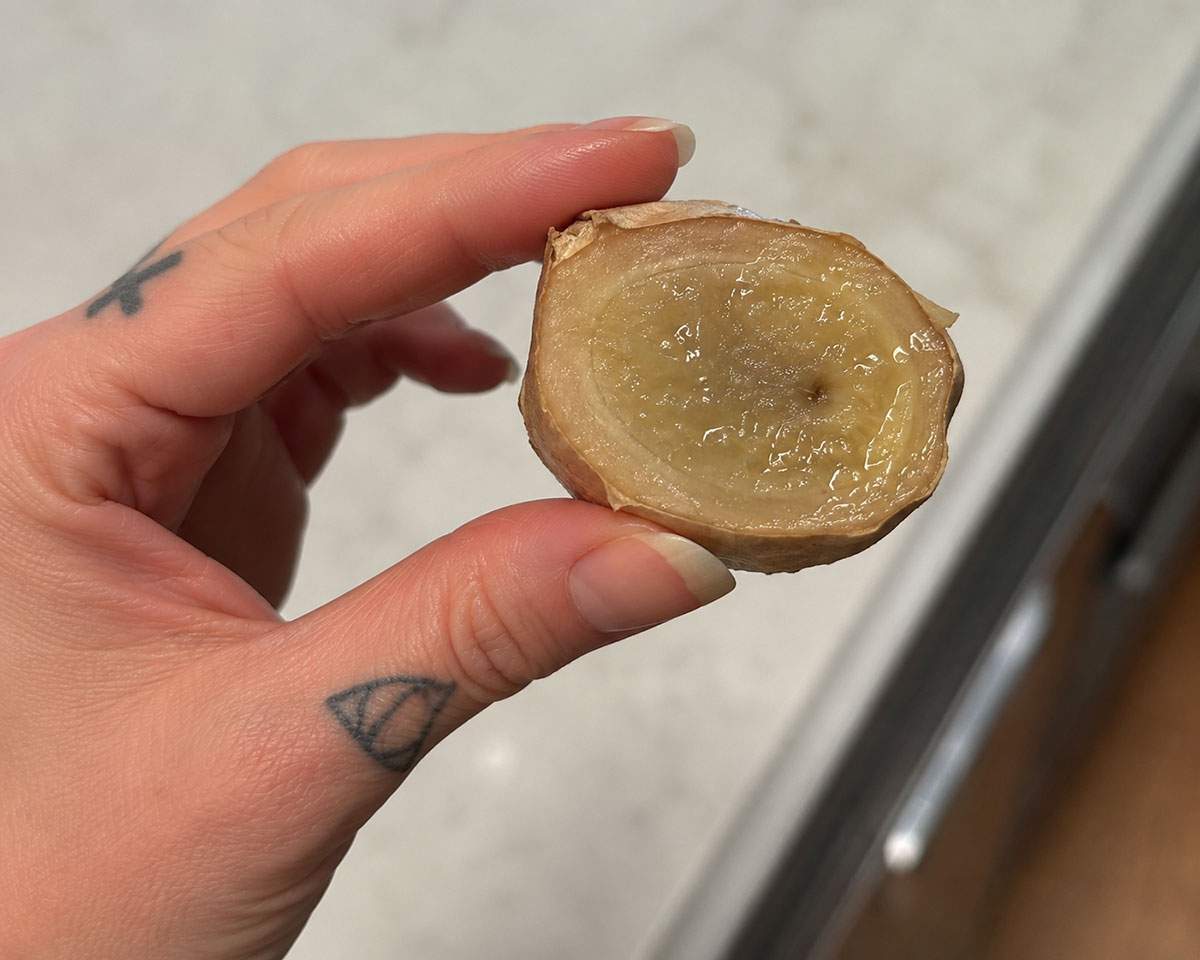
If the ginger has become very soft, squishy or slimy, it's a strong sign that it has spoiled and should be thrown away.
A dry, slightly shrivelled piece is different. It may simply have lost moisture and could still be usable if it smells normal and shows no other signs of spoilage.
2. There Is Mold on the Ginger
Visible mold is one of the clearest signs that ginger has gone bad.
Check the surface carefully, especially around:
- cut ends
- damaged areas
- creases and crevices in the root
Mold may appear as fuzzy or powdery patches and can vary in color.
If you spot visible mold, particularly on ginger that also feels soft or damp, I'd discard the piece rather than try to use it. You can read more about whether moldy ginger can be salvaged in the section below.
3. It Smells Off
Fresh ginger has a strong, spicy, slightly citrusy smell. Even older ginger should still smell recognisably like ginger when you cut into it.
If it smells sour, musty or simply unpleasant, that's a good reason not to use it.
A weaker smell on its own doesn't necessarily mean the ginger has spoiled - it may simply be old and starting to dry out. But a unpleasant smell combined with softness, moisture or visible mold is a clear warning sign.
4. The Inside Looks Unusually Dark or Discolored
When you're unsure about a piece of ginger, cut into it and have a look at the flesh.
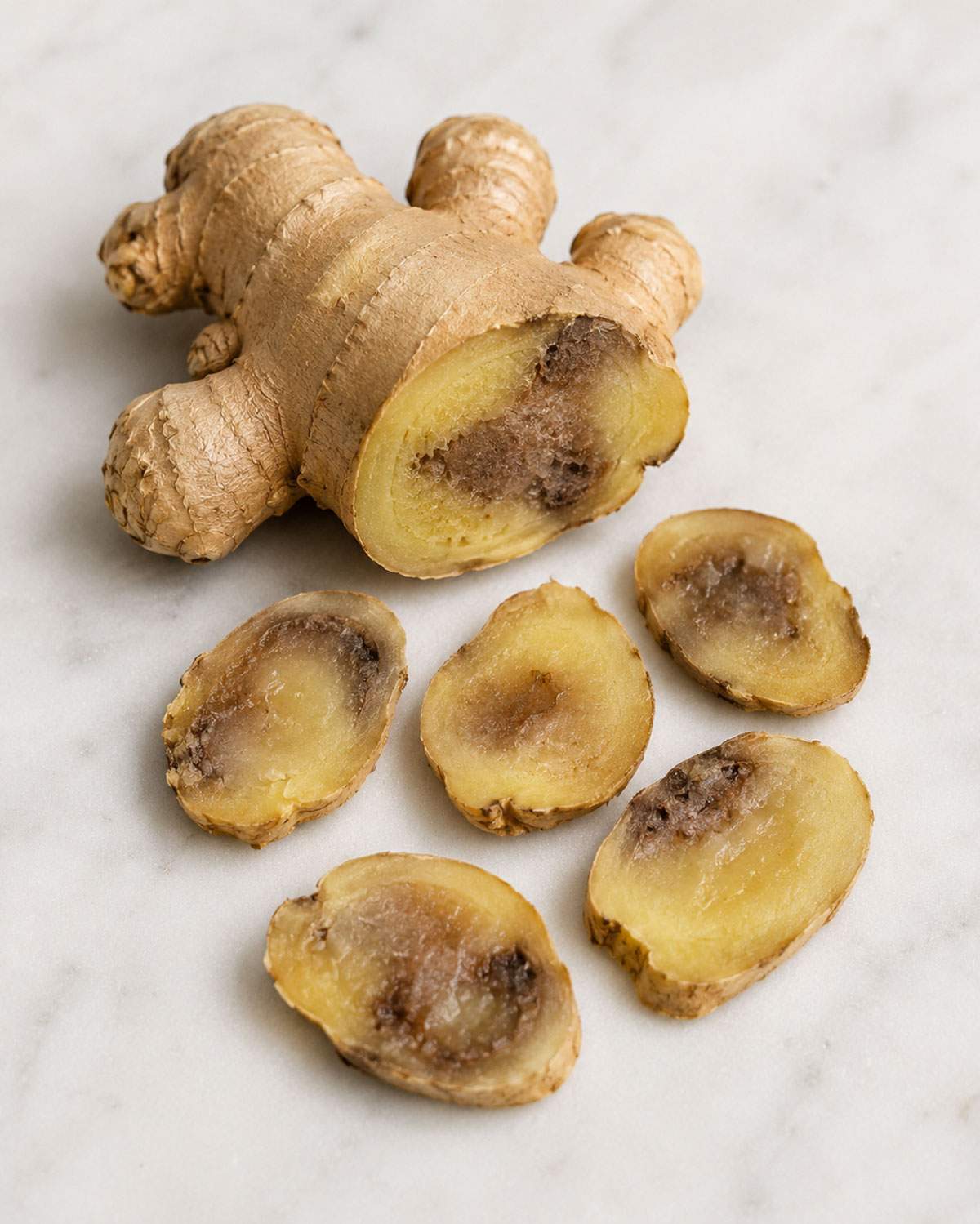
Fresh ginger should look moist and fairly even inside. Some natural color variation is normal, so color alone isn't always enough to tell you whether ginger has gone bad.
However, if the inside has unusual dark, brown or grey areas, especially alongside an off smell, mushy texture or excess moisture, I would throw it away.
If your ginger has spoiled: Add it to your household food-waste or compost collection if accepted locally; otherwise, discard it with your household waste. Don't taste-test visibly moldy ginger.
👀 What Should Ginger Look Like Inside?
When you cut into fresh ginger, the flesh is usually pale yellow to golden, firm and slightly juicy, with a strong, spicy ginger aroma. However, not every variation in color or texture means the ginger has spoiled.
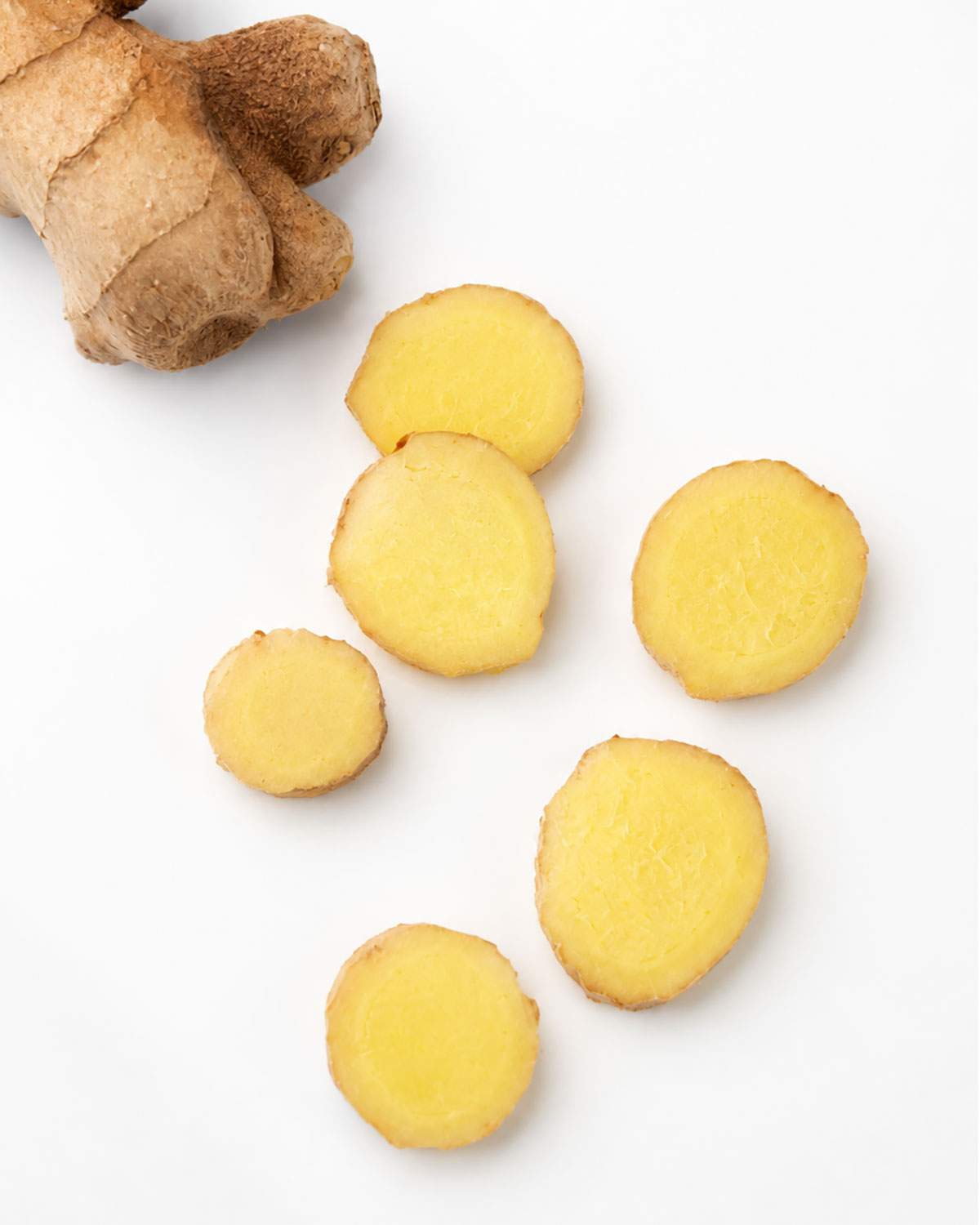
Here's what you might find:
- Pale yellow or golden flesh: This is the typical appearance of fresh ginger. It should feel firm rather than mushy and smell strongly of ginger.
- Blue or green-tinged flesh: This can occur naturally and doesn't automatically indicate spoilage. If the ginger is otherwise firm and smells normal, it is generally safe to use.
- Dry, fibrous or slightly woody flesh: This usually means the ginger is getting older and has lost some moisture. It may be harder to grate and less aromatic, but it can still be usable if there are no other signs of spoilage.
- Brown, gray or very dark areas: Look at these more carefully. A little drying or discoloration isn't necessarily a problem, but wet, mushy or rotten-looking dark patches, particularly alongside an unpleasant smell, are a reason to discard the ginger.
- Visible mold: Fuzzy white, green, blue or black growth on or inside the ginger is mold rather than natural pigmentation and should be treated differently.
The easiest test is to combine appearance with texture and smell: good ginger should still feel reasonably firm and smell recognizably fresh and spicy. Don't judge it by color alone.
🌱 Signs Ginger Is Old But May Still Be Good
Fresh ginger doesn’t have to look perfectly smooth and plump to still be usable. As it ages, ginger naturally loses moisture, so you may notice changes in its appearance, texture and flavor before it actually spoils.
Wrinkled or shriveled skin
A wrinkled peel usually means the ginger has started to dry out. If the root still feels firm underneath, smells fresh and shows no mold or sliminess, it can usually still be used. You may simply need to peel away any particularly dry areas.
Lightly wrinkled ginger that's still good to use.
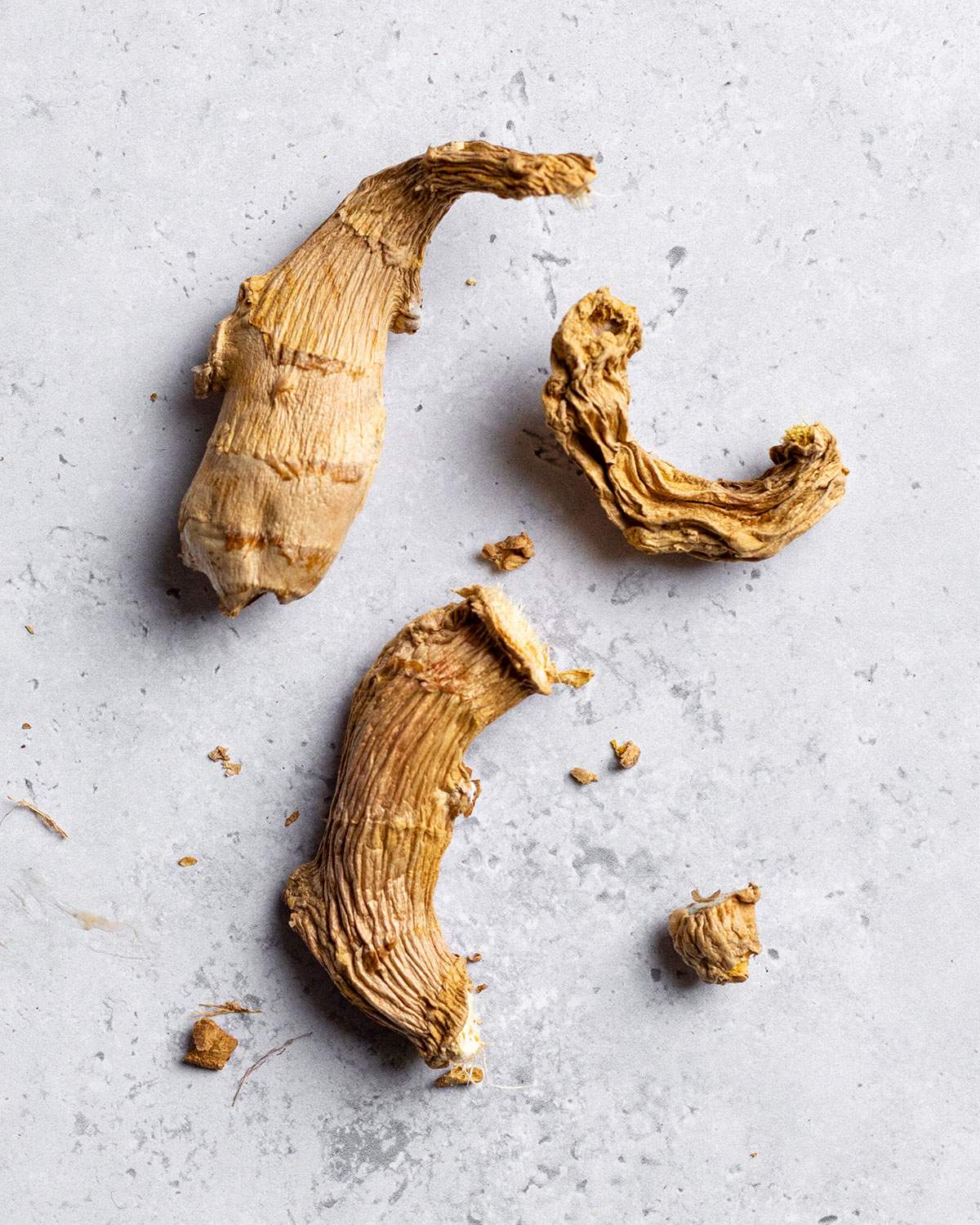
Wrinkled ginger that has gone off and should be discarded.
However, if the wrinkling comes with softness, damp patches, mold or an unpleasant smell, it's time to throw it away.
I photographed several pieces of ginger at different stages for this guide. One thing that surprised me was how wrinkled ginger could become while remaining completely firm underneath.
Dry or slightly woody flesh
Older ginger can become drier and more fibrous inside. This affects the texture and can make it harder to grate, but it doesn’t necessarily mean the ginger has spoiled.
A weaker ginger aroma
Fresh ginger has a strong, spicy smell when cut. That aroma can become less pronounced as the ginger ages. As long as it still smells like ginger rather than sour, musty or otherwise unpleasant, a milder smell is generally a sign of declining quality rather than spoilage.
Can You Eat Sprouted Ginger?
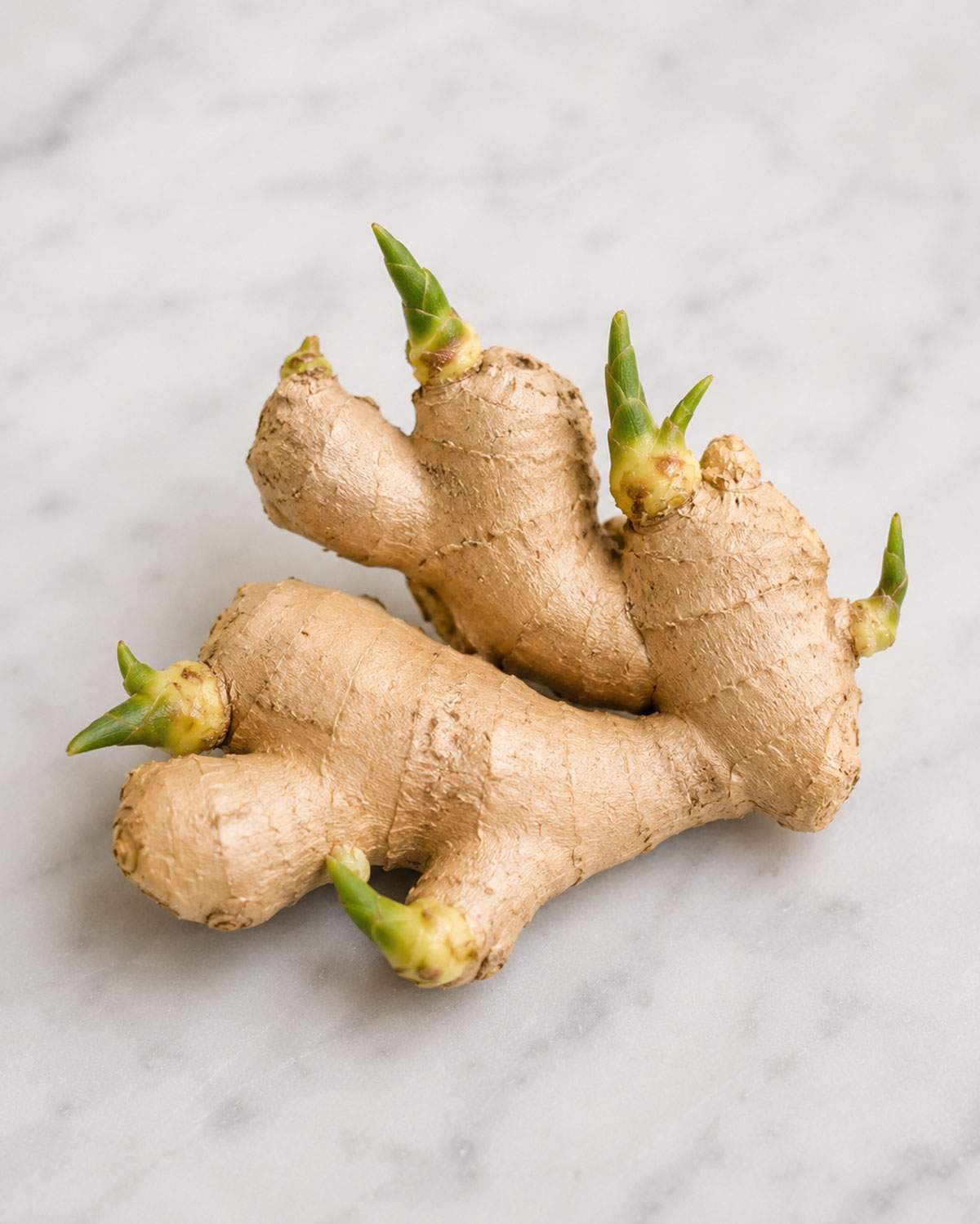
Yes. Ginger that has started sprouting can still be eaten, provided the rhizome itself is firm and shows no signs of mold, rot or an unpleasant smell.
Ginger is a rhizome, and the small shoots simply grow from its natural growing points. In fact, ginger intended for planting is deliberately encouraged to sprout, and edible ginger rhizomes can be used for planting or cooking.
If your ginger has only produced a small shoot, you can cut off the sprouted section if you prefer and use the remaining ginger as normal. Older sprouted ginger may be a little drier, more fibrous or less strongly flavored than very fresh ginger, but those are quality changes rather than signs of spoilage.
However, don't assume that sprouting makes an otherwise spoiled piece of ginger safe. If the root has also become mushy, slimy, moldy or unpleasant-smelling, it should be discarded.
You can also plant sprouted ginger instead of cooking with it - those little shoots are essentially the ginger announcing that it has other career plans.
Mold on Ginger: Can You Cut It Off?
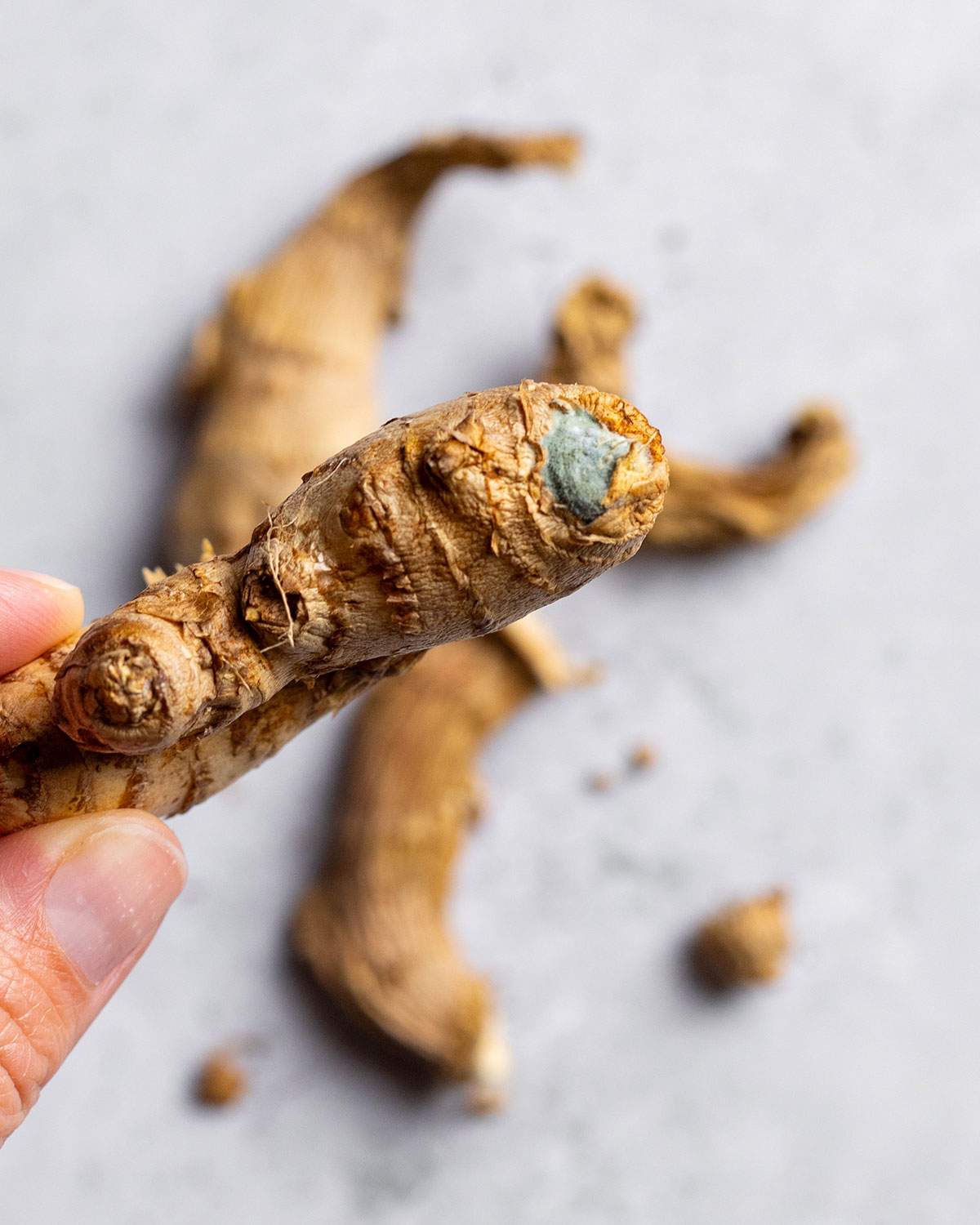
If you can find mold on a piece of ginger, don't just shave off the visible patch and carry on using the rest.
I also wouldn't recommend simply rinsing the mold off or removing a very thin layer from the surface. If you're unsure, check the whole piece for the other signs of spoilage above.
I would throw the whole piece away if:
- there are multiple moldy areas
- the ginger also feels soft, wet or slimy
- it smells sour, musty or otherwise off
- the mold is spreading through a cut or damaged area.
Mold combined with softness, excess moisture or an unpleasant smell means the ginger should be discarded.
For one very small, isolated spot on an otherwise firm piece of ginger, general USDA guidance of firm vegetables suggests cutting at least 2.5cm (1 inch) around and below the mold. Keep the knife away from the mold itself as you cut, so you don't transfer it to the part you plan to keep.
However, ginger roots are often small, knobbly and full of creases, which makes it difficult to remove that much without potentially cutting through the affected area.
For that reason, I recommend discarding ginger with visible mold rather than trying to salvage it.
🤢 What Happens If You Eat Bad Ginger?
Accidentally eating a small amount of spoiled ginger doesn't necessarily mean you'll get sick. However, if it has been contaminated with harmful bacteria or mold, it could potentially cause food poisoning.
Possible symptoms include nausea, vomiting, diarrhoea, stomach cramps, fever or generally feeling unwell. If you've eaten a small amount and feel fine, simply keep an eye on how you feel.
Seek medical advice if symptoms are severe or persistent, or if you're concerned about what you've eaten. You can also check the NHS guidance on food poisoning for advice on when to get help.
Don't taste-test moldy ginger to decide whether it's safe, as some molds can produce harmful substances.
⏰ How Long Does Ginger Last?
How long fresh ginger lasts depends mostly on where and how you store it.
Whole, unpeeled ginger generally keeps much longer than ginger that has already been cut or peeled.
As a rough guide:
- At room temperature: about 1 week
- In the fridge: around 3-4 weeks
- In the freezer: up to 6 months
These are only guidelines, though. Ginger can last a little longer or spoil sooner depending on how fresh it was when you bought it and how it has been stored.
At Room Temperature
Whole ginger can be kept at room temperature for around a week, ideally somewhere cool, dry and away from direct sunlight.
This works well if you know you'll use it fairly quickly. In a warm or humid kitchen, however, ginger may start to soften or develop mold sooner.
In the Fridge
For longer storage, keep whole, unpeeled ginger in the fridge. Stored properly, it can usually last for around 3-4 weeks.
Keep it dry and place it in an airtight container or resealable bag to help prevent it from losing moisture too quickly.
Once ginger has been cut or peeled, it won't last as long. Keep it sealed in the fridge and check it carefully for any of the signs or spoilage above before using it.
In the Freezer
Fresh ginger can also be frozen for up to 6 months.
You can freeze the root whole or cut it into smaller pieces first. There's no need to thaw it before using it - frozen ginger can usually be grated straight into curries, soups, sauces and other dishes.
For the best flavor and texture, I'd try to use it within the first few months rather than leaving it forgotten at the back of the freezer forever.
🧊 How to Store Ginger So It Lasts Longer
The best way to keep fresh ginger for longer is to protect it from excess moisture and air. Whole, unpeeled ginger generally keeps better than cut or peeled ginger, so leave the skin on until you're ready to use it where possible.
Store Fresh Ginger in the Fridge
If you're not planning to use ginger within a few days, store it in the fridge.
Make sure it's dry, then place it in an airtight container or resealable bag with as much excess air removed as possible. Avoid washing ginger before storing it, as extra moisture can encourage spoilage. Wash or scrub it just before using instead.
Keep Cut or Peeled Ginger Well Sealed
Cut or peeled ginger dries out more quickly, so keep it in a small airtight container or wrap the exposed surface well before refrigerating.
Try to use it sooner than a whole root and check it for spoilage before use.
Freeze Ginger for Longer Storage
If you regularly find forgotten pieces of ginger shrivelling at the back of the fridge - very relatable - freezing it is an easy option.
You can freeze ginger:
- whole
- in smaller pieces
- sliced or chopped
- grated into portions
For everyday cooking, I find smaller pieces especially useful because you can take out exactly what you need and grate or chop the ginger straight from frozen for curries, soups and sauces.
Store it in a freezer-safe container or bag and keep it well sealed to prevent freezer burn and loss of flavor.
Check Stored Ginger Before Using It
Before using stored ginger, check for soft or slimy texture, mold, an unpleasant smell or rotten-looking discoloration inside. Slightly wrinkled ginger may still be fine if it remains firm and smells fresh.
🔍 What About Ground, Pickled and Juiced Ginger?
Fresh ginger isn't the only type that can deteriorate over time. Here's what to look for in ground ginger, pickled ginger and ginger juice.
🧂 Ground Ginger
Ground ginger lasts much longer than fresh ginger and will often lose its flavor and aroma before it actually spoils. For the best quality, store it in an airtight container in a cool, dry cupboard away from heat and direct sunlight. USDA guidance gives ground spices a general best-quality storage time of around 2-3 years.
If your ground ginger smells noticeably weaker or tastes bland, it may simply be old and no longer give your recipes much flavor.
Discard it if you notice mold, an unusual odor or signs that significant moisture has entered the container. Large or hardened clumps can indicate moisture exposure, so check the powder carefully rather than judging it by age alone.
🥫 Pickled Ginger
Pickled ginger naturally has a sharp, acidic smell, so sourness alone doesn't mean it has spoiled.
Follow the storage and after-opening instructions on the packaging, as shelf life can vary between products. Discard pickled ginger if you notice visible mold, an unexpectedly unpleasant smell, significant changes in texture or appearance, or problems with the jar or seal.
If you're unsure how long an opened jar has been stored, check the manufacturer's instructions rather than relying on smell alone.
🧃 Ginger Juice
The shelf life of ginger juice varies considerably depending on whether it's freshly made or commercially bottled, so always follow the storage and after-opening instructions on the packaging.
Discard ginger juice if you notice visible mold, an unusual or unpleasant smell, unexpected changes in color or consistency, or signs that the container or seal has been compromised.
For homemade ginger juice, keep it refrigerated in a clean, sealed container and use it promptly.
❓ Frequently Asked Questions
Yes. Ginger can spoil without developing visible mold. Soft or slimy texture, a sour or unpleasant smell, or wet, rotten-looking flesh inside can all indicate that ginger has gone bad even if you can't see mold.
Slight softness can simply mean ginger is beginning to lose moisture, especially if the skin is wrinkled. However, ginger that feels very soft, mushy or slimy should be discarded, particularly if it also smells unpleasant or shows discoloration or mold.
The USDA says that small mold spots can sometimes be cut away from firm fruits and vegetables by removing at least 1 inch around and below the affected area.
However, ginger roots are often small and irregularly shaped, which can make it difficult to remove that much ginger without getting close to the mold.
For that reason, I generally recommend discarding a piece of ginger that has visible mold, particularly if the mold covers more than one small isolated area or the ginger is also soft, wet or smells unusual.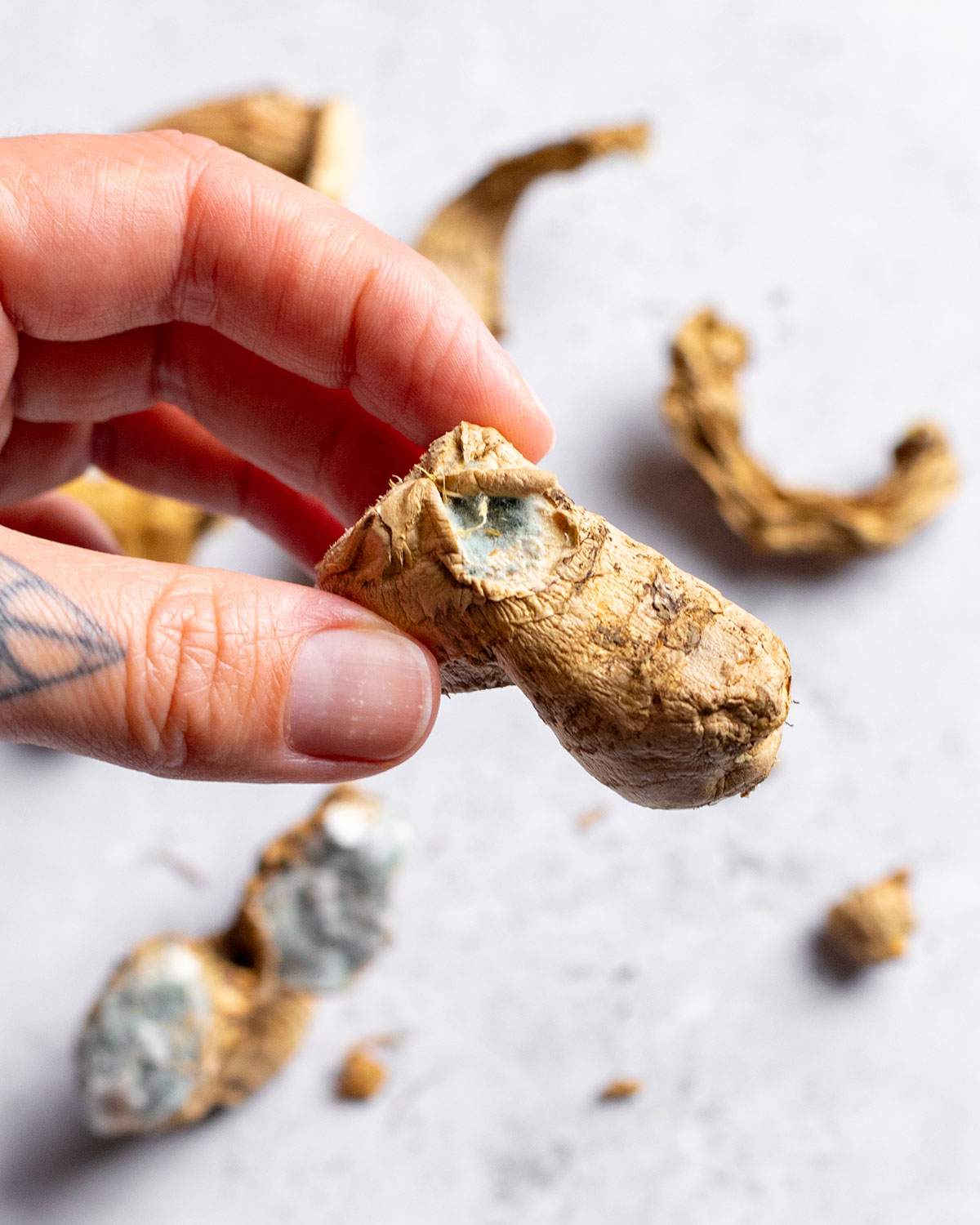
Blue or green-tinged ginger isn't necessarily bad. Some ginger naturally develops this coloration, so it can still be safe to use if the root is firm, smells fresh and has no mold or other signs of spoilage. If the discoloration is accompanied by mushiness, slime, mold or an unpleasant smell, discard it.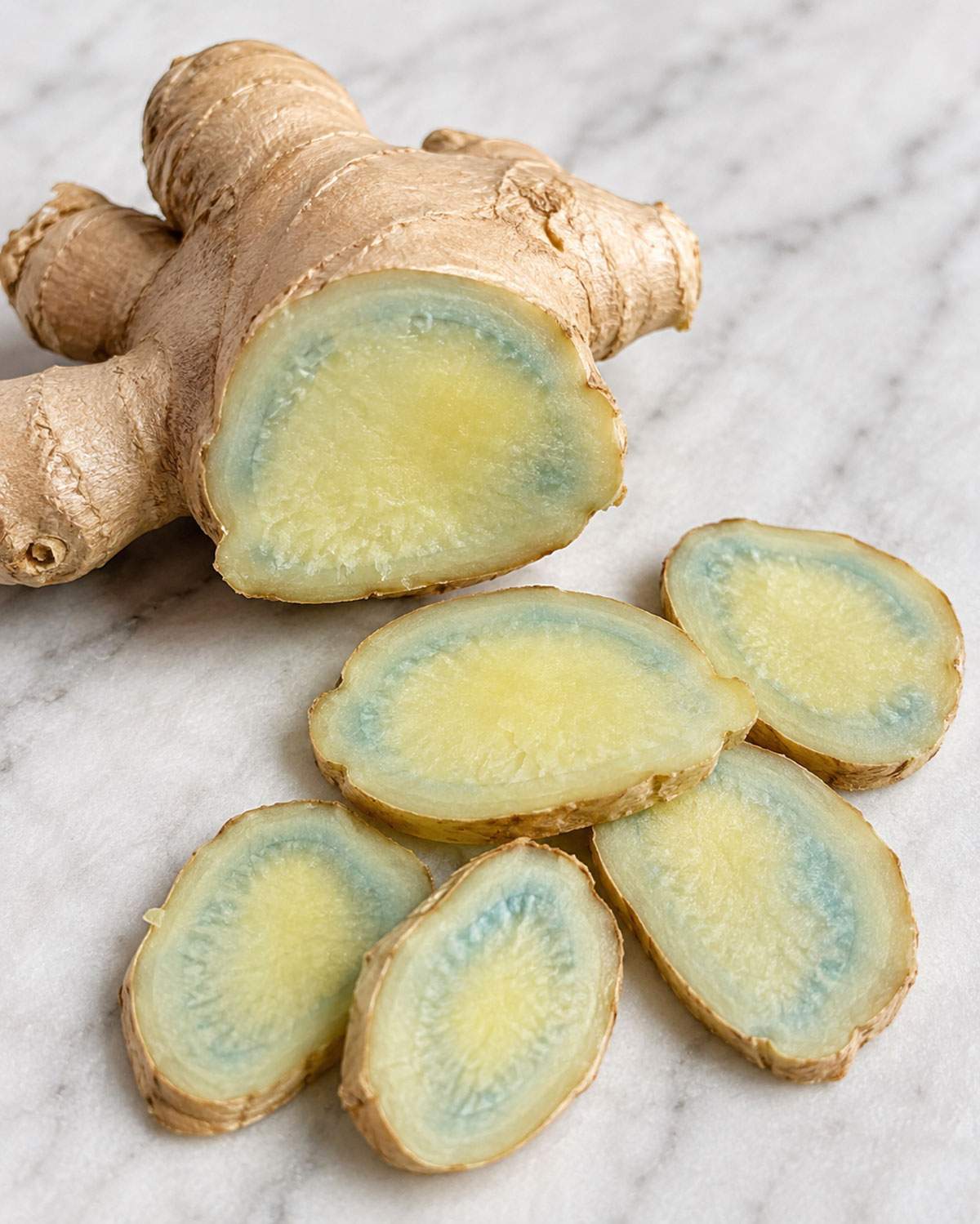
👨🍳 What to Cook with Leftover ginger
If your ginger is getting older but is still safe to use, put it to work in one of these recipes:
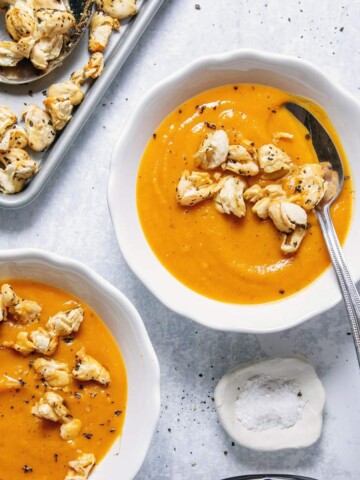
- Spicy Swede & Ginger Soup
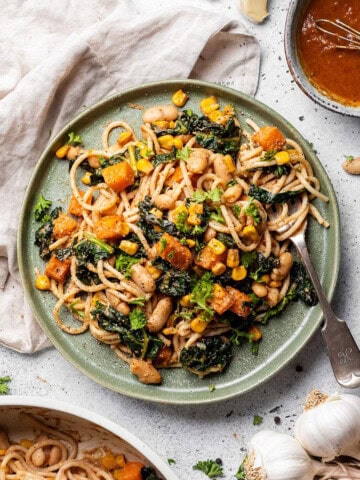
- Vegan Satay Pasta
- Dum Aloo Potato Curry
- Creamy Butter Bean Curry
- Vegan Chicken Tikka Masala
- Tempeh Nasi Goreng

For ground ginger, try my Turmeric Latte, Carrot Cake or Gingerbread Pancakes.
© 2026 Romy London / Romina Callwitz | All images, videos, wordings and content are copyright protected and belong to Romina Callwitz. Please do not use any of my content without prior permission. If you wish to re-publish any (part of my) content, please get in touch via email. Thanks for your support!
*Disclosure: This page may contain affiliate links and sponsored links that earn me a small commission, at no additional cost to you. You can find more information in my Privacy Policy.


how do seo backlinks work says
Thank you, I have just been searching for info about this topic for ages and yours is the best I've discovered till now. But, what about the bottom line? Are you sure about the source?