


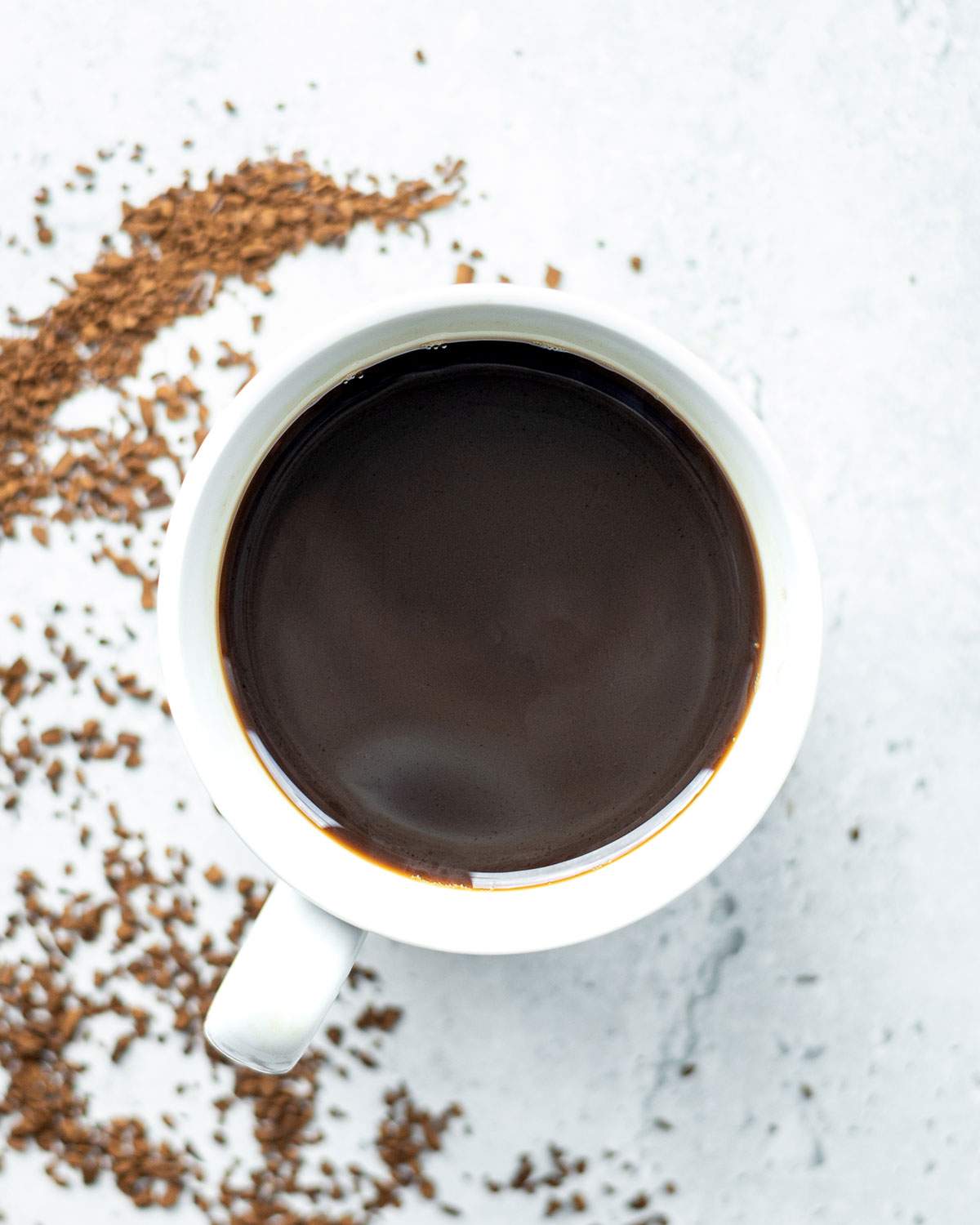
Found a jar of instant coffee hiding at the back of the cupboard and wondering whether it’s still good? The good news is that plain instant coffee has a very long shelf life, thanks to its low moisture content.
Over time, it’s usually the flavor and aroma that deteriorate first, rather than the coffee suddenly becoming unsafe. But if moisture gets into the jar, that’s a different story - dampness can cause clumping and potentially lead to spoilage.
Here’s how to tell whether your instant coffee is simply getting old or whether it’s time to throw it away.
⚡ Quick Answer: Can Instant Coffee Actually Go Bad?
Yes, instant coffee can eventually deteriorate, but properly stored dry instant coffee usually loses quality long before it actually spoils.
If your coffee is dry, smells normal, and shows no signs of mold or contamination, an older jar may simply taste weaker or less aromatic.
A best-before date is about quality rather than safety, so reaching that date doesn’t automatically mean the coffee needs to be discarded. However, always follow the storage instructions on the packaging and throw the coffee away if it has become damp, moldy, or developed an unusual smell.
The UK Food Standards Agency distinguishes best-before dates, which relate to quality, from use-by dates, which relate to food safety.
Jump to:
👀 How to Tell If Instant Coffee Is Still Good
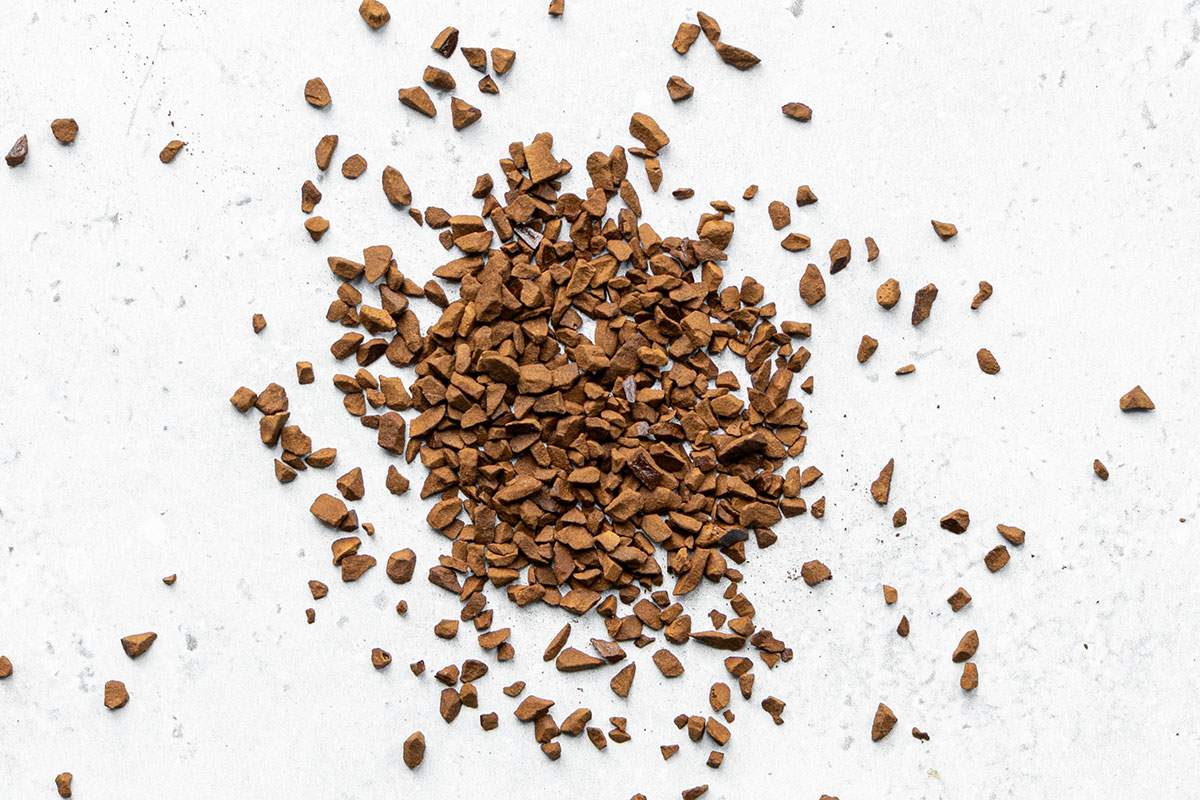
Older coffee doesn’t necessarily need to look exactly as it did when you first opened the jar. The important thing is knowing the difference between loss of freshness and genuine signs of spoilage.
Weak Aroma or Bland Flavor
If your instant coffee no longer smells particularly strong or makes a disappointing cup, it has probably lost some of its freshness.
That doesn’t automatically mean it has spoiled. Coffee’s aroma and flavor naturally fade with time and exposure to air.
If everything else looks and smells normal, the decision to replace it is mainly about whether you still enjoy drinking it.
A Few Dry Clumps
Seeing a couple of small clumps doesn’t necessarily mean your coffee has gone bad.
Instant coffee can absorb moisture from the air, particularly if the jar is regularly opened in a humid kitchen or near a steaming kettle.
Check the granules carefully. If they remain dry and smell normal, a small amount of clumping may simply be a quality issue.
Wet, Sticky, or Heavily Hardened Coffee
This is more concerning.
If significant moisture has entered the container and the coffee has become wet, sticky, or formed large hardened masses, I would replace it rather than trying to salvage it.
Moisture is exactly what you want to keep away from a dried product like instant coffee.
Mold or an Unusual Smell
If you see visible mold or notice a smell that seems musty, sour, or otherwise different from normal coffee, discard the contents.
Don’t taste questionable coffee to decide whether it’s safe.
⏳ How Long Does Instant Coffee Last?
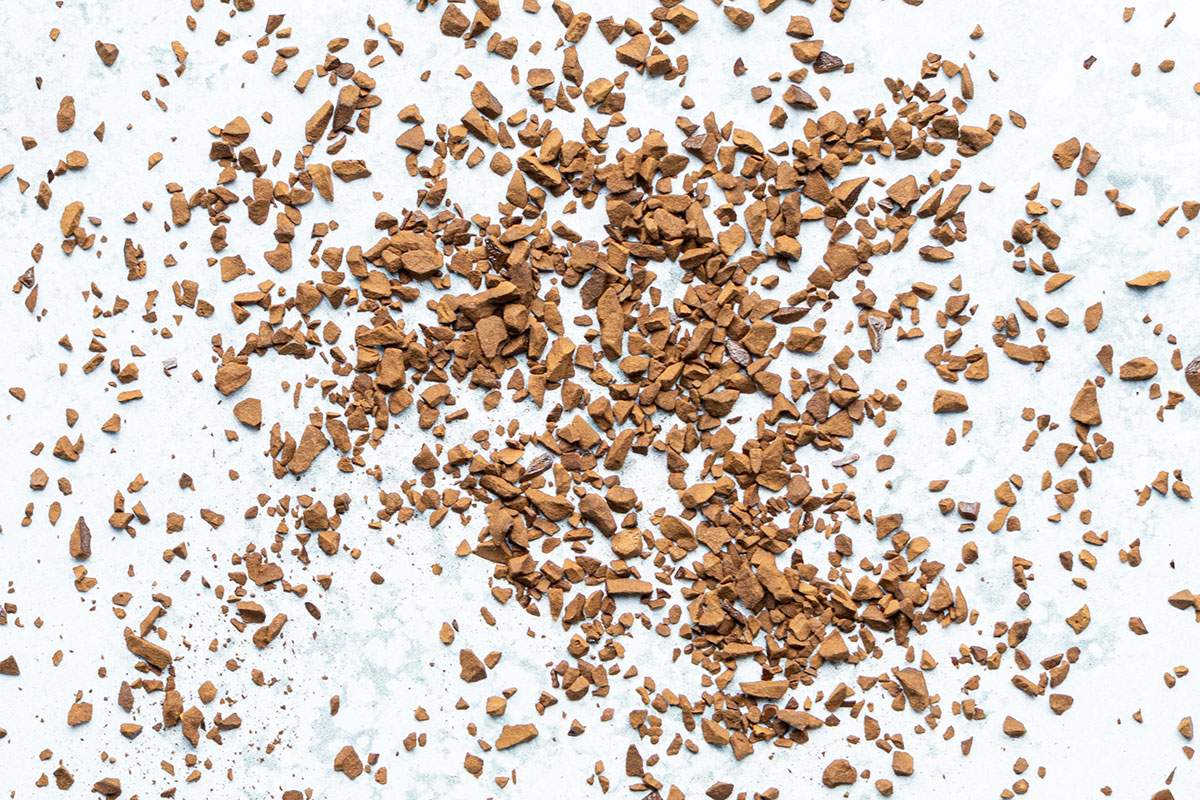
There isn’t one universal shelf life that applies to every brand and type of instant coffee.
Packaging, storage conditions, and whether the container has been opened all make a difference, so the manufacturer's date and storage instructions are the best starting point.
| Instant Coffee | How Long Does It Last? |
|---|---|
| Unopened jar or pouch | Use the best-before date on the packaging as your guide for best quality. |
| Opened instant coffee | Can maintain good quality for many months when kept tightly sealed somewhere cool and dry. Check the manufacturer's guidance. |
| Single-serve sachets | Follow the date printed on the package and keep the sachets sealed until needed. |
As one example, Nescafé UK says that an opened jar or tin of its instant coffee stored correctly will generally remain at best quality for around 12-18 months. That’s a quality guideline rather than a universal rule for every instant coffee brand.
What About the Best-Before Date?
For shelf-stable products such as instant coffee, you’ll generally be dealing with a best-before or best-by date, rather than a use-by date.
A best-before date tells you when the manufacturer expects the product to be at its best quality. It doesn’t mean the coffee suddenly becomes unsafe the following day.
That’s why checking how the coffee has been stored and what condition it’s in is useful alongside the date on the package.
🫙 How to Store Instant Coffee Properly
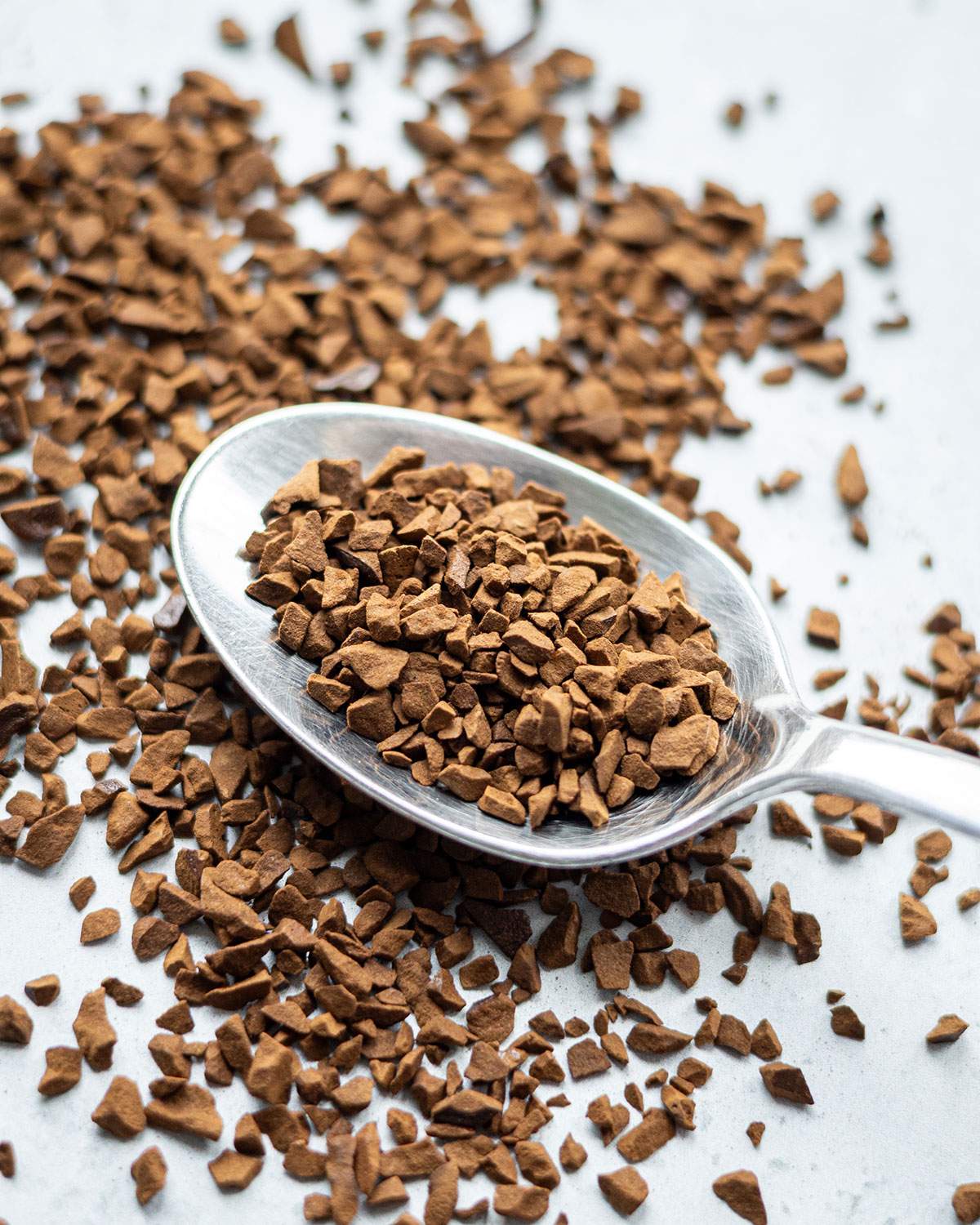
The biggest enemies of instant coffee are moisture, air, heat, and light.
A few simple habits can help preserve its flavor for longer.
Keep It Tightly Sealed
Close the lid properly after every use.
If the coffee came in a jar with a well-fitting lid, there’s no need to transfer it to another container. If the original packaging doesn’t reseal securely, move the granules to a clean, airtight container instead.
Nescafé similarly recommends keeping opened instant coffee in a cool, dry place with the lid tightly closed.
Keep It Somewhere Cool and Dry
A kitchen cupboard away from direct sunlight and major heat sources is ideal.
Avoid storing the jar directly beside the stove, oven, or anywhere that regularly becomes warm or humid.
Keep It Away From Steam
This is an easy one to overlook.
Opening your coffee jar directly beside a steaming kettle can expose the granules to moisture every time you make a cup.
Give the jar a little distance from the kettle and close the lid again once you’ve measured out your coffee.
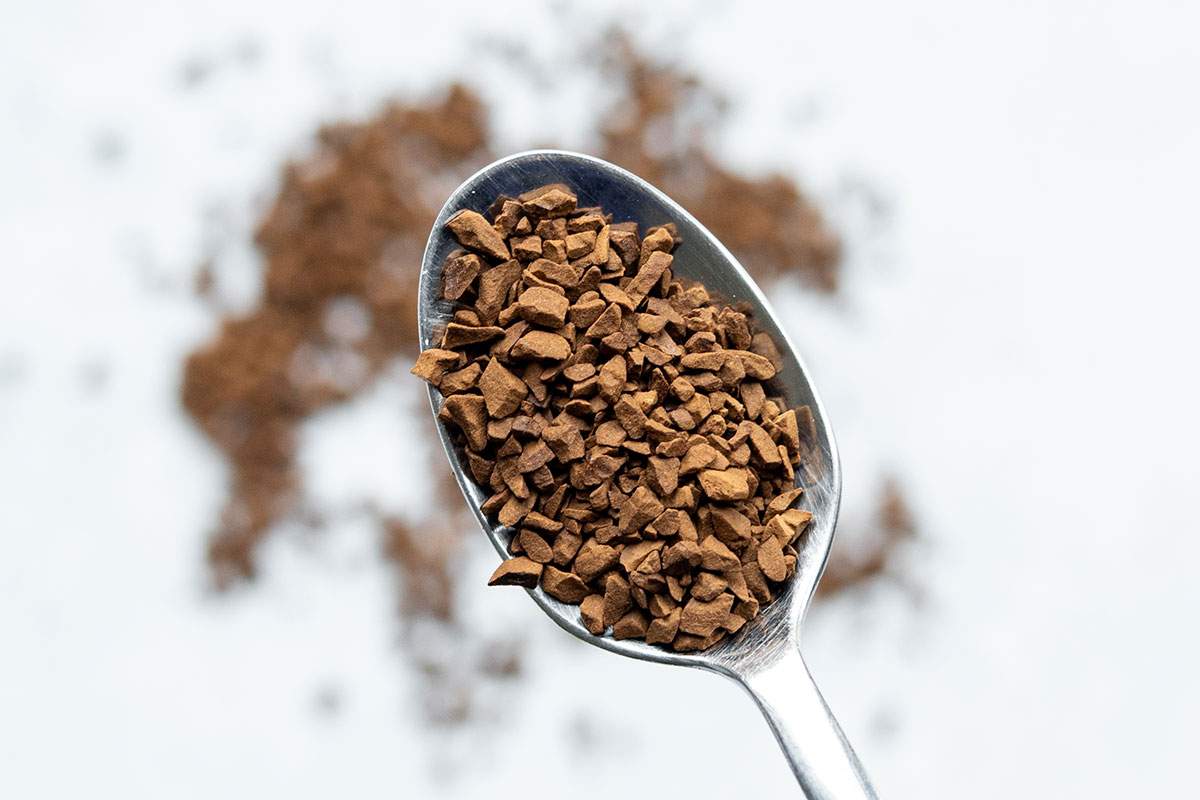
Always Use a Dry Spoon
Even a small amount of water introduced on a wet spoon can create damp clumps.
Use a clean, completely dry spoon whenever you scoop coffee from the container. Nescafé also recommends a dry spoon to help avoid introducing moisture.
Don’t Refrigerate It Unnecessarily
For everyday storage, a cool, dry cupboard is generally a better choice than the refrigerator.
Moving coffee in and out of a cold environment can introduce condensation, which is exactly what you’re trying to avoid.
❓ Frequently Asked Questions
Potentially, yes.
A best-before date refers to quality, not the point at which a food automatically becomes unsafe. If the instant coffee has been stored correctly, remains dry, and shows no signs of mold, contamination, or unusual odor, it may still be usable after that date.
The biggest difference you may notice is weaker flavor or aroma. Always follow any specific storage advice from the manufacturer.
Instant coffee readily absorbs moisture from its surroundings, so clumps can form if humid air gets into the container.
A few small, dry clumps don't automatically mean the coffee has spoiled.
However, if the coffee is wet, sticky, smells unusual, or has become heavily hardened after obvious moisture exposure, I’d replace it.
Dry instant coffee is not an environment where you would normally expect mold to thrive.
However, if enough moisture gets into the container, the conditions change. If you see visible mold, discard the coffee rather than removing the affected granules and using the rest.
Usually, no. Opened instant coffee is best kept tightly sealed in a cool, dry place. Refrigerating it isn’t generally necessary and can create problems if condensation gets into the container. Nescafé recommends cupboard-style cool, dry storage for its instant coffee products.
Instant coffee doesn’t suddenly become unusable the moment it reaches the date printed on the package. With a best-before date, quality is the main consideration. Flavor and aroma can gradually deteriorate with age, particularly once the container has been opened.
Instead of relying on the date alone, consider the storage conditions, appearance, smell, and whether any moisture has entered the container.
☕ Fresh vs Stale vs Spoiled Instant Coffee
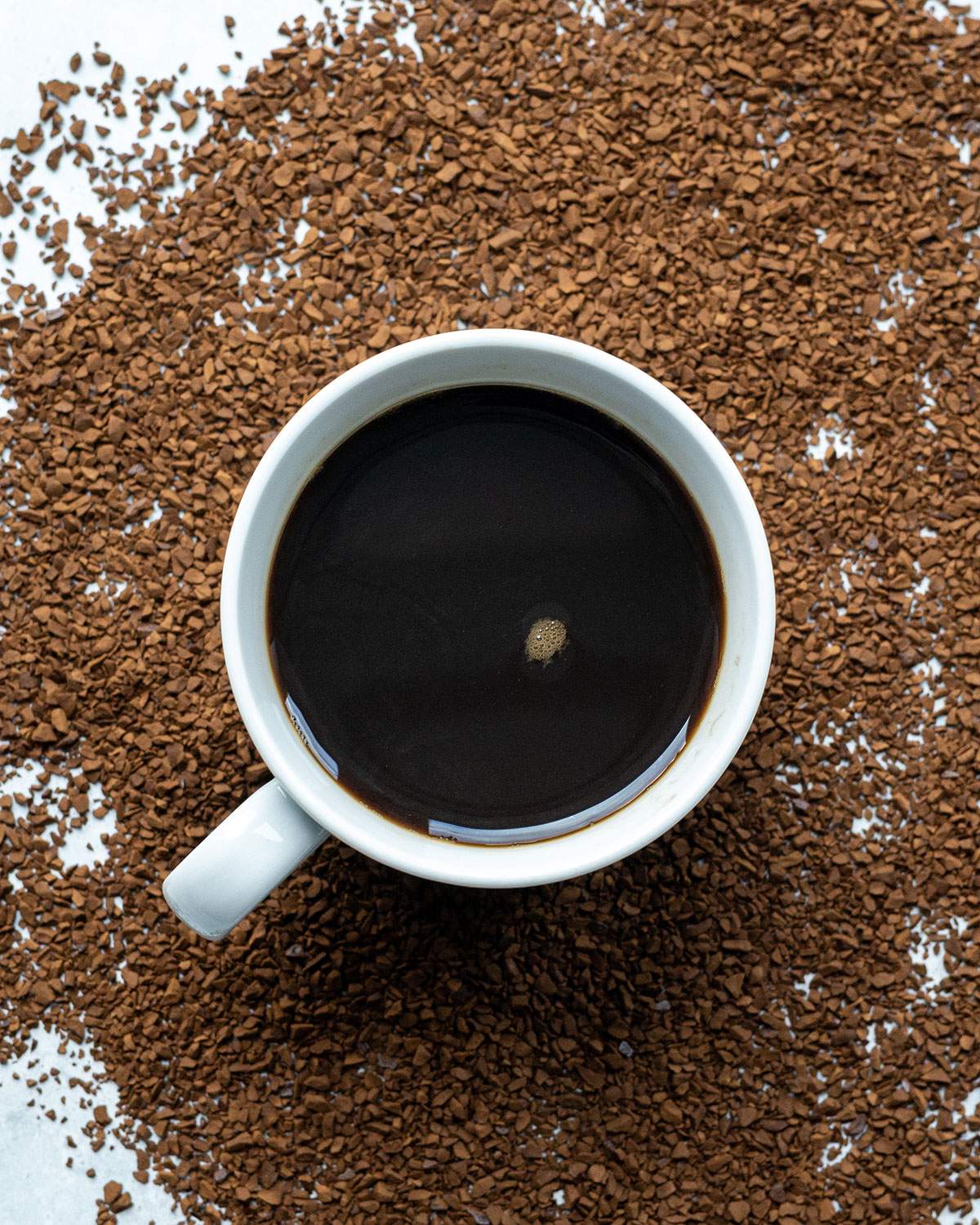
If you want a very simple way to assess an older jar, think of it like this:
| Condition | Appearance | Aroma | What to Do |
|---|---|---|---|
| Fresh | Dry, loose granules | Strong, familiar coffee aroma | ✅ Use it |
| Older / stale | Usually normal, possibly a few dry clumps | Weaker than when fresh | ✅ Usually usable, but flavor may be poorer |
| Moisture-damaged / spoiled | Wet, sticky, heavily hardened or moldy | Musty, sour, or otherwise unusual | ❌ Discard |
☕ More Coffee Guides
If you found this helpful, you might also like my guide to Can You Drink Expired Coffee?, which covers other types of coffee including whole beans and ground coffee.
© 2026 Romy London / Romina Callwitz | All images, videos, wordings and content are copyright protected and belong to Romina Callwitz. Please do not use any of my content without prior permission. If you wish to re-publish any (part of my) content, please get in touch via email. Thanks for your support!
*Disclosure: This page may contain affiliate links and sponsored links that earn me a small commission, at no additional cost to you. You can find more information in my Privacy Policy.


💭 Leave a Comment