


Want to eat more plant-based protein without completely changing what you cook? The good news is that a few simple ingredient swaps and additions can make a difference.
After years of cooking vegan, I've found that the easiest approach is to work with meals you already enjoy. Think soy milk in your morning oats, lentils stirred into pasta sauce, or a handful of seeds sprinkled over lunch. Nothing complicated, just small changes that fit into everyday cooking.
Here are eight easy ways to add more vegan protein to your meals, with practical tips and recipe ideas to get you started.
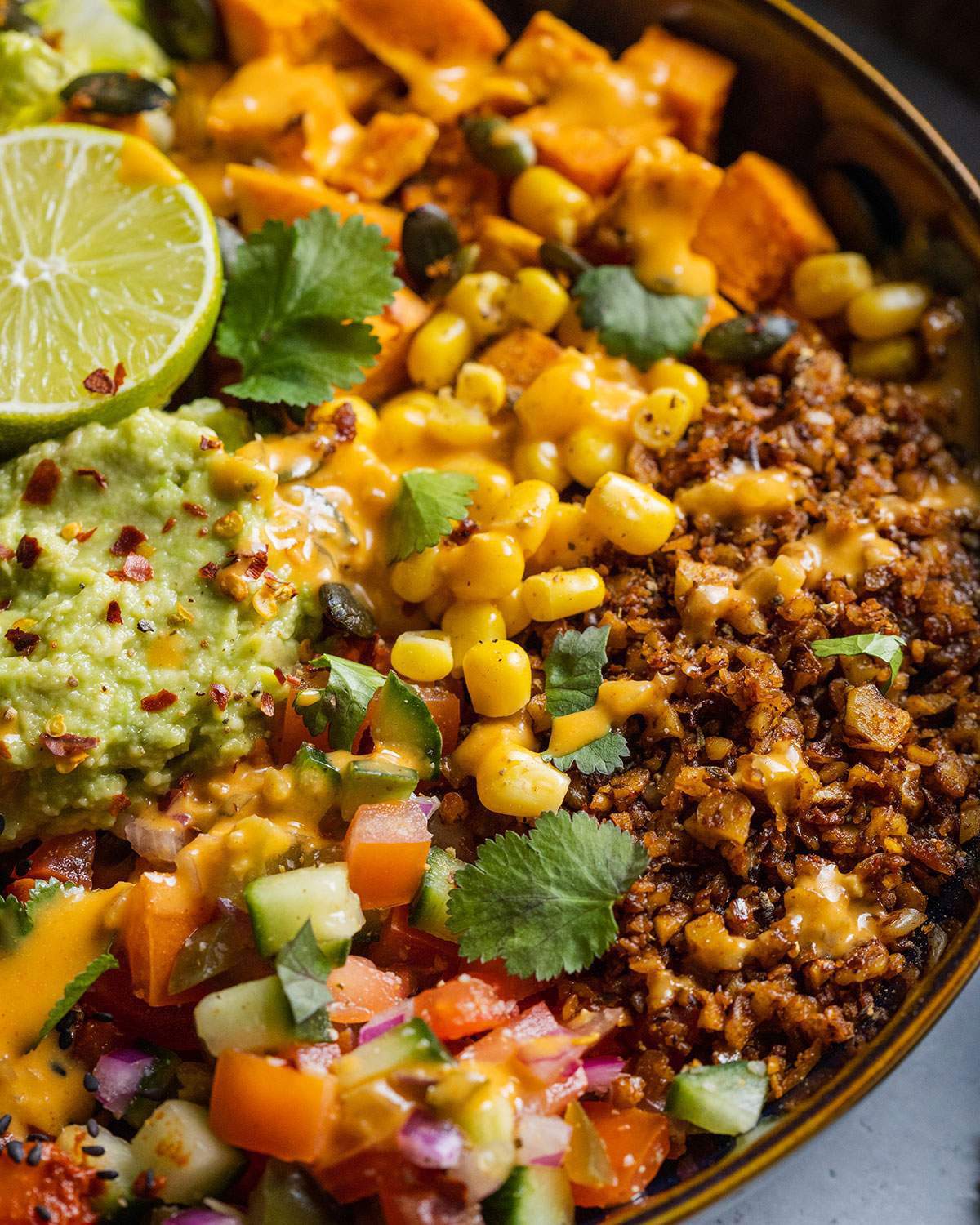
Jump to:
💪 8 Easy Ways to Add More Vegan Protein
1. Build Your Meals Around a Protein-Rich Ingredient
One of the simplest ways to increase the protein in your lunches and dinners is to start with a protein-rich ingredient, then build the rest of the meal around it.
Some of my favorites include:
- Tofu: Great for curries, stir-fries, and crispy baked dishes.
- Tempeh: Perfect for rice bowls, sandwiches, and noodle dishes.
- Seitan: A chewy, protein-rich option for wraps, gyros, and hearty mains.
- Beans and lentils: Ideal for soups, curries, stews, and pasta sauces.
- Edamame: An easy addition to salads, rice bowls, and noodles.
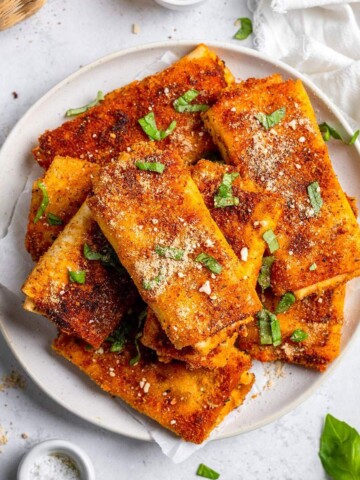
For example, you could make my Cajun tofu and serve it with rice and vegetables, or try tempeh katsu curry for a hearty dinner.
My tip: Not sure which ingredients to choose? My guide to 20 vegan protein sources compares their approximate protein content and explains how to use them.
2. Switch to Soy Milk for Breakfasts and Smoothies
If you usually use oat, almond, or coconut milk, swapping to soy milk is an easy way to add a little more protein without changing your usual recipes.
Soy milk generally contains more protein than most standard oat or almond milks, although amounts vary between brands.
Try using unsweetened soy milk in:
- Oatmeal and overnight oats
- Smoothies and smoothie bowls
- Pancake batter
- Coffee and iced lattes
- Homemade sauces
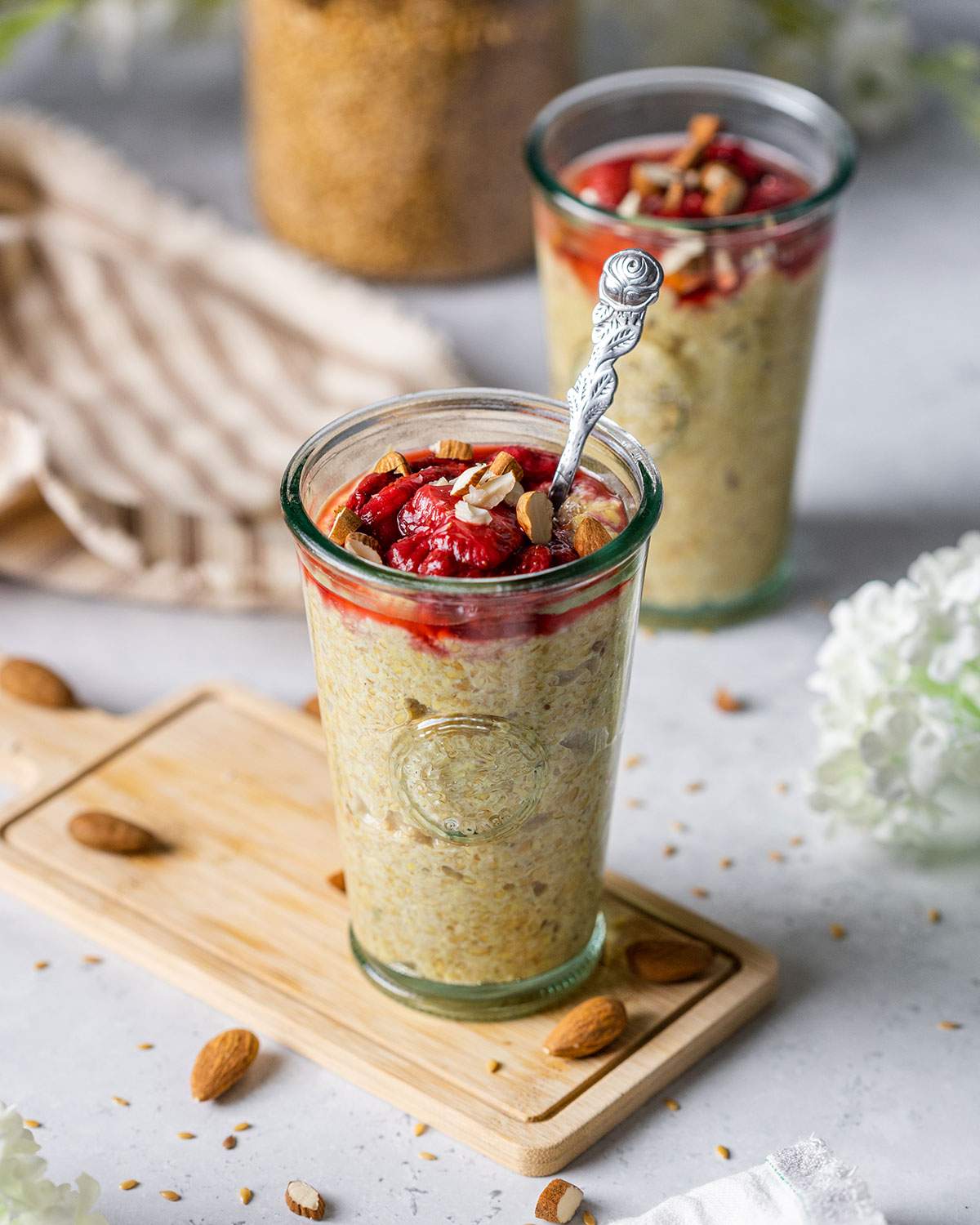
I especially like using it in my chocolate protein smoothie bowl or when making vegan protein pancakes. It also works beautifully in my flaxseed pudding with stewed berries and almonds.
It's one of those simple swaps that takes almost no extra effort. Just check the nutritional label when choosing a milk, and consider a calcium-fortified variety.
3. Add Beans or Lentils to Everyday Meals
Beans and lentils are some of my favorite ingredients for making everyday meals more substantial. They're affordable, easy to store, and work in everything from soups to pasta sauces.
You don't even need to create a new recipe. Try adding:
- Cooked lentils to tomato-based pasta sauces
- Black beans or kidney beans to chili
- Chickpeas to curries and stews
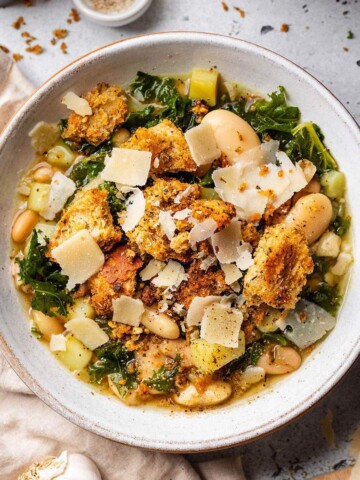
- White beans to creamy soups
- Mashed chickpeas or beans to sandwich fillings
For an easy starting point, stir half a can of drained beans or cooked lentils into a dish you're already making.
My lentil and mushroom stroganoff is a great example of using lentils in a creamy sauce, while this vegan butter chickpea curry shows how chickpeas can form the base of a comforting dinner.
Extra tip: Blending white beans into a soup or sauce can also make it creamier while adding some protein and fiber.
4. Try Higher-Protein Pasta and Noodles
You can also increase the protein content of pasta dishes by swapping the pasta itself.
Pasta made from lentils, chickpeas, or edamame often contains considerably more protein than traditional wheat pasta. Many varieties also provide extra fiber.
Try using:
- Red lentil pasta with tomato or vegetable sauces
- Chickpea pasta in pasta salads
- Edamame noodles in stir-fries
- Whole wheat pasta when you want a simple alternative to regular white pasta
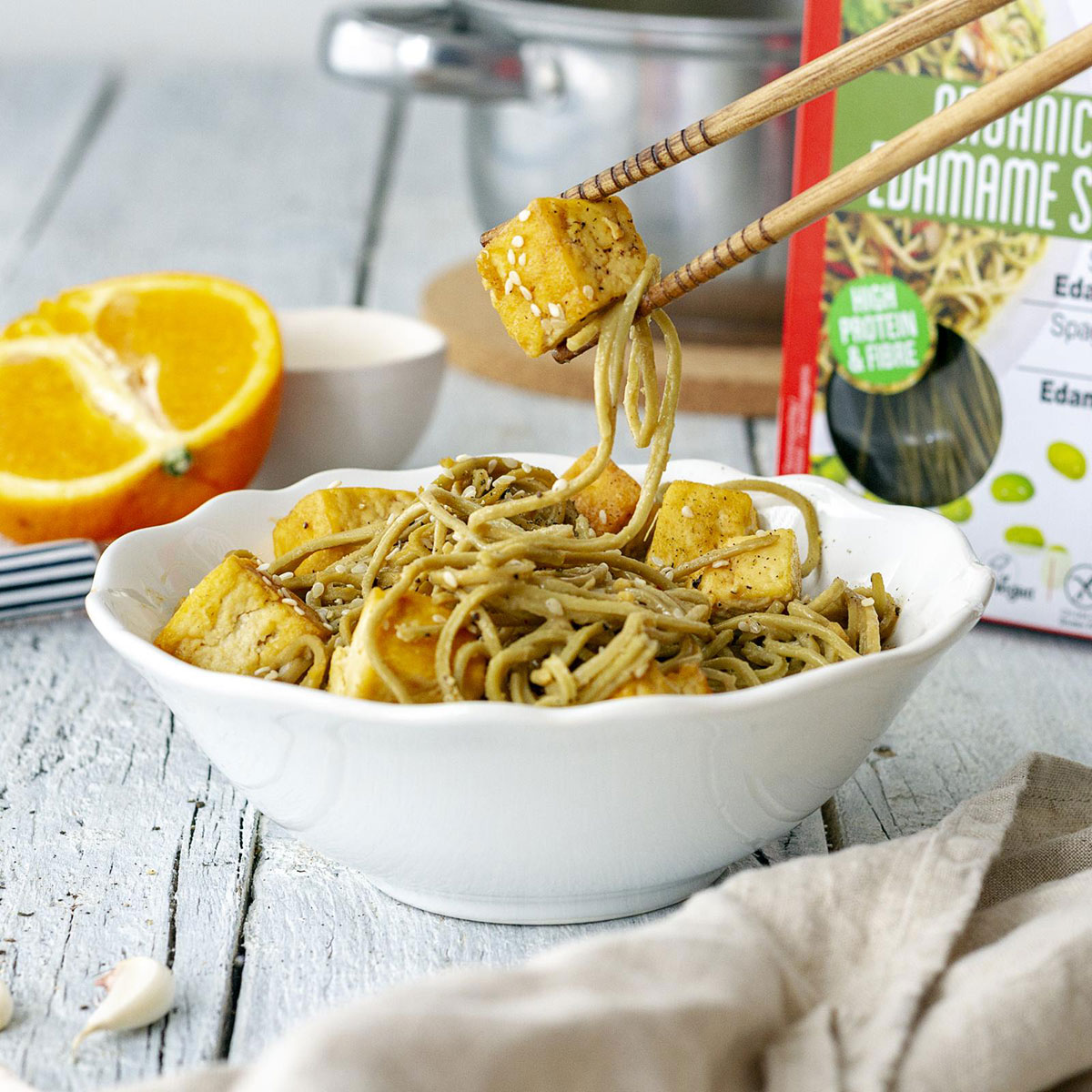
I use edamame spaghetti in my high-protein sesame noodles, paired with tofu and a sesame-based sauce.
Just keep in mind that legume-based pasta can cook differently from regular pasta, so follow the package instructions to avoid overcooking it.
5. Sprinkle Seeds Over Your Favorite Dishes
Seeds are one of the easiest ways to add a little extra protein to meals without much preparation.
I love keeping hemp seeds, pumpkin seeds, and chia seeds in the kitchen because they're so versatile.
Here are a few simple combinations:
- Hemp seeds: Sprinkle over oatmeal, smoothies, salads, or soups.
- Pumpkin seeds: Add crunch to grain bowls, roasted vegetables, and salads.
- Chia seeds: Stir into overnight oats, yogurt, or smoothie bowls.
- Sesame seeds: Use as a finishing touch for noodle bowls and stir-fries.
You can also blend pumpkin seeds into sauces and pesto. My pumpkin seed pesto is a great way to use them beyond a simple topping.
A tablespoon or two won't transform a low-protein meal into a high-protein one, but these small additions can contribute to your overall intake.
And let's be fair, a sprinkle of seeds also makes a bowl of oatmeal look like you've got your life together.
6. Use Nutritional Yeast in Savory Recipes
Nutritional yeast is a staple in my kitchen because it adds a cheesy, savory flavor while contributing some protein.
You can stir it into:
- Creamy pasta sauces
- Soups and stews
- Tofu scrambles
- Mashed potatoes
- Risotto-style dishes
- Homemade dressings and dips
It's especially useful in vegan cheese-style recipes. I regularly use it in my vegan cheese sauce and grateable vegan Parmesan.
The amount of protein varies between products, so check the package if you're tracking your intake. Think of nutritional yeast as a flavorful extra rather than your main protein source.
7. Make Your Everyday Snacks More Protein-Rich
Snacks are another easy opportunity to add plant-based protein throughout the day.
Instead of relying on one particular ingredient, try combining a few protein-containing foods.
Some simple ideas include:
- Edamame with salt and chili flakes
- Hummus with whole-grain crackers
- Soy yogurt topped with hemp or pumpkin seeds
- Peanut butter on whole-grain toast
- Roasted chickpeas
- Trail mix with nuts and pumpkin seeds
If you prefer something sweet, my Snickers protein balls are made with dates, nuts, and seeds, while my easy vegan protein pudding uses protein powder for a more concentrated boost.
You can also prepare a batch of chocolate date caramel protein bars to keep in the fridge for later.
Snacks don't need to be complicated. Having a few convenient options available is often half the battle.

8. Keep Protein-Rich Staples on Hand
A little preparation makes it much easier to include protein-rich ingredients in everyday cooking, especially on busy days when you don't feel like starting a meal from scratch.
I like keeping a mixture of pantry, fridge, and freezer staples available:
- Pantry: Canned chickpeas, black beans, kidney beans, dried lentils, and nutritional yeast.
- Fridge: Tofu, tempeh, soy yogurt, and soy milk.
- Freezer: Edamame, cooked beans, and portions of homemade meals.
- Cupboard extras: Pumpkin seeds, hemp seeds, peanut butter, and optional vegan protein powder.
You can also batch-cook lentils, prepare tofu ahead of time, or freeze individual portions of bean chili and curry.
The goal isn't to have a perfectly organized kitchen. It's simply to make the protein-rich option the easy option when you're hungry and don't want to think too hard about dinner.
🧩 Do You Need to Combine Different Vegan Protein Sources?
Not every meal needs one big protein centerpiece. You can also increase the total by combining several smaller sources.
For example:
- Oatmeal + soy milk + hemp seeds
- Whole wheat pasta + lentils
- Rice + black beans + pumpkin seeds
- Toast + peanut butter + chia seeds
- Tofu + noodles + edamame
These combinations are useful for increasing the amount of protein in a meal, but you don't need to pair specific plant proteins at every meal to get all the essential amino acids. Eating a variety of plant foods throughout the day is generally sufficient when you're meeting your overall nutritional needs.
❓ Frequently Asked Questions
Start with foods like tofu, tempeh, seitan, lentils, beans, soy milk, and seeds. Adding beans to sauces, choosing soy milk for breakfast, or making tofu the main ingredient in a meal are all practical ways to increase protein without supplements.
Try making oatmeal with soy milk instead of a lower-protein plant milk, adding hemp seeds or nut butter, or choosing a breakfast made with tofu or chickpea flour. You can also prepare overnight oats or protein-rich breakfast components ahead of time to make mornings easier.
Including a source of protein in meals throughout the day can make it easier to meet your overall needs. It doesn't have to be the same amount at every meal, and smaller contributions from grains, nuts, seeds, and other foods count too. Your individual protein needs depend on factors such as age, activity, and health.
🍽️ More Vegan Protein Inspiration
Looking for more ideas? These two guides are great places to continue:
- Vegan Protein Sources: 20 High-Protein Plant-Based Foods - Compare protein-rich ingredients and learn how to use them in everyday cooking.
- High-Protein Vegan Meal Ideas - Browse easy breakfast, lunch, dinner, and snack recipes featuring plant-based proteins. (Add the link to your published roundup here.)
You don't need to make every change at once. Start with one or two swaps that suit the foods you already enjoy, and build from there.
© 2026 Romy London / Romina Callwitz | All images, videos, wordings and content are copyright protected and belong to Romina Callwitz. Please do not use any of my content without prior permission. If you wish to re-publish any (part of my) content, please get in touch via email. Thanks for your support!
*Disclosure: This page may contain affiliate links and sponsored links that earn me a small commission, at no additional cost to you. You can find more information in my Privacy Policy.

💭 Leave a Comment