


Have a recipe that calls for coconut cream but only a bag of shredded coconut in the cupboard? You can turn it into smooth, homemade coconut cream using just hot water and a blender.
There is no need to crack open a fresh coconut or wait overnight for a can of coconut milk to separate. Simply blend the coconut with hot water, strain it and your cream is ready to use.
This version is richer and thicker than homemade coconut milk because it uses a higher ratio of coconut to water. It is ideal for curries, soups, sauces and desserts where you want creaminess without adding too much additional liquid.
⚡ Quick Overview
To make coconut cream, blend unsweetened shredded coconut with hot water until smooth, then strain it through a nut milk bag or fine-mesh sieve.
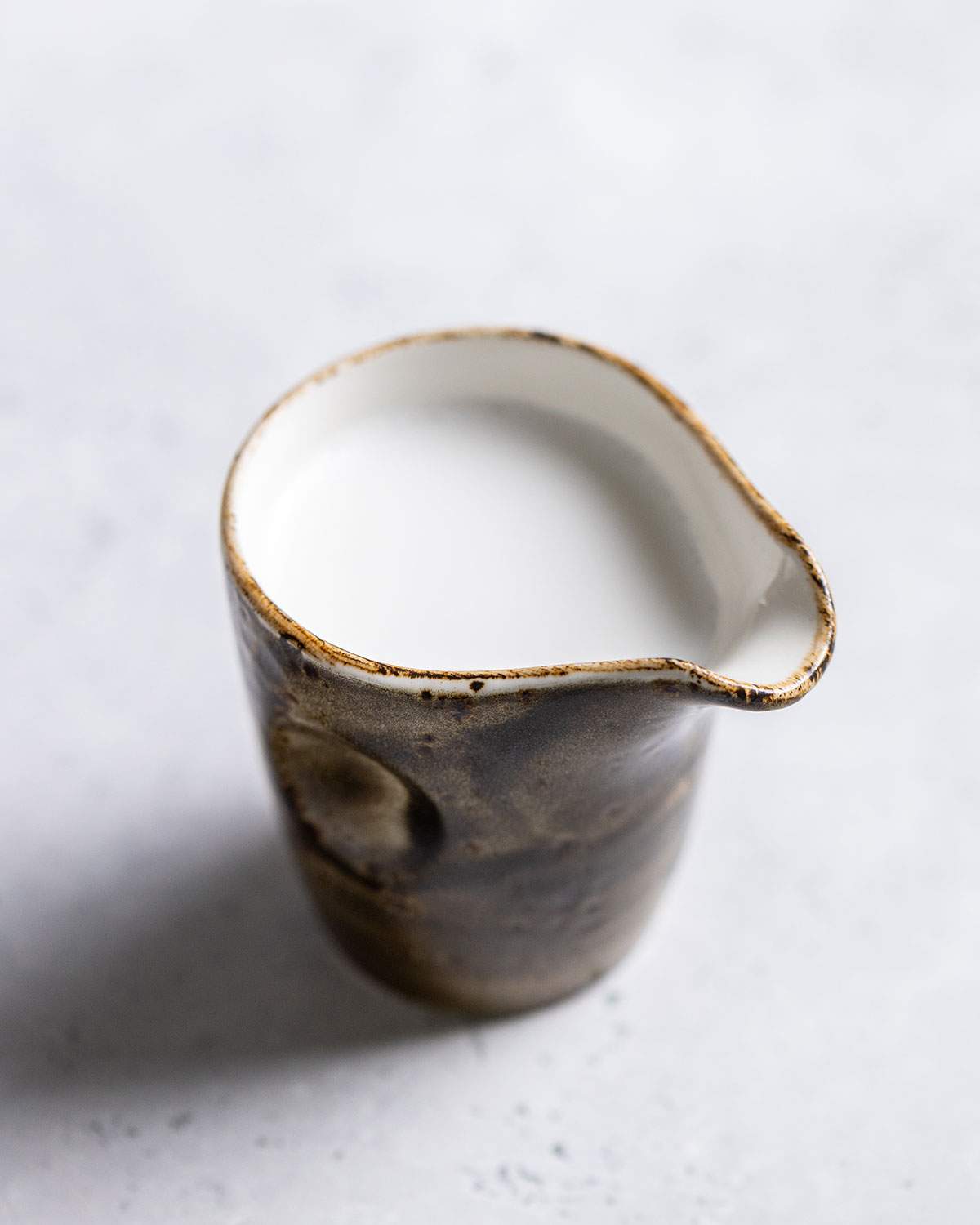
🤍 Why You’ll Love This Recipe
- ✨ Made with just two simple ingredients
- ⏱️ Ready in around 10 minutes
- 🥥 No fresh coconut required
- ⚖️ Easy to make thicker or thinner
- 🍽️ Works in both sweet and savory recipes
- 🥫 A useful alternative when you do not have canned coconut cream
- ♻️ The leftover coconut pulp can be reused rather than thrown away
Jump to:
🥥 What Is Coconut Cream?
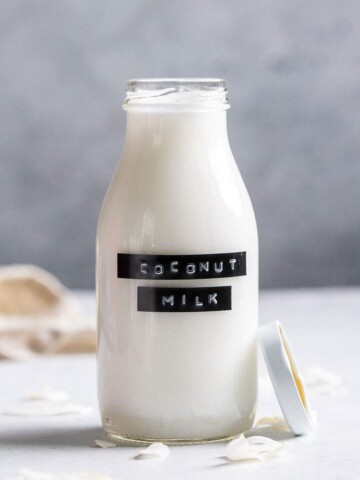
Coconut cream is a thick, unsweetened liquid made by blending coconut flesh with water.
It contains a greater proportion of coconut and less water than coconut milk, which gives it a thicker texture and richer coconut flavor. Depending on how much water you use, homemade coconut cream can range from pourable to very thick.
It is important not to confuse coconut cream with cream of coconut. Cream of coconut is sweetened and normally contains added sugar, while coconut cream is unsweetened and can be used in savory as well as sweet recipes.
Coconut cream is also different from whipped coconut cream, which is usually made by whipping the firm coconut solids from a chilled can of full-fat coconut milk or canned coconut cream.
⚖️ Coconut Cream vs. Coconut Milk
Coconut cream and coconut milk are made from the same basic ingredients: coconut and water. The main difference is the ratio.
| Product | Texture | Sweetened? | Common uses |
|---|---|---|---|
| Coconut cream | Thick and rich | No | Curries, sauces, soups and desserts |
| Coconut milk | Thinner and more pourable | No | Curries, soups, drinks and cooking |
| Cream of coconut | Thick and syrupy | Yes | Sweet recipes and drinks |
| Whipped coconut cream | Light and fluffy | Sometimes | Cakes, pies and desserts |
🛒 Ingredients & Notes
You only need two ingredients for this homemade coconut cream:
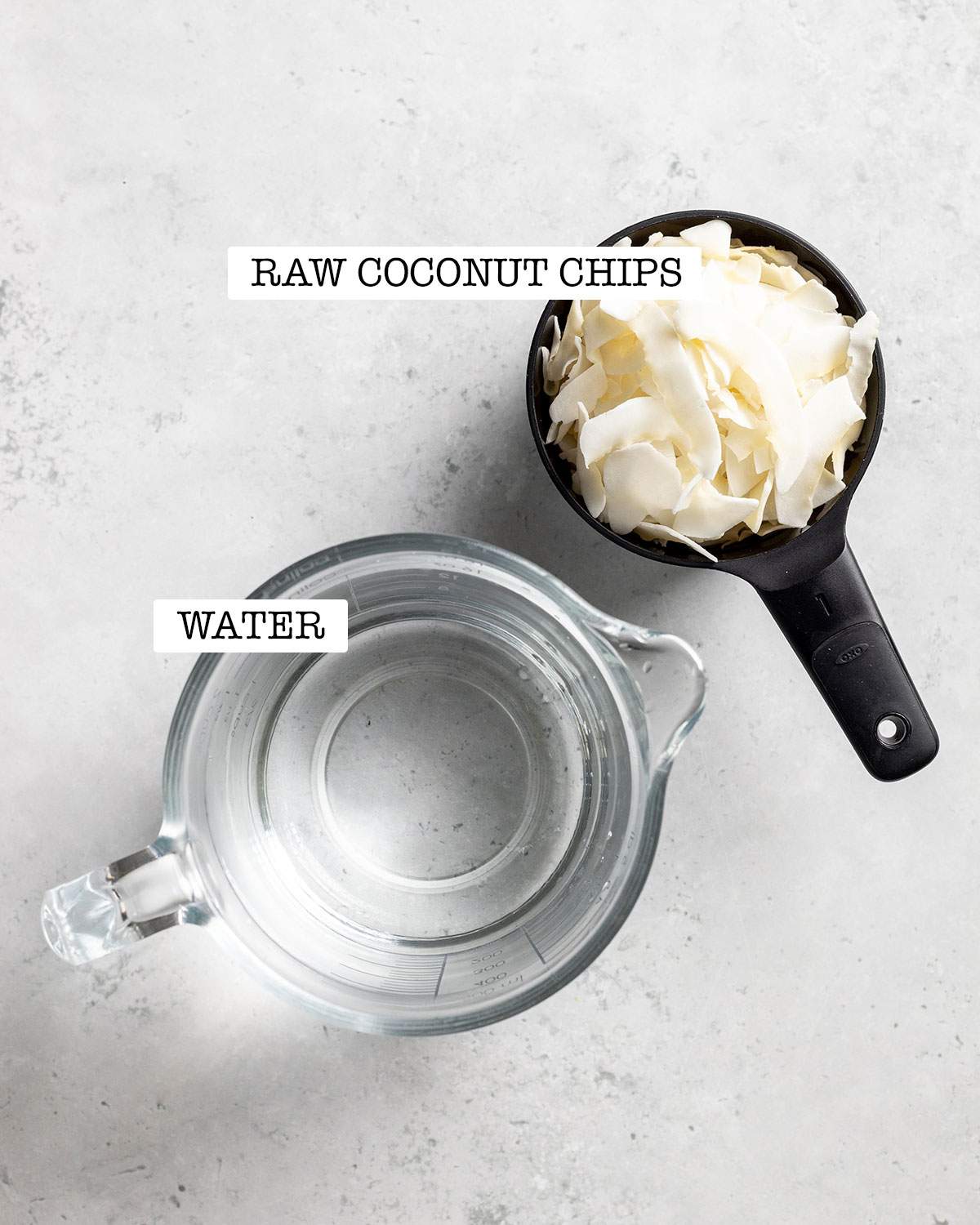
Scroll to the recipe card at the bottom of the post for detailed quantities and measurements.
Unsweetened shredded coconut
Use plain, unsweetened shredded coconut. In the UK, this may be sold as desiccated coconut.
Finely shredded coconut blends more easily than large coconut chips, but unsweetened coconut flakes can also work. They may need a slightly longer soak and additional blending.
Avoid sweetened shredded coconut, toasted coconut or coconut containing added flavors.
Hot water
Hot water softens the dried coconut and helps the blender extract its natural oils.
The water should be hot but does not need to be vigorously boiling. Take extra care when blending hot liquids and never fill the blender completely.
The precise amount of water determines the final consistency. Less water produces thicker coconut cream, while additional water gives you something closer to coconut milk.
🧰 Equipment
You will need:
- A high-speed blender
- A nut milk bag, cheesecloth or fine-mesh sieve lined with cheesecloth
- A heatproof bowl or measuring jug
- An airtight container for storing the cream
A regular blender can still work, but you may need to blend the coconut for longer and work in smaller batches.
🥣 How to Make Coconut Cream
Step 1: Combine the coconut and water
Place the shredded coconut in your blender and pour over the hot water.
For especially coarse or dry coconut flakes, leave the mixture to stand for 5-10 minutes. This gives the coconut time to soften before blending.
Step 2: Blend until creamy
Secure the blender lid, leaving space for steam to escape if required by your blender model.
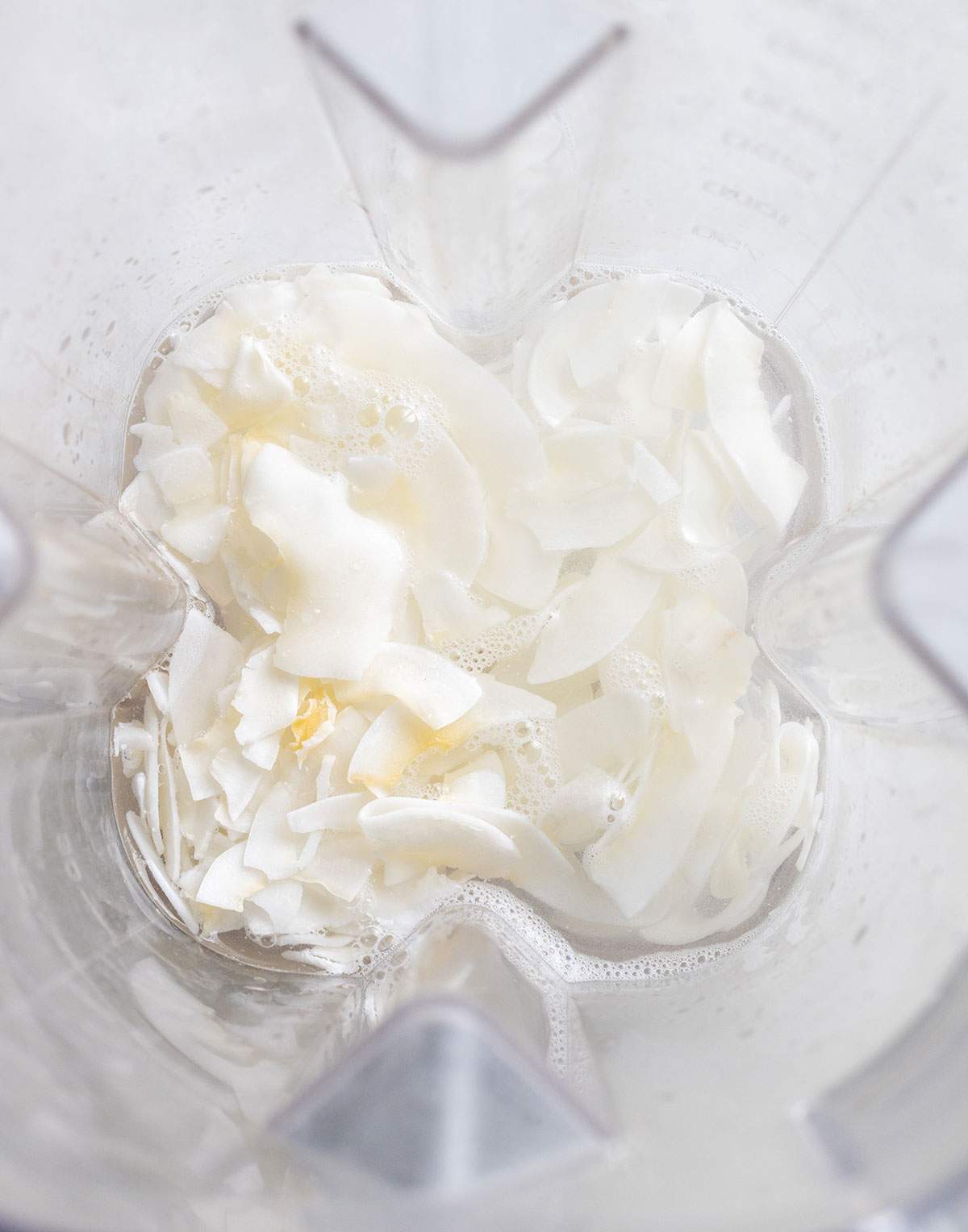
Blend on high speed until the mixture looks creamy and the coconut has been broken down as finely as possible. This will normally take around one to two minutes.
Pause and scrape down the sides of the blender if any dry coconut becomes stuck above the liquid.
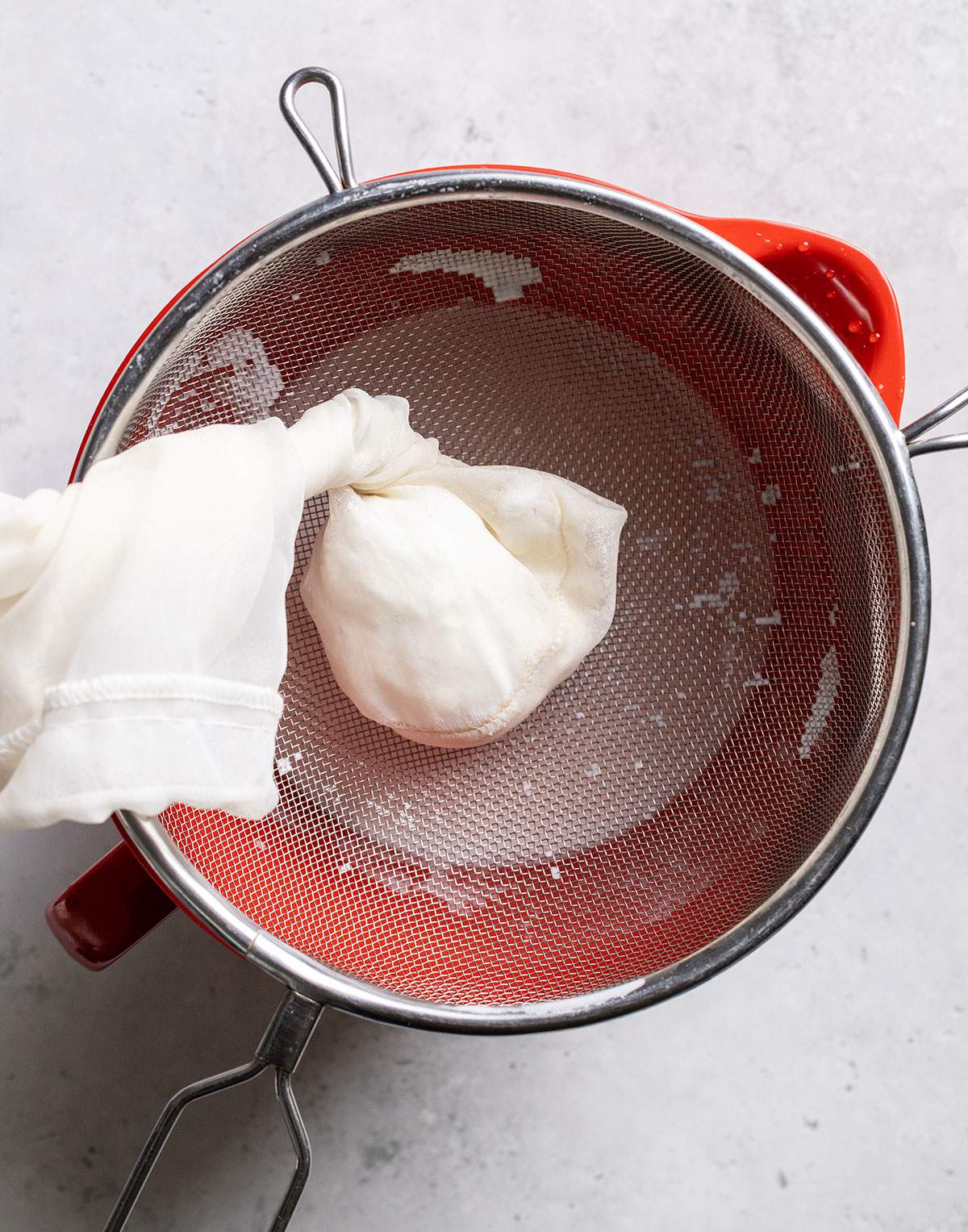
Step 3: Strain the mixture
Place a nut milk bag or fine-mesh sieve over a heatproof bowl or jug.
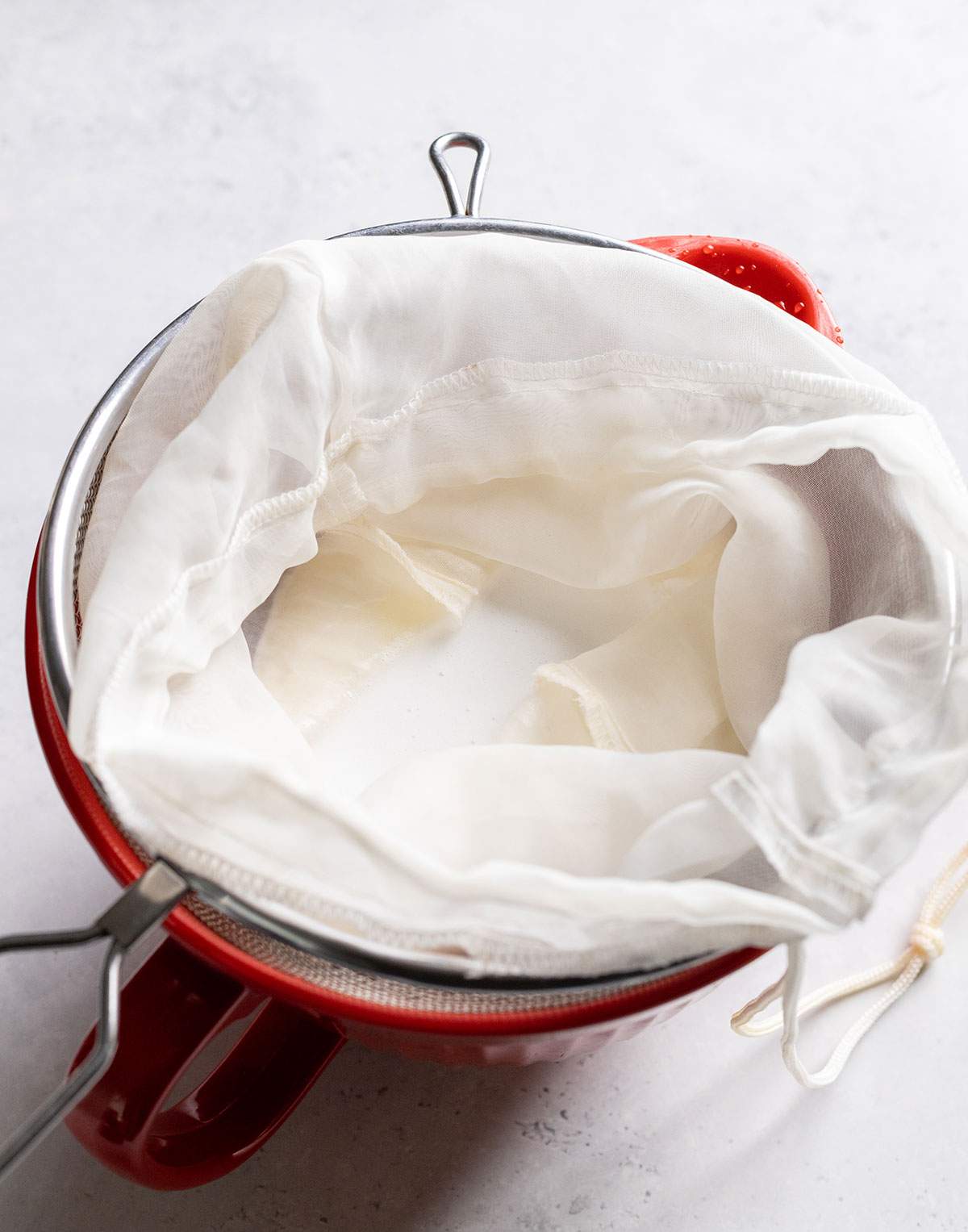
Pour in the blended coconut mixture and allow the liquid to drain through. Once it is cool enough to handle, squeeze or press the remaining coconut pulp to extract as much cream as possible.
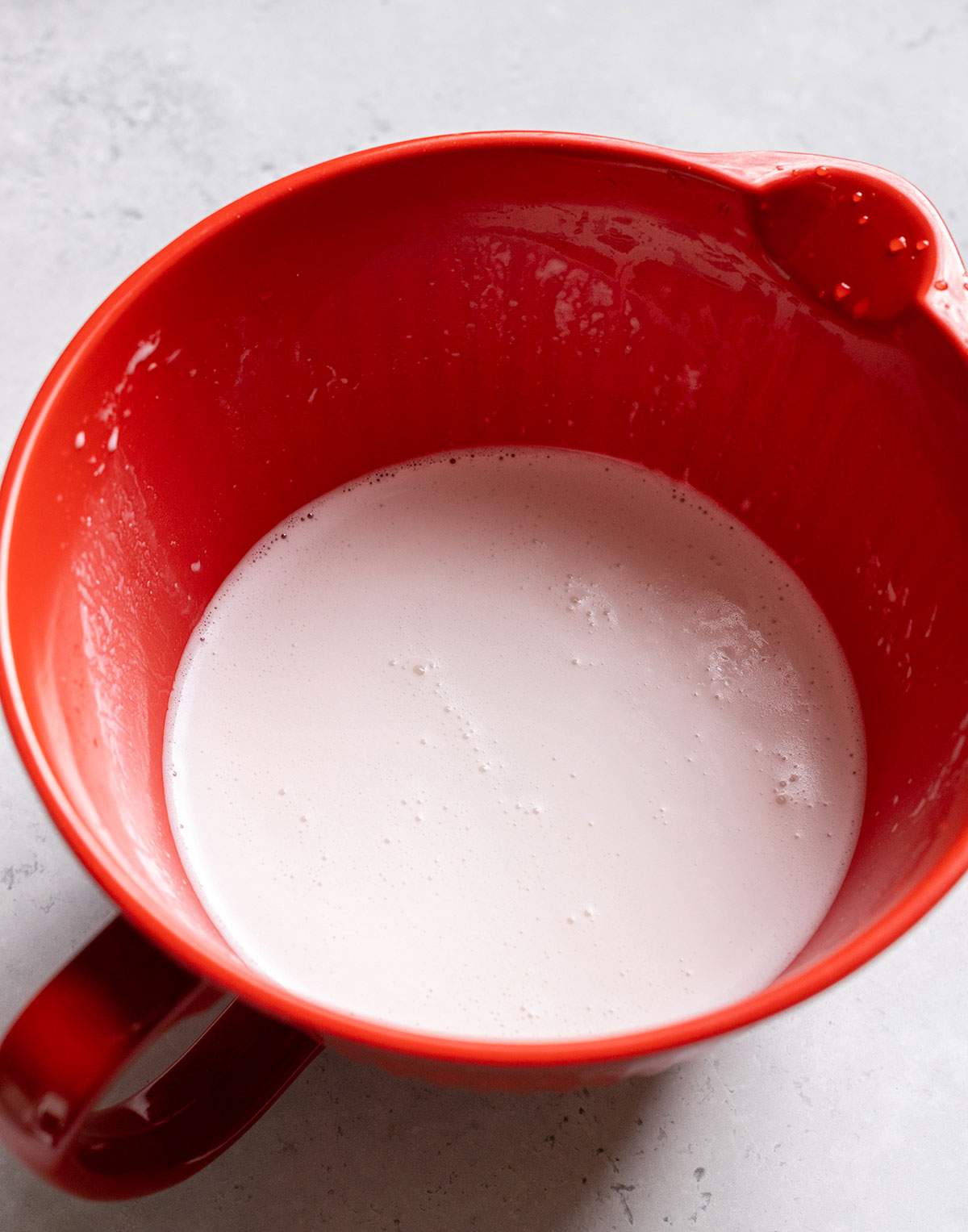
Step 4: Adjust the consistency
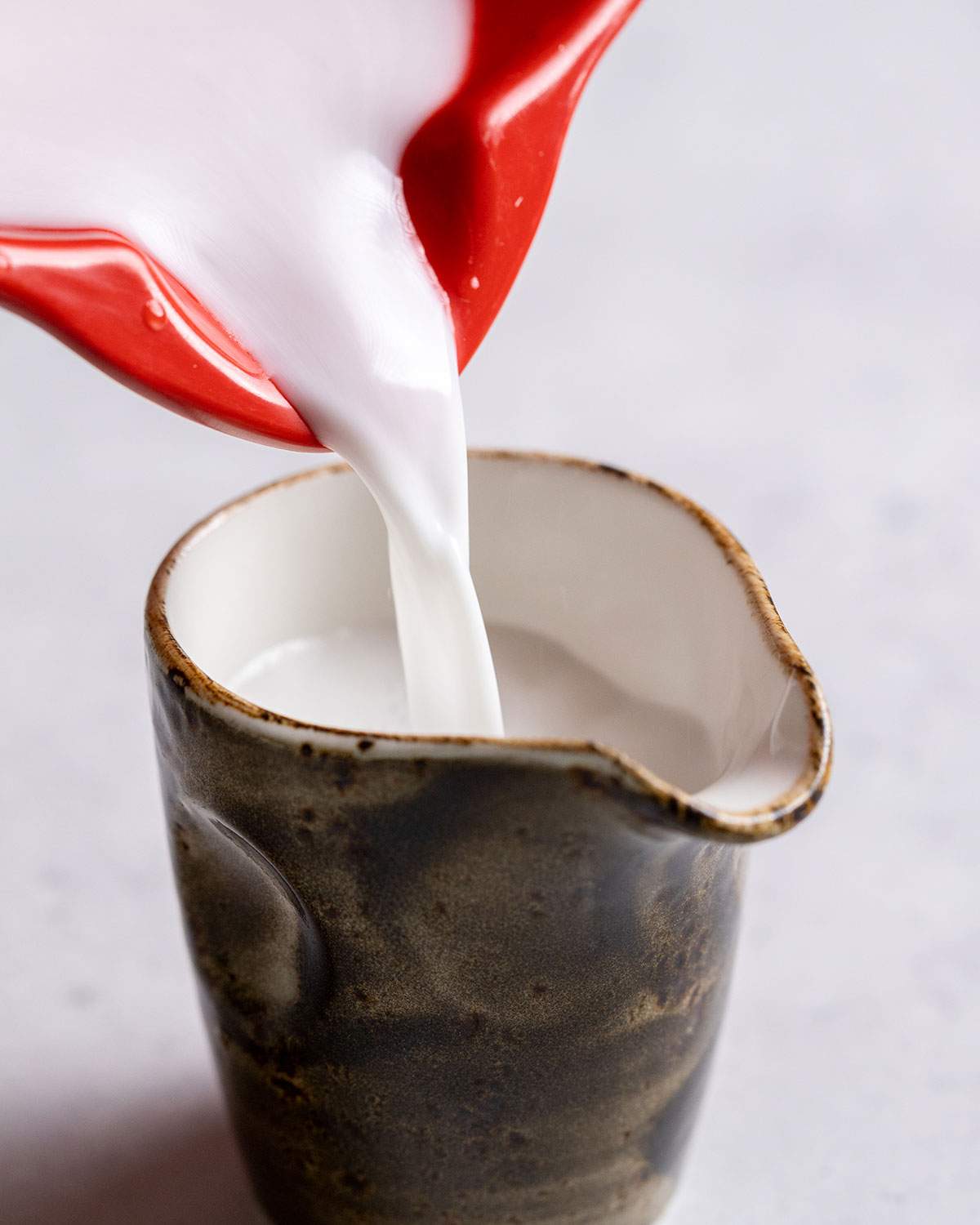
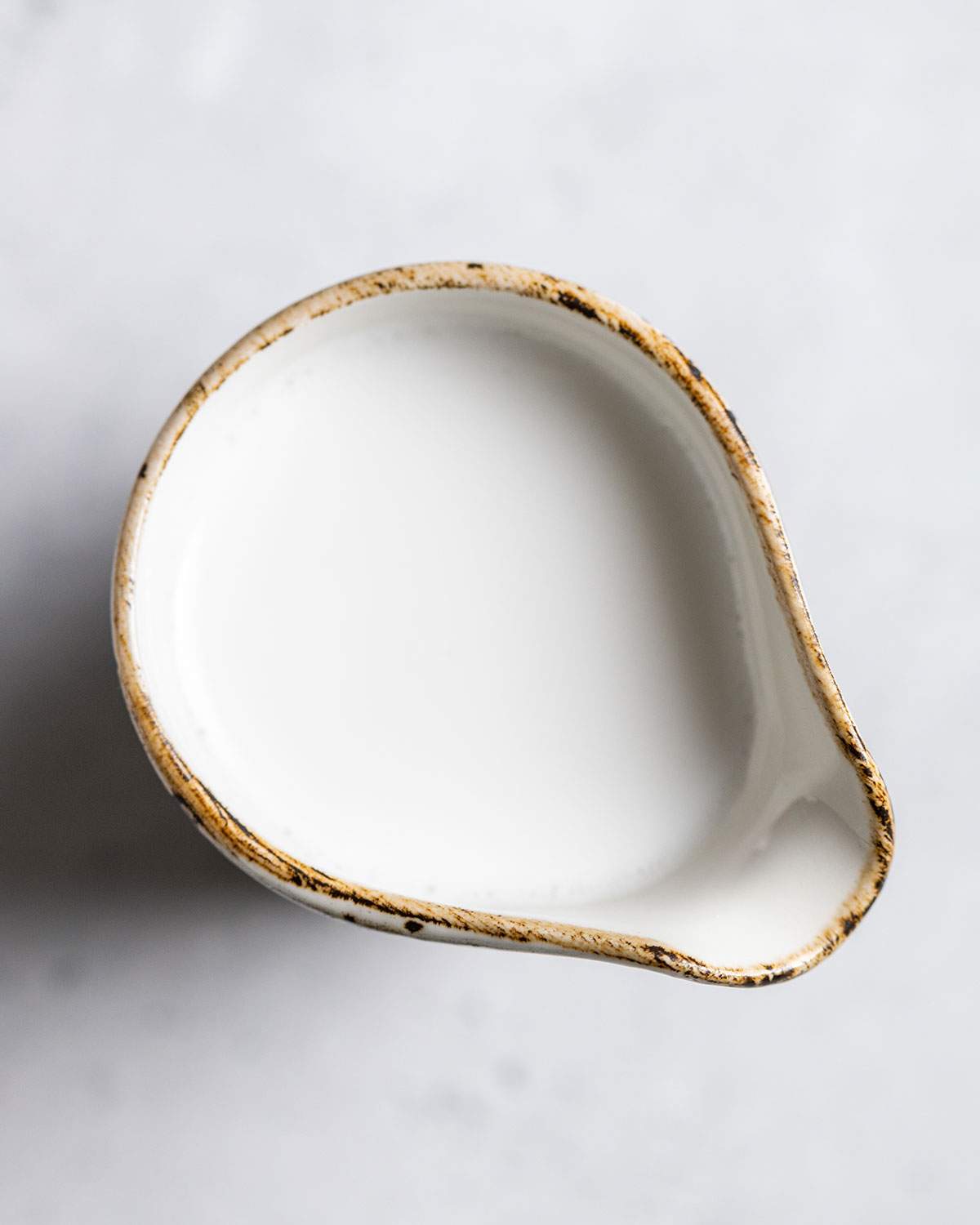
Use the coconut cream immediately or transfer it to an airtight container.
The cream may thicken further as it cools. For a thinner consistency, stir in a small amount of warm water, one tablespoon at a time.
For thicker coconut cream, begin with slightly less water or refrigerate it before using.
💡 Romy's Recipe Tips
Use unsweetened coconut: Sweetened coconut will change both the flavor and consistency of the finished cream.
Blend thoroughly: The finer the coconut becomes, the more flavor and richness you will extract.
Do not overfill your blender: Hot liquids expand and create steam. Blend in batches when necessary and follow the safety instructions for your particular blender.
Strain it while warm: The coconut oils are more fluid while the mixture is warm, making the cream easier to strain.
Add extra water gradually: It is easy to thin coconut cream, but rather more annoying to make it thick again. Start with less and add more only when needed.
Expect some separation: Homemade coconut cream does not contain the stabilizers found in many canned products. Separation in the refrigerator is completely normal; simply stir or blend it again.
Do not rely on it for whipping: Homemade coconut cream made from shredded coconut may not whip as reliably as chilled canned coconut cream. Use it primarily as a cooking or baking ingredient.
🍛 How to Use Coconut Cream
Homemade coconut cream works particularly well in recipes where it is stirred into a sauce, curry, soup or dessert.
Use it as-is when a recipe calls for coconut cream, or thin it with a little water when replacing full-fat coconut milk.
📌 If you love Pinterest you can pin any of the images to your boards!
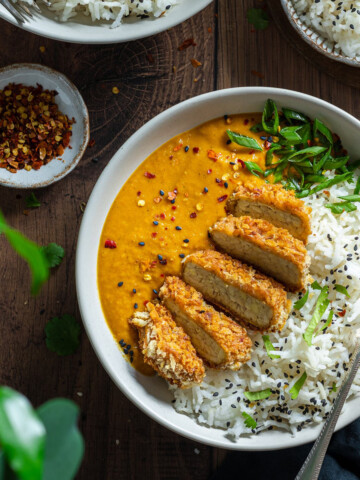
Try it in my vegan katsu curry, where coconut cream gives the blended carrot curry sauce its smooth, creamy finish.
You can also thin the cream with water and use it in my creamy butter bean curry or one-pot coconut curry pasta in place of the canned coconut milk. Both recipes use coconut milk to create a rich, creamy sauce, so adjust the added water until your homemade cream has a similar pourable consistency.
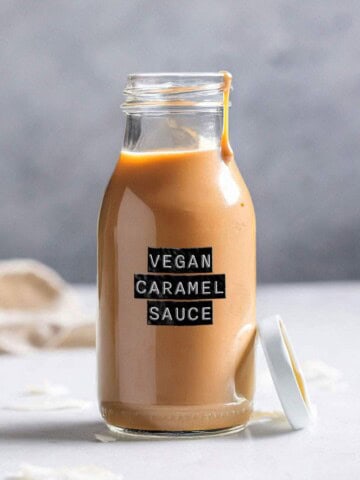
For something a little different, add it to my butter beans alla vodka for an extra-creamy tomato sauce, or use it to make this vegan caramel sauce. When substituting it for coconut milk in desserts, begin with slightly less coconut cream and add more as needed, since the homemade version may be thicker.
It is also great for:
- Curries, dhal and creamy soups
- Pasta and noodle sauces
- Smoothies and oatmeal
- Homemade ice cream
- Pie, tart and pudding fillings
- Hot chocolate and coffee drinks
For savory recipes, add the cream gradually and simmer until it has blended into the sauce.
For desserts, allow it to cool before mixing it with temperature-sensitive ingredients.
❄️ Storage and Freezing
Transfer the coconut cream to a clean airtight container and store it in the refrigerator for up to three days.
It will naturally thicken and may separate as it sits. Stir it thoroughly before using, or briefly blend it again if you want an especially smooth texture. Similar homemade coconut cream recipes generally recommend using it within three to four days.
You can also freeze coconut cream in small containers or an ice cube tray. Once frozen, transfer the portions to a freezer-safe container and use them within approximately two months for the best quality.
Defrost the coconut cream in the refrigerator. It may appear slightly separated after freezing, but usually comes back together after stirring or blending.
❓ Frequently Asked Questions
Yes, although it produces a different result.
Place a can of full-fat coconut milk in the refrigerator overnight, then scoop the thick coconut solids from the top. This works particularly well when you want to make whipped coconut cream.
The recipe on this page makes fresh, pourable coconut cream by blending shredded coconut with hot water.
Yes. Make sure the coconut flakes are unsweetened.
Large flakes may need to soak for slightly longer and will usually require more blending than finely shredded or desiccated coconut.
The most likely reason is that too much water was added. You can refrigerate the cream to help it thicken or use it as coconut milk instead. Next time, begin with less water and add more only after blending.
Separation is normal in homemade coconut cream.
The coconut fat may rise to the top while the more watery liquid settles underneath. Stir, whisk or blend it before using.
This version is not guaranteed to whip because the fat content can vary depending on the coconut and the amount of water used.
For whipped coconut cream, use chilled canned coconut cream or the thick solids from a can of refrigerated full-fat coconut milk.
No. Coconut cream is unsweetened, while cream of coconut contains added sugar and has a syrupy consistency.
They should not be used interchangeably in savory recipes.
Yes. Gradually blend in additional water until the coconut cream reaches your preferred consistency.
The strained coconut pulp can be added to smoothies, oatmeal, granola, energy balls or baking recipes.
You can also spread it on a baking sheet and dry it in a low oven before storing it for later.
Did you make this recipe? If so, will you do me a huge favor and leave a review and star rating & let me know how you liked this recipe? THANK YOU! ❤️
🔜 More Recipes Using Coconut Cream


Here's a handy recipe card that you can print out and keep in your kitchen for easy reference:
📖 Recipe Card
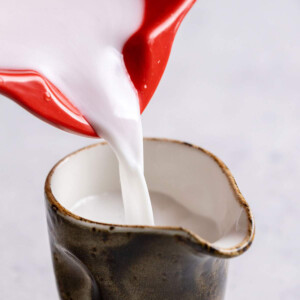
Homemade Coconut Cream

Equipment
- blender
- Fine-mesh strainer or cheesecloth
- Jar or airtight container
Ingredients
- 2 cups raw coconut chips or desiccated coconut about 200 g
- 3 cups water 720 ml
Instructions
- Soak the coconut chips in water for at least 30 minutes.
- Drain and rinse well.
- Blend the coconut chips with fresh water until smooth and creamy.
- Pour through a fine-mesh strainer or cheesecloth to remove bits.
- Transfer to a jar or airtight container and refrigerate.
Notes
- Store in fridge up to 1 week or freeze up to 6 months.
- Perfect as a thick, creamy addition to both sweet and savory dishes.
- Use unsweetened coconut to avoid altering flavor.
© 2026 Romy London / Romina Callwitz | All images, videos, wordings and content are copyright protected and belong to Romina Callwitz. Please do not use any of my content without prior permission. If you wish to re-publish any (part of my) content, please get in touch via email. Thanks for your support!
*Disclosure: This page may contain affiliate links and sponsored links that earn me a small commission, at no additional cost to you. You can find more information in my Privacy Policy.
💭 Leave a Comment