


Sweet potatoes can look totally fine on the outside... and still be bad inside (rude, I know). But how to tell if a sweet potato is bad?
If you're standing in your kitchen right now wondering "can I still use this?" - here's the quick answer:
QUICK ANSWER: Is my Sweet Potato Bad?
✅ Usually still OK if it's...
- firm and dry
- smells earthy/neutral
- has smooth, normally colored flesh
- has very light wrinkling but is still firm
⚠️ Use soon or inspect more closely if it's...
- slightly wrinkled and beginning to dry out
- has a small bruise or damaged patch
- has started sprouting
- has a dry or discolored end
❌ Throw it away if it's...
- slimy, sticky or leaking
- very soft or collapsing
- covered in mold (white/green/black fuzz)
- smells sour, fermented or rotten
- has widespread dark, mushy or rotten areas inside
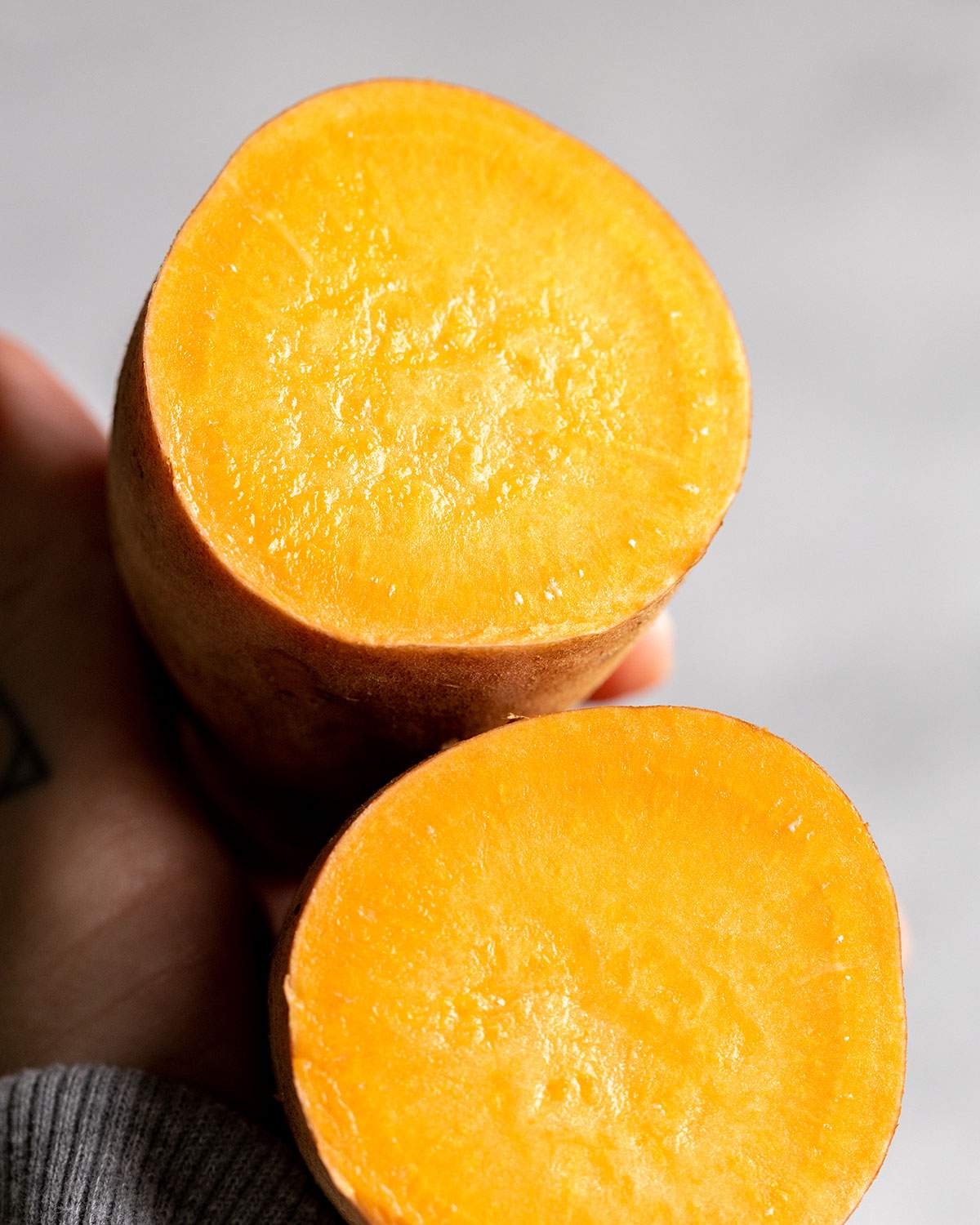
Still unsure? Cut it open -> check the inside (photos below).
As a recipe developer I cook with ingredients like sweet potatoes all the times, which means I've also cut open plenty that were... questionable 😅
Let me show you exactly what to look for (with photos), plus how to store them properly so they last longer.
Jump to:
- QUICK ANSWER: Is my Sweet Potato Bad?
- 🔎 Signs of a Bad Sweet Potato
- 🥔 Why Is My Sweet Potato White Inside?
- White Spots in Sweet Potatoes
- Sprouted Sweet Potatoes
- 💡 What to Do With a Bad Sweet Potato
- 🤔 What Happens If You Eat a Bad Sweet Potato
- 🧺 Best Ways to Store Sweet Potatoes
- 💭 Frequently Asked Questions
- 🍠 Recipes to Use Up Sweet Potatoes
🔎 Signs of a Bad Sweet Potato
It's essential to know the first signs of spoilage to avoid consuming rotten sweet potatoes.
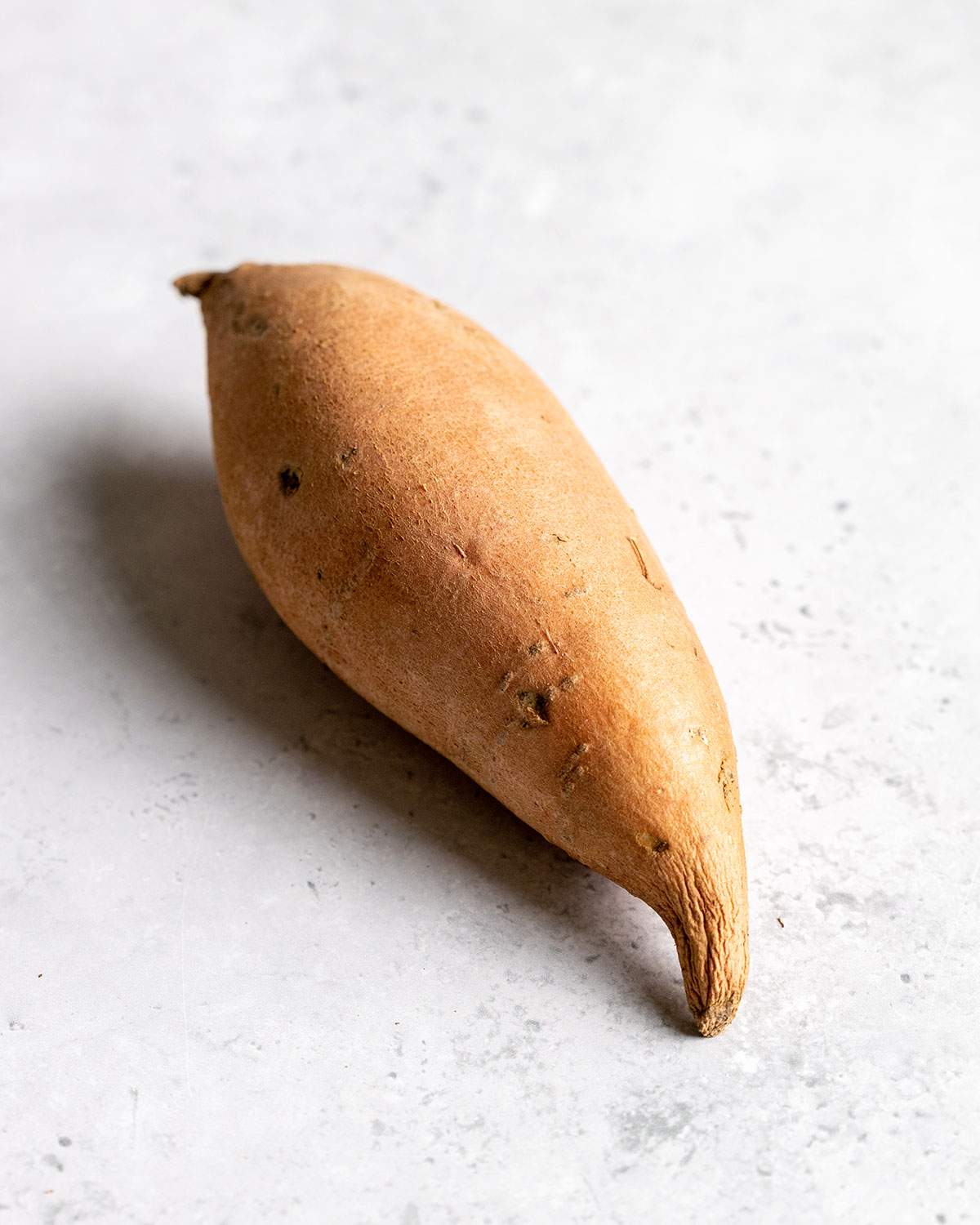
Start by checking the sweet potato’s firmness, smell and overall condition. A good sweet potato should feel firm and dry, but it does not need to have completely flawless skin. Small scuffs, shallow bruises, a dry end or light wrinkling can be quality issues rather than signs that the whole sweet potato is spoiled.
If you notice milky white liquid after cutting into the sweet potato, this is usually natural sap made up of water, starches and sugars. It is not, by itself, a sign of harmful bacteria or spoilage.
Look at the signs together rather than judging the sweet potato by one minor mark alone.
Here are some additional signs that indicate your sweet potato has gone bad:
- Softness: A small, firm bruise or damaged patch may be cut away. Discard the sweet potato if it is very soft, mushy, collapsing, sticky or leaking.
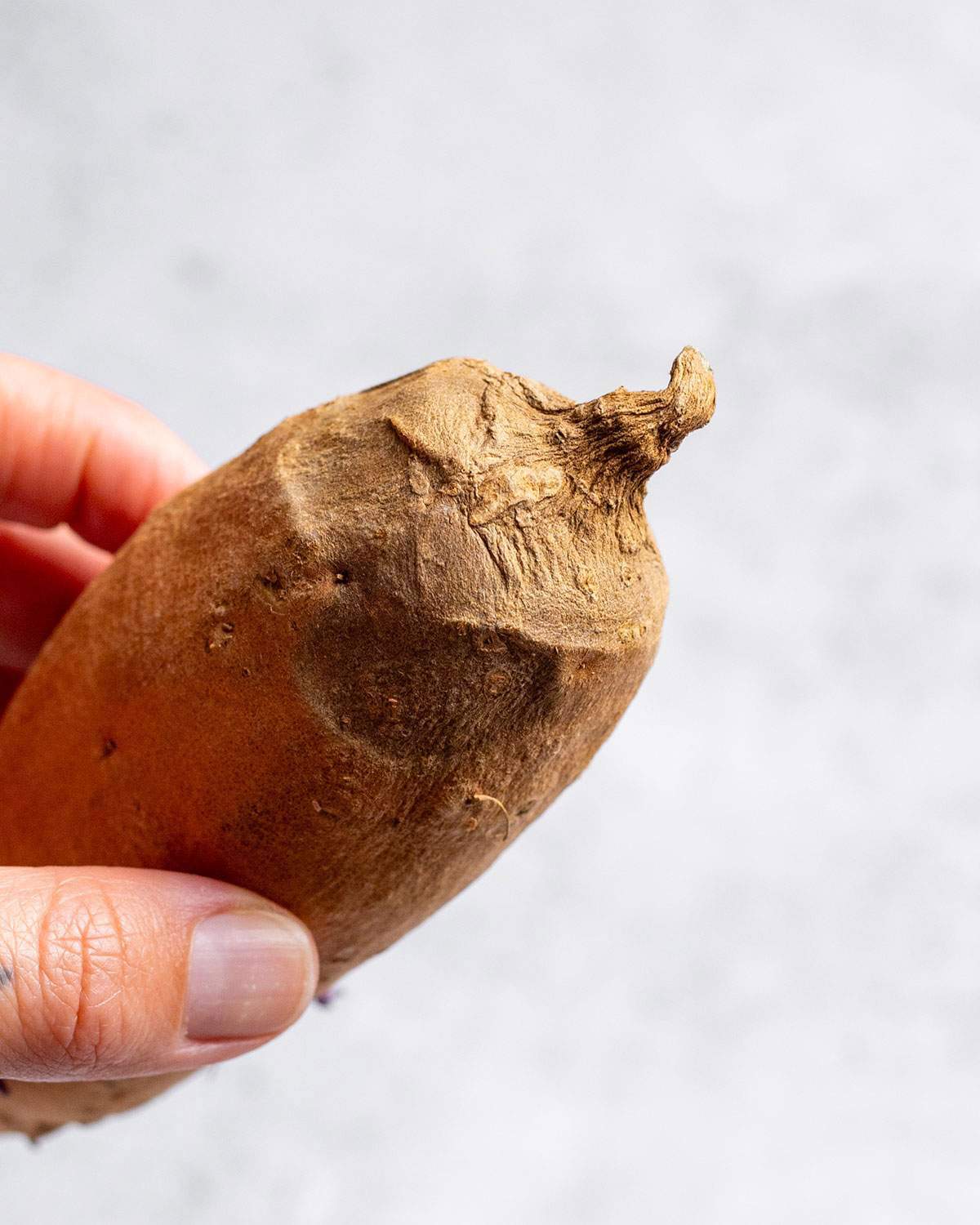
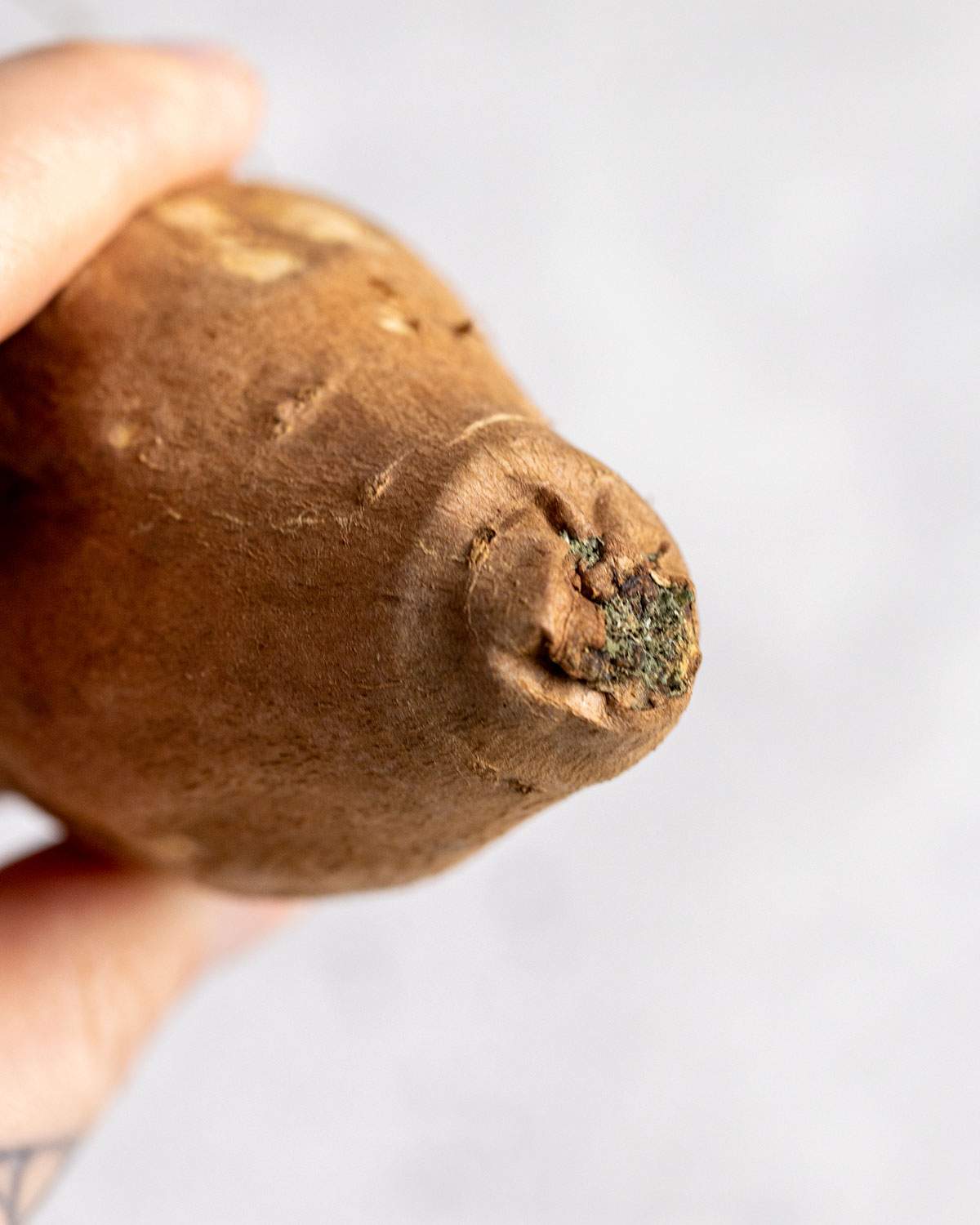
- Wrinkles or Shrinking: Slight wrinkling usually means the sweet potato is losing moisture. It may still be usable if it remains firm and smells normal. Deep shrivelling combined with softness, wet patches or an unpleasant smell is a reason to throw it away.
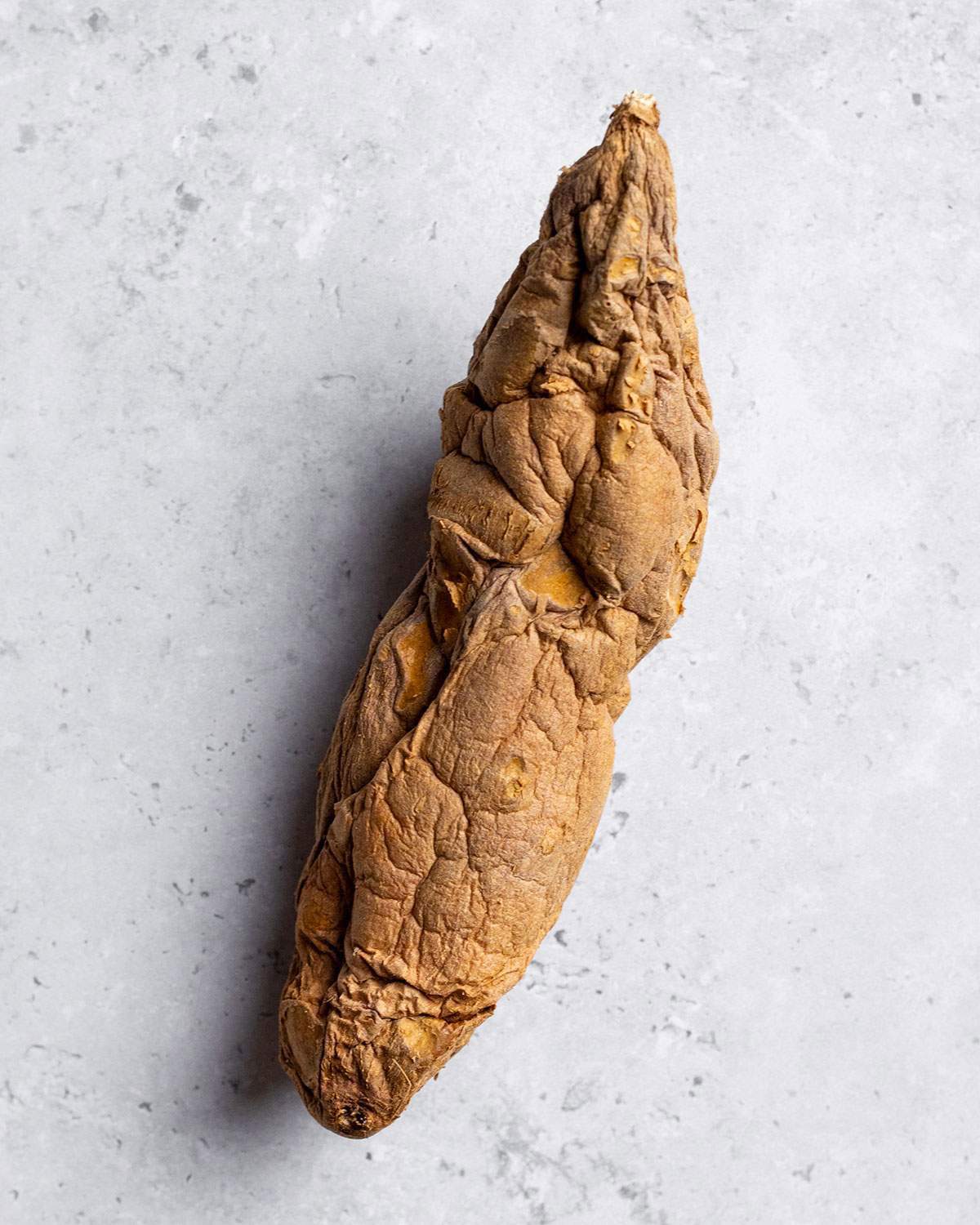
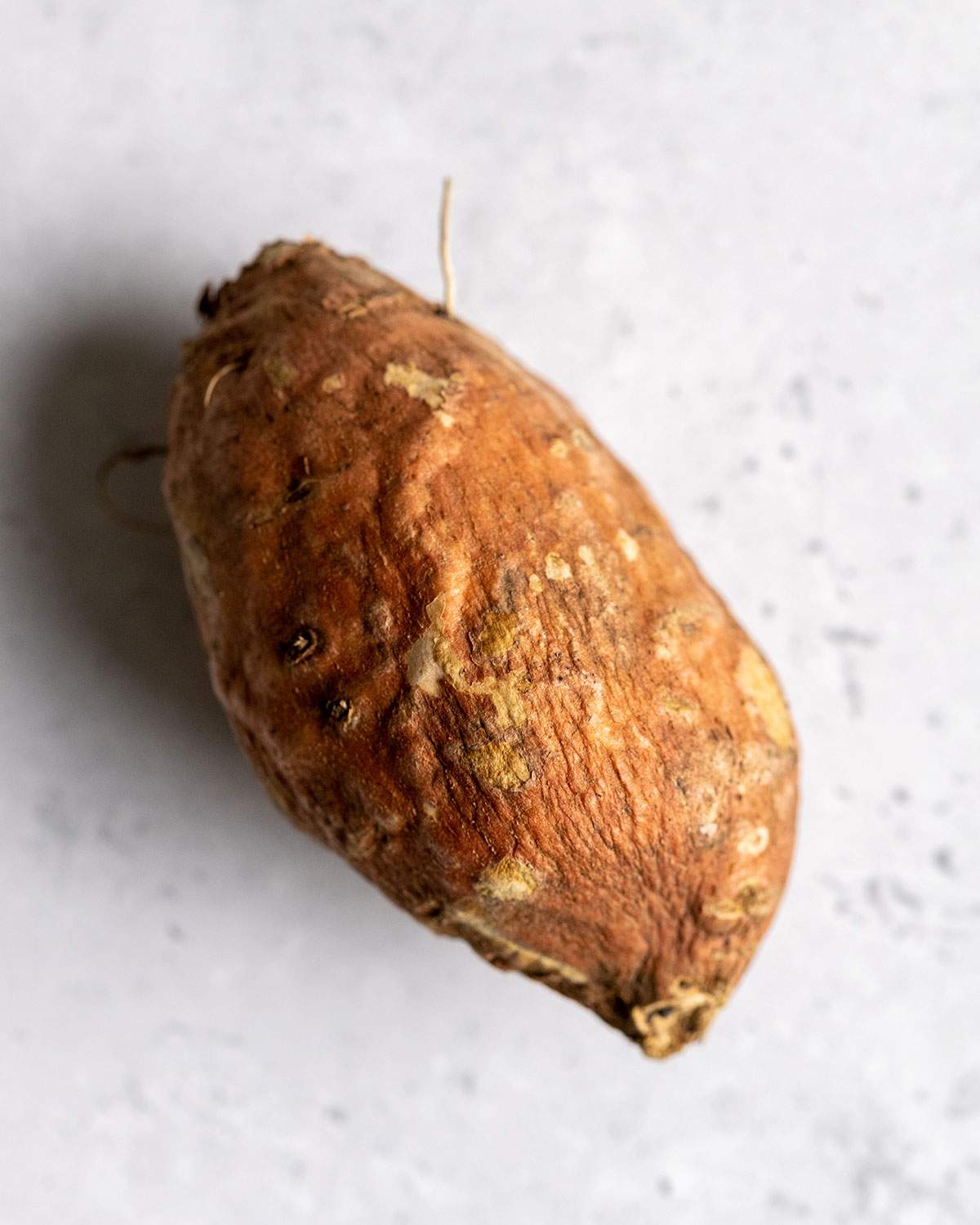
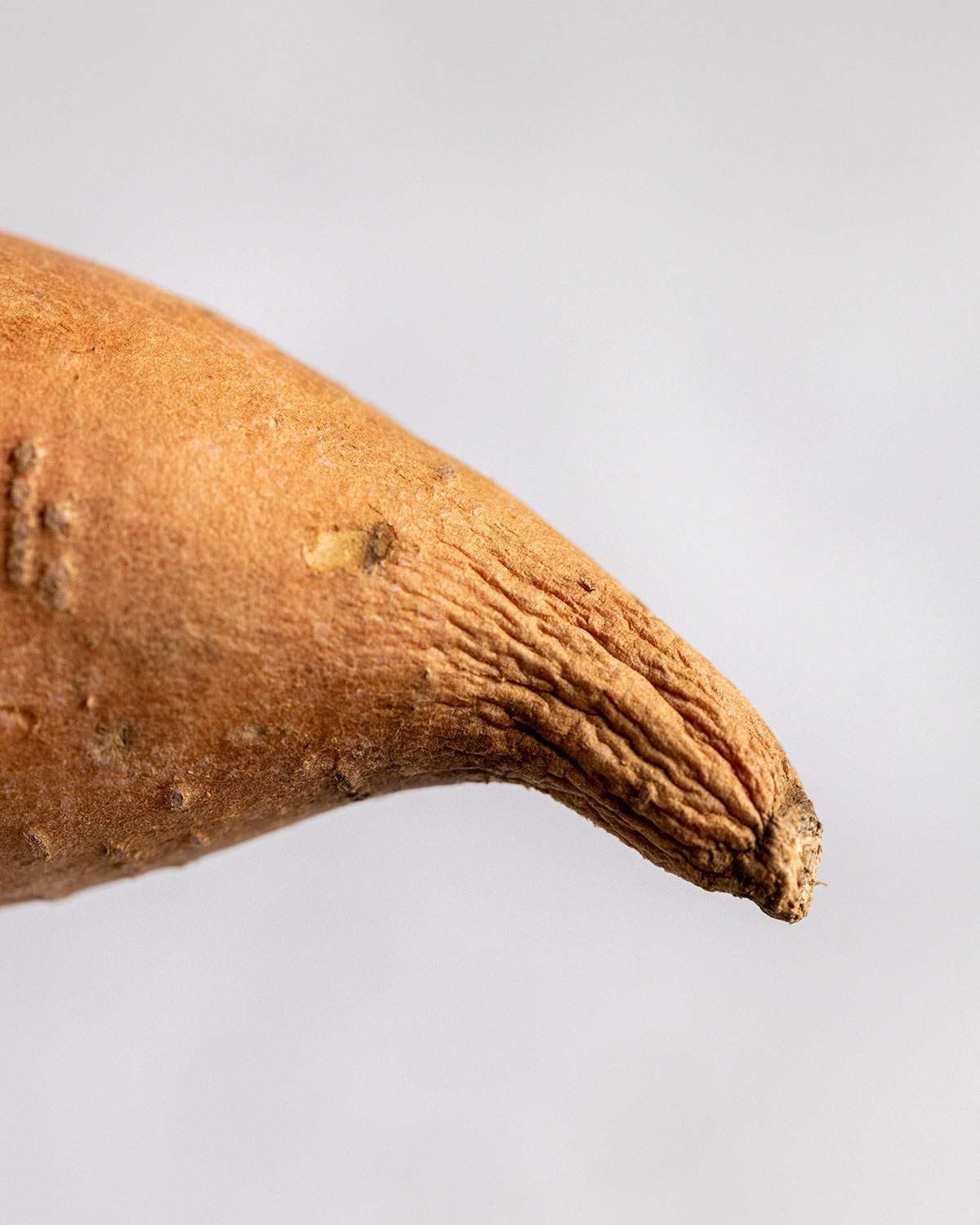
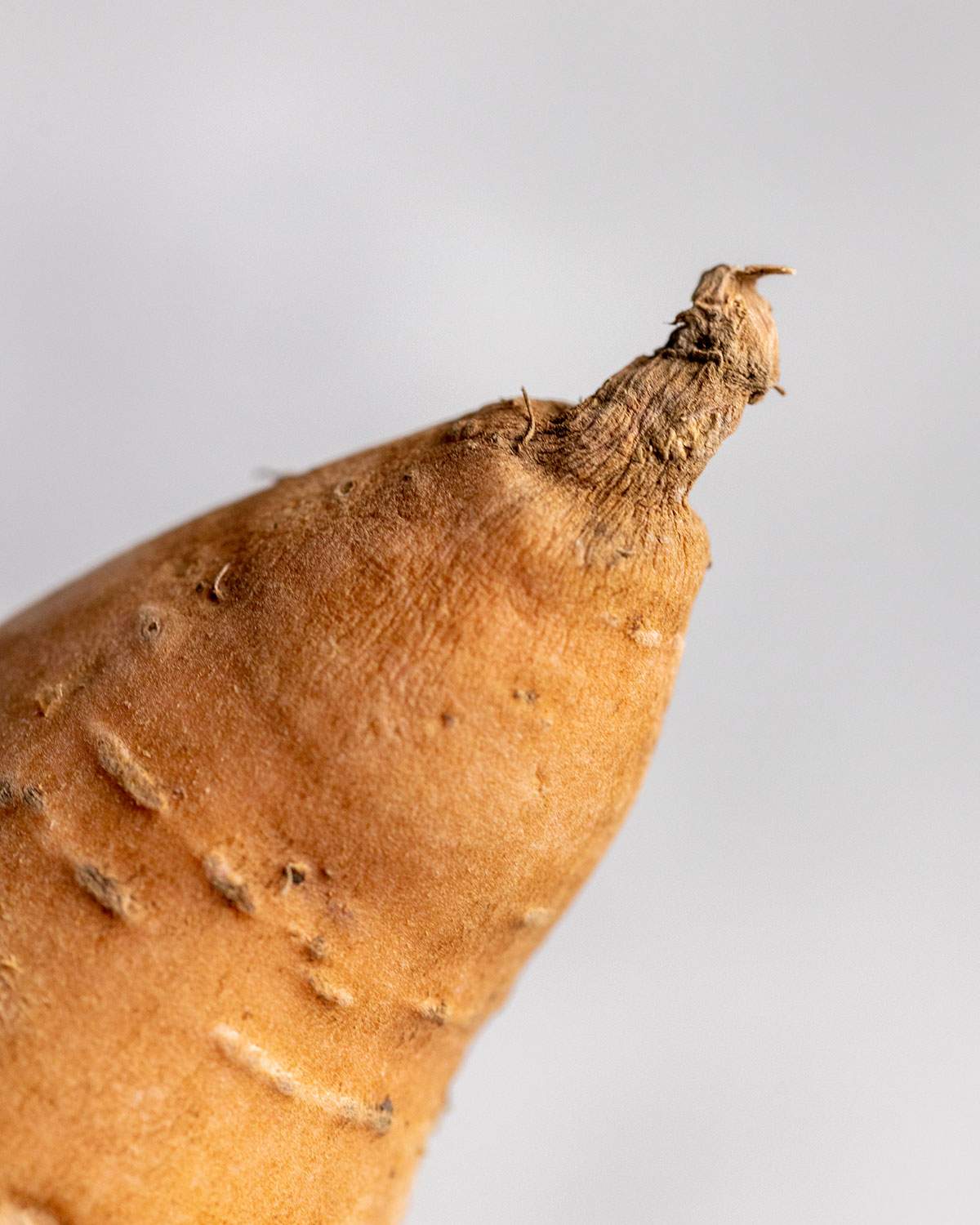
- Discoloration: A dry surface mark or shallow bruise does not necessarily mean the entire sweet potato is spoiled. Cut it open and inspect the flesh. Wet, spreading, mushy or foul-smelling dark areas indicate decay.
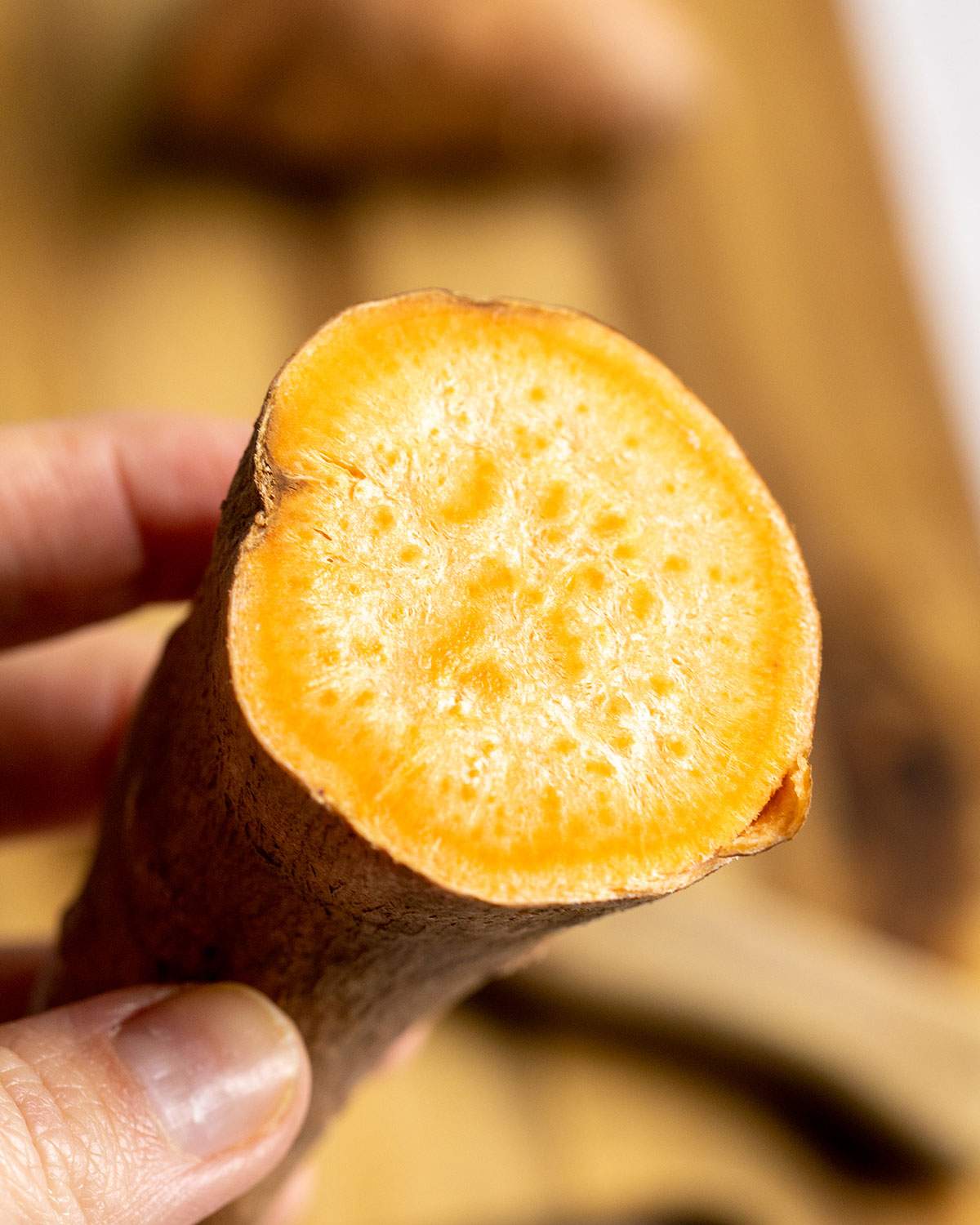
- Smell: A fresh sweet potato should smell mild, earthy or neutral. Discard it if it smells sour, fermented, musty or rotten.
- Mold or unusual growth: Visible fuzzy mold is a clear reason to discard the sweet potato.
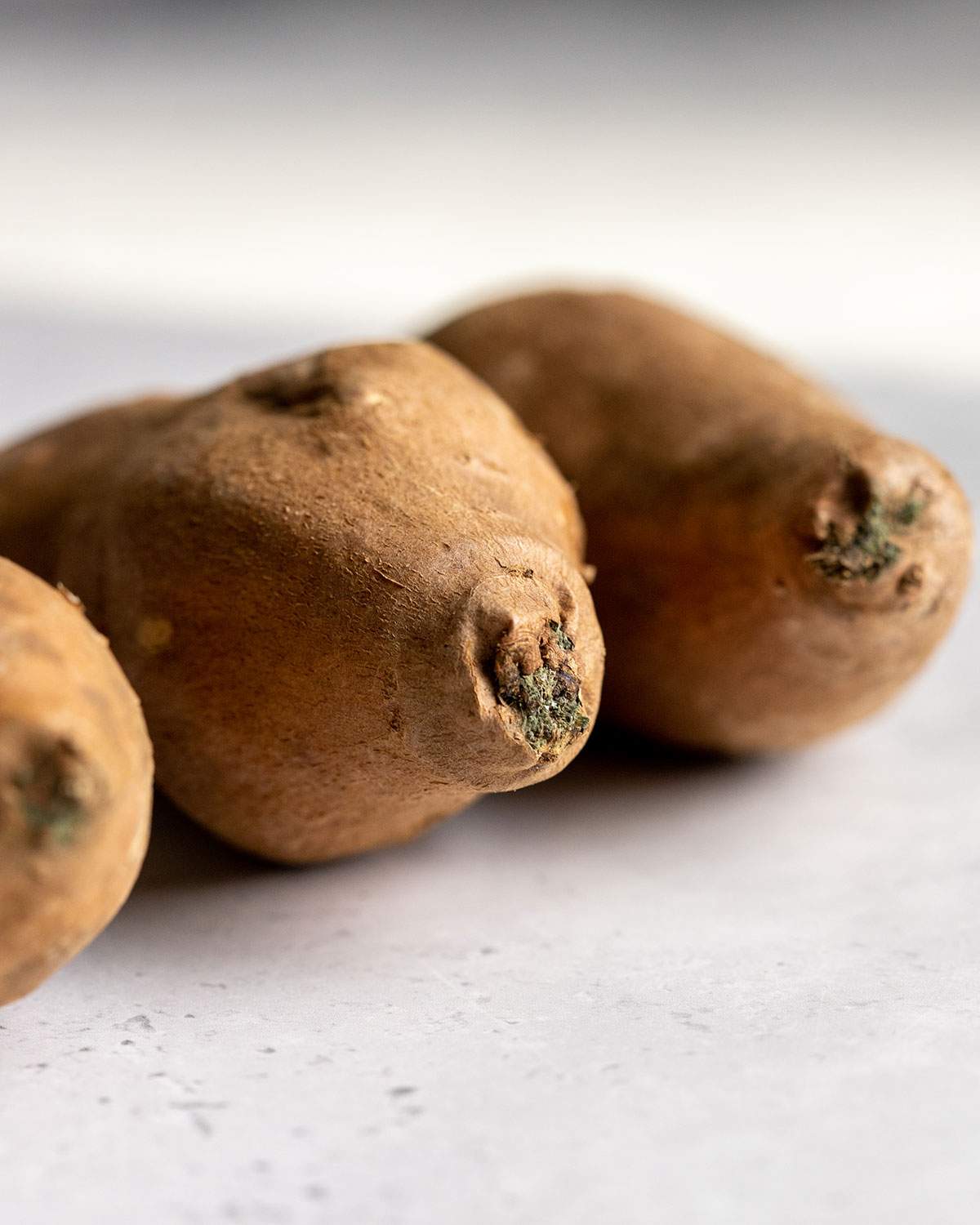
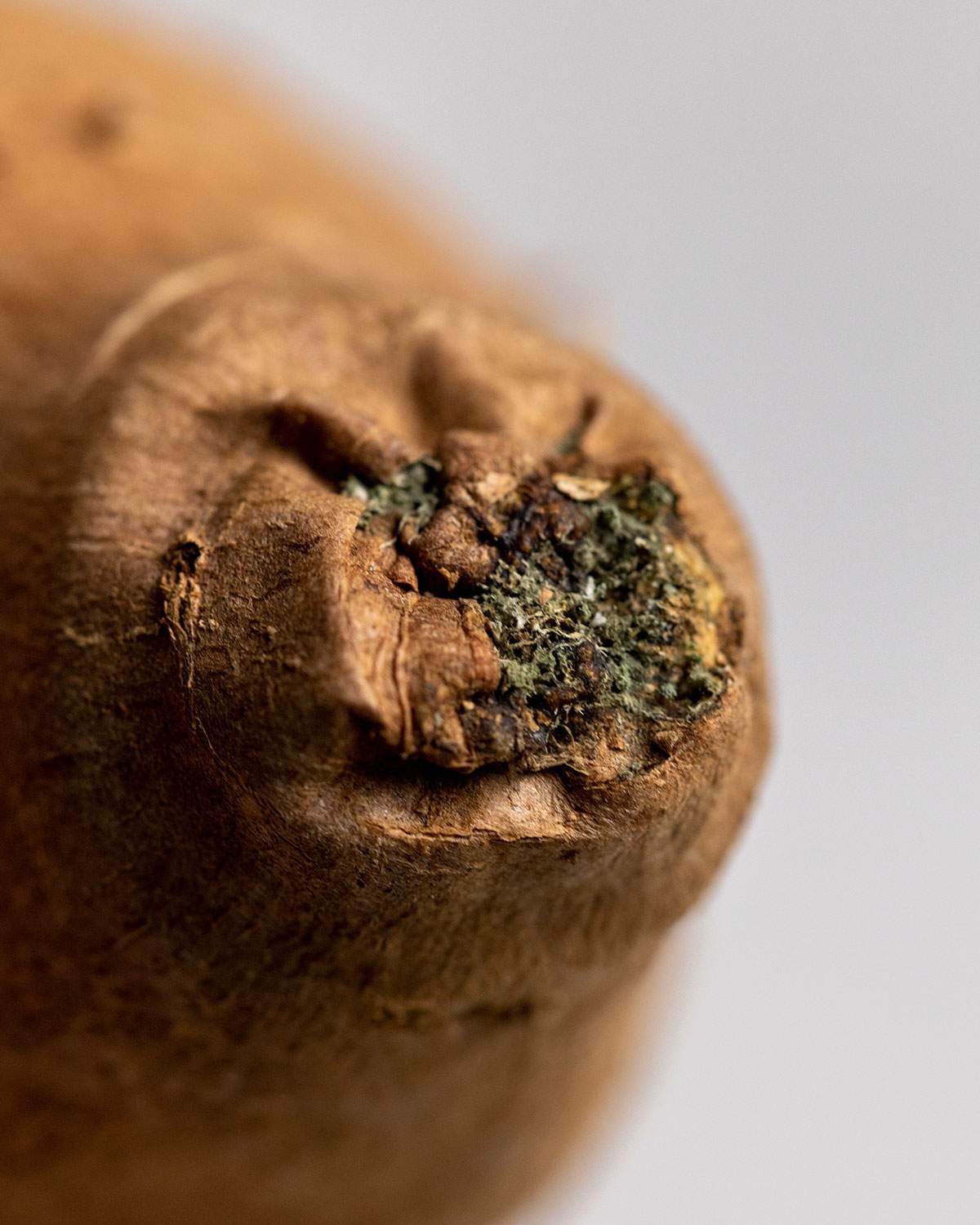
One mild quality issue, such as light wrinkling or a small dry bruise, does not automatically mean the sweet potato has gone bad. Discard it if you find mold, slime, leaking liquid, a sour smell or widespread soft, wet or rotten flesh.
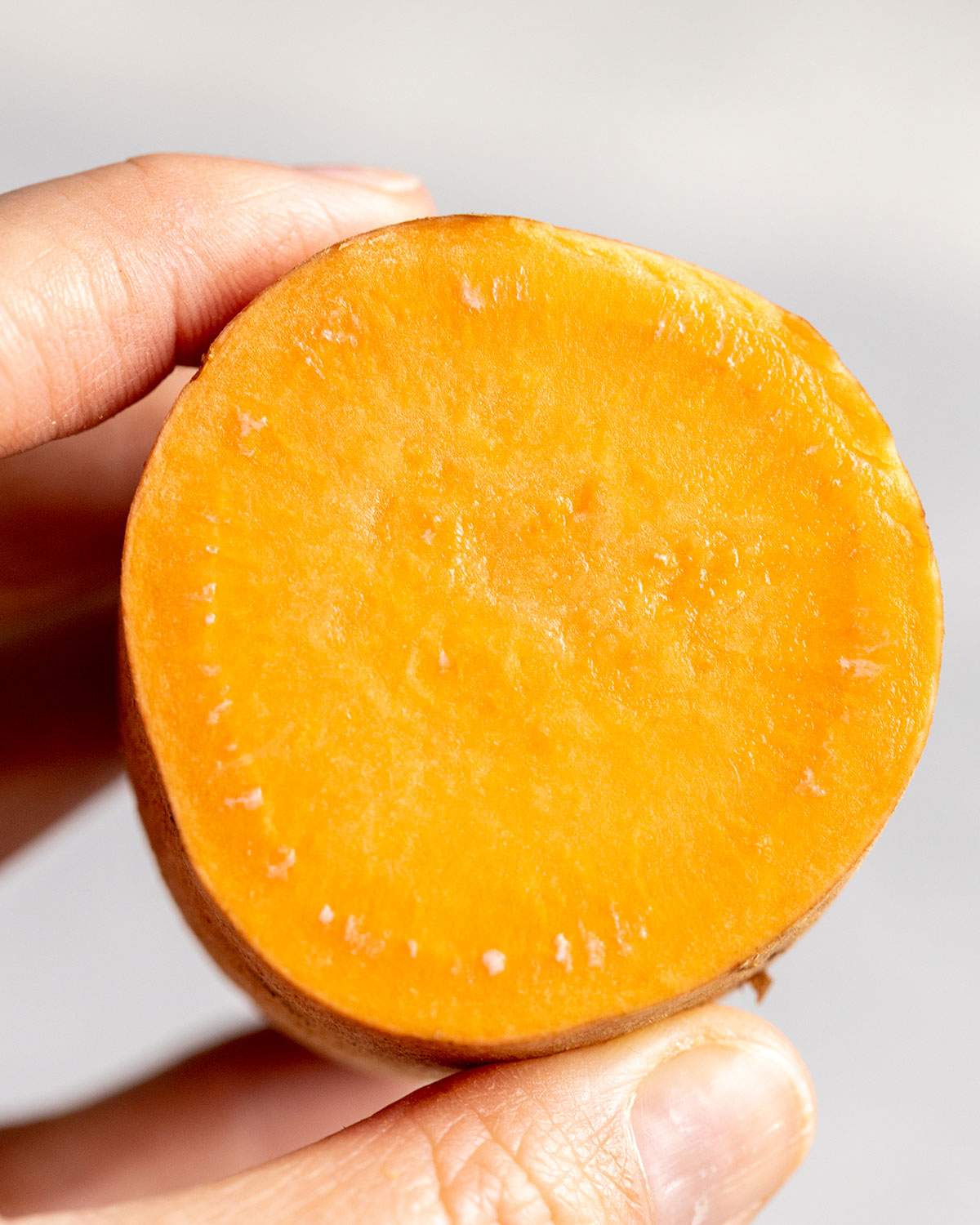
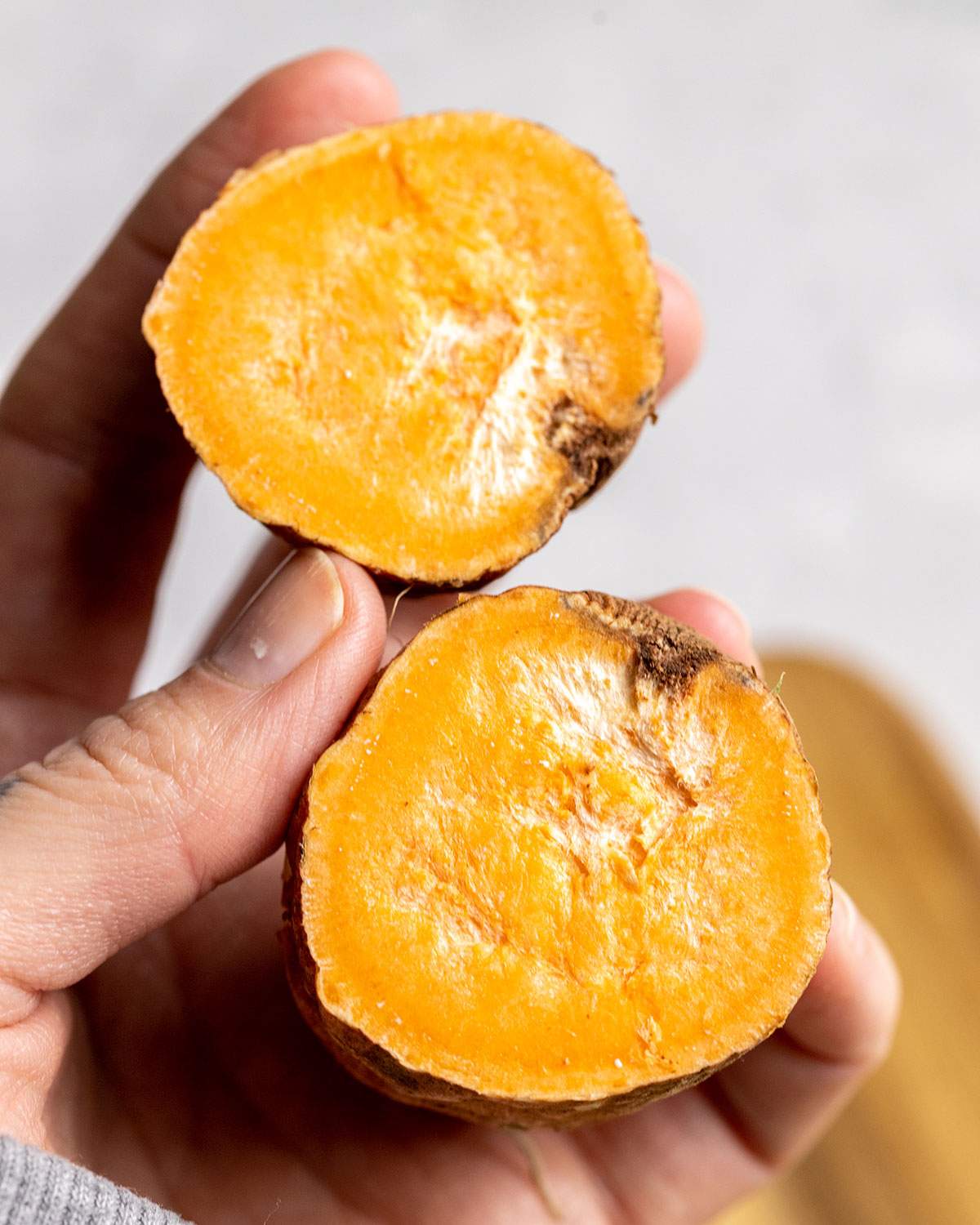
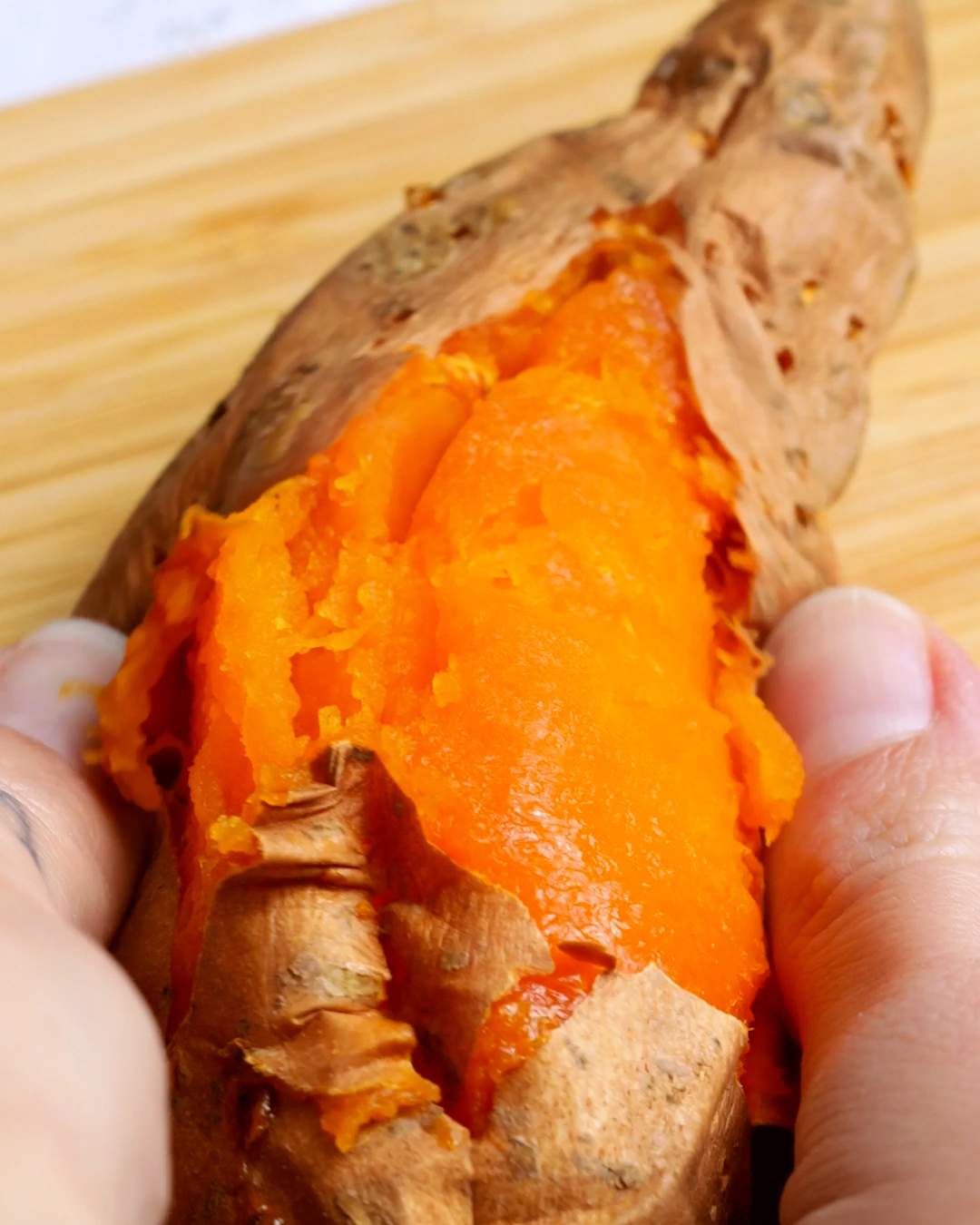
A good sweet potato on the inside.
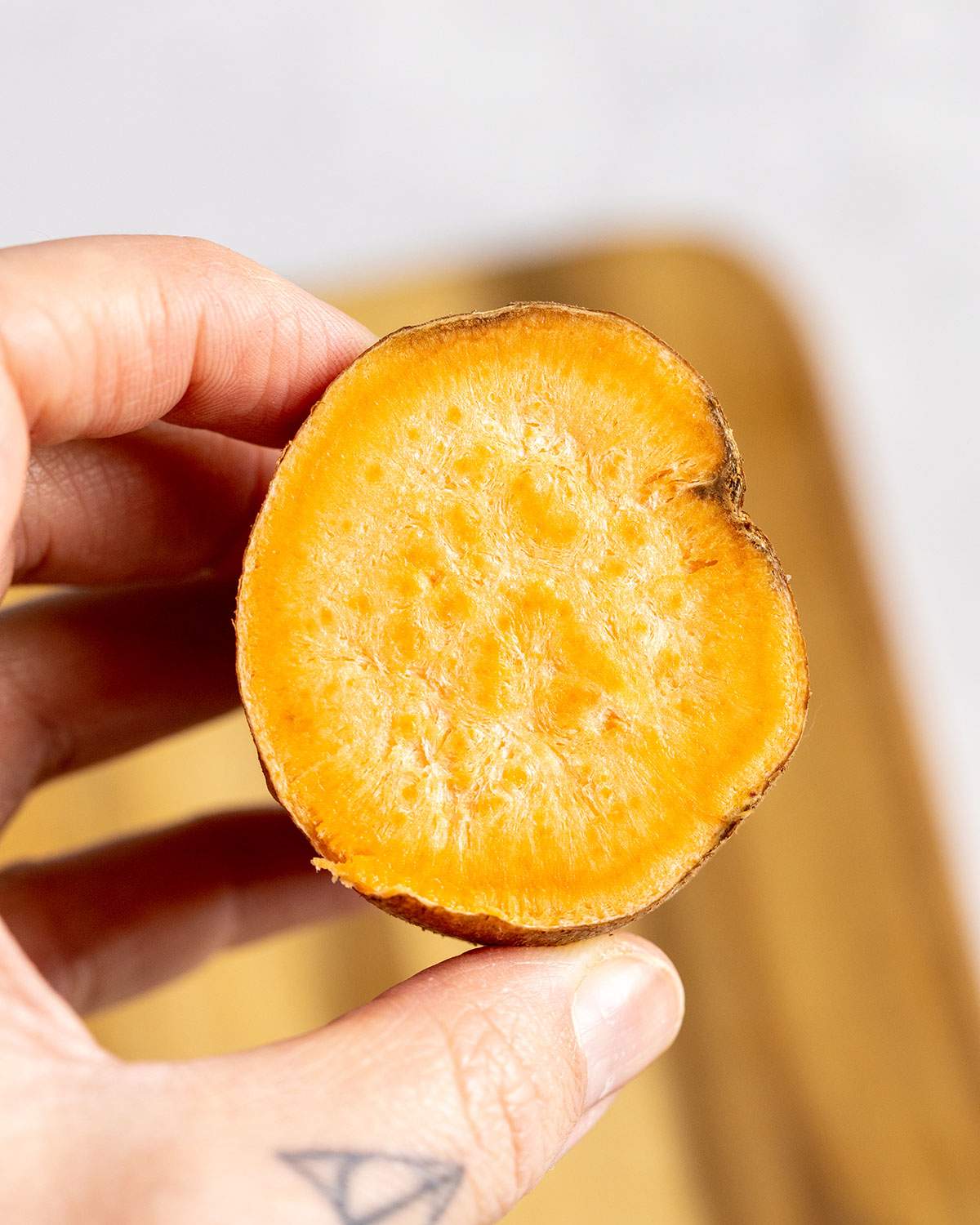
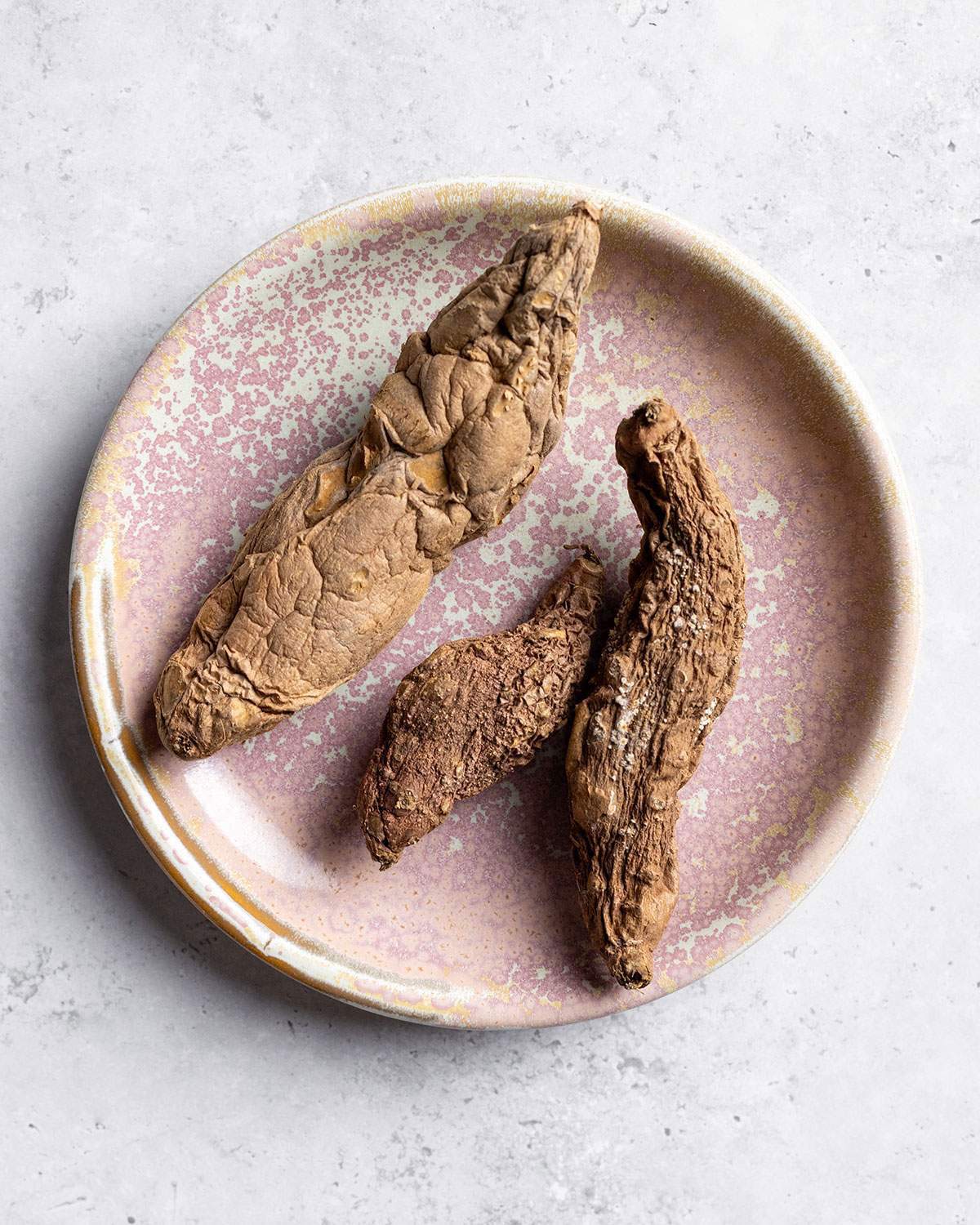
An older sweet potato with dry, pithy flesh. It may not have the best texture, but dryness alone does not necessarily mean it is unsafe.
🥔 Why Is My Sweet Potato White Inside?
If you cut open a sweet potato and notice white flesh instead of orange, don’t panic - it’s usually nothing to worry about. Some sweet potato varieties are naturally white inside, while others can develop lighter patches due to starch concentration as they age.
White Spots in Sweet Potatoes
If you notice white spots inside your sweet potato, you might be wondering if it's still safe to eat. These white spots can be caused by a few different things:
- Starch Concentrations - Small white spots or patches are often just concentrated areas of starch, which are completely harmless and safe to eat. These naturally occur in sweet potatoes.
- Pithy Tissue - Sometimes white spots appear as the sweet potato ages. This is called "pithiness" and results in a drier, spongier texture with white patches. While not harmful, the taste and texture may be less appealing.
- Mold Growth - If the white spots are fuzzy, growing on the surface, or have an off smell, this indicates mold. Moldy sweet potatoes should be discarded immediately.
When examining white spots, use both visual cues and your sense of smell.
If the sweet potato smells normal and the white spots appear to be internal starch spots, it's usually fine to eat.
However, if there's any doubt or if the white areas are accompanied by other signs of spoilage like softness or an off smell, it's best to discard the sweet potato.
🤔 Why Is My Sweet Potato White and Orange Inside?
When your sweet potato has both white and orange flesh, that’s often just a sign of natural variation between varieties - or sometimes two different types stored together. It’s completely safe to eat as long as it smells fresh and the texture is firm.
If it looks patchy or uneven, check for other signs of spoilage (like mold, soft spots, or a sour odor). Otherwise, you’re good to go!
Remember: if the white spots appear alongside other signs of spoilage mentioned above, it's safest to throw the sweet potato away rather than risk food poisoning.
Sprouted Sweet Potatoes
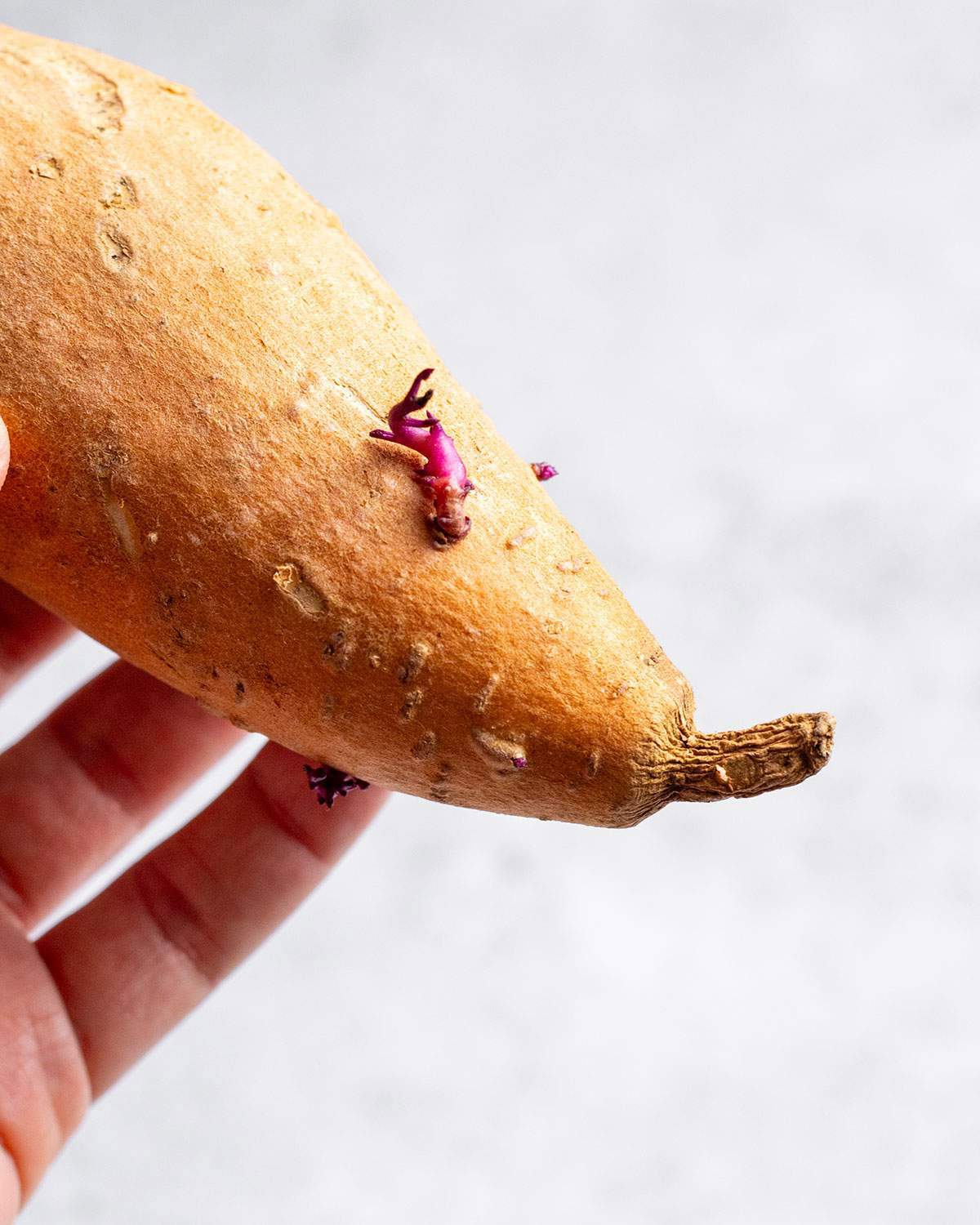
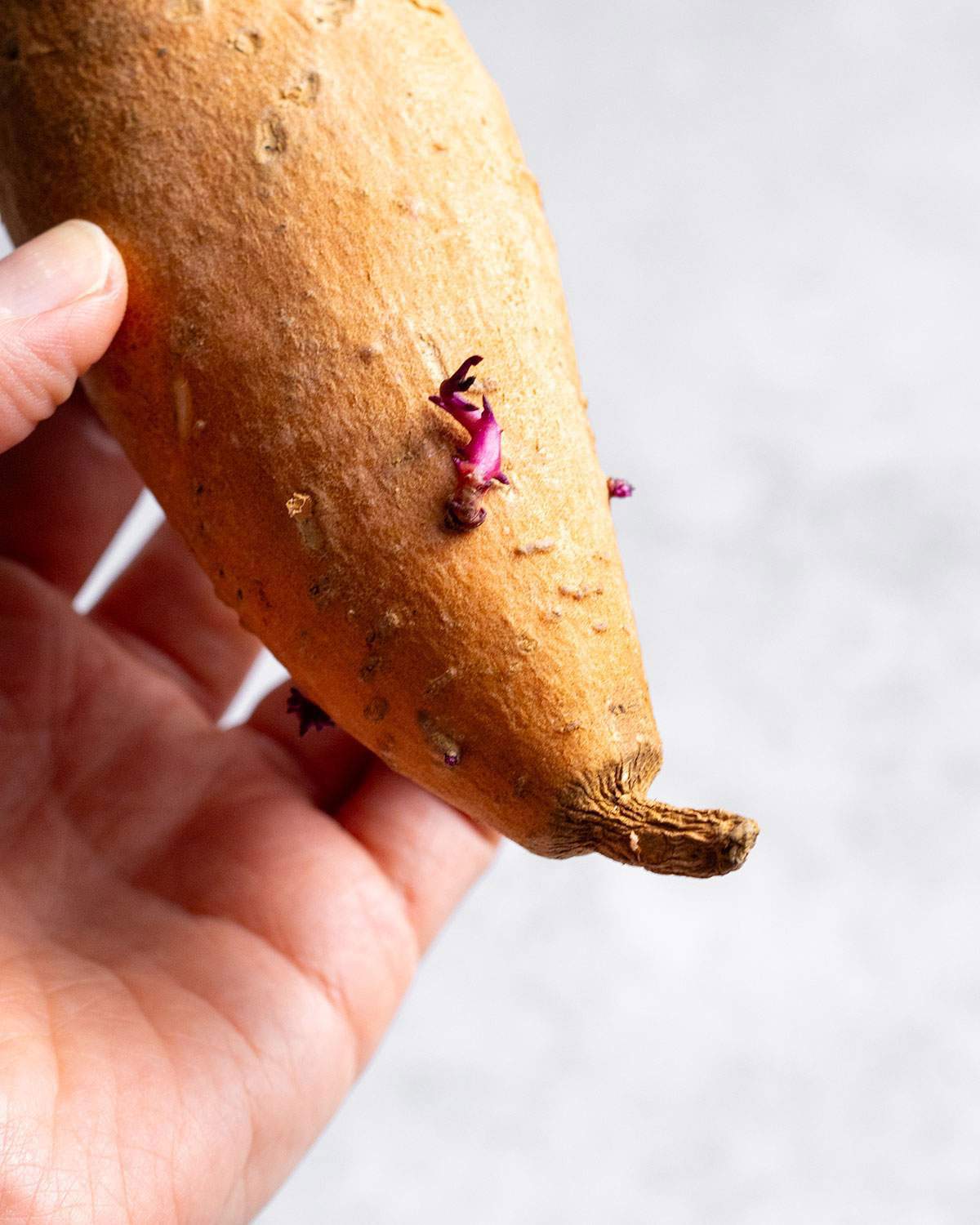
Sprouting alone does not mean a sweet potato is spoiled. If it is still firm, dry and free from mold or unpleasant smells, remove the sprouts and use the sweet potato soon.
Discard it if it is heavily sprouted and has also become very soft, deeply shrivelled, moldy, wet or sour-smelling.
💡 What to Do With a Bad Sweet Potato
Discard a sweet potato if it has mold, slime, leaking liquid, a sour or fermented smell, or widespread wet and soft decay.
A small dry bruise, scuff or damaged end may be cut away if the rest of the sweet potato is firm, dry and smells normal. Do not try to rescue a sweet potato affected by mold or spreading wet rot.
Spoiled sweet potatoes can go into your food-waste or compost collection where accepted locally. Otherwise, dispose of them with your household waste.
🤔 What Happens If You Eat a Bad Sweet Potato
Eating a bad sweet potato can lead to food poisoning, which isn't fun for anyone.
Symptoms of food poisoning can emerge a few hours to several days after eating a spoiled sweet potato and may include nausea, vomiting, watery or bloody diarrhea, abdominal pain, cramps, and fever. In severe cases, symptoms might also include chills, weakness, muscle aches, and sweating. Not worth the risk!
While most people recover from food poisoning within a few days, in some severe cases, it might require medical attention or hospitalization. It's always best to seek medical advice.
All in all, the risk of potential illness and discomfort far outweighs the benefits of consuming a questionable sweet potato.
It's always best to err on the side of caution and discard any sweet potatoes that show signs of spoilage.
If you’ve ever wondered about other pantry staples, here’s how to tell if your garlic has gone bad or onions have gone bad, too - they can show similar signs of spoilage!
🧺 Best Ways to Store Sweet Potatoes
To prevent your sweet potatoes from going bad, it's important to store them properly.
Here are some tips for storing fresh sweet potatoes:
- Dry Place: Like most root vegetables, the best storage place is a cool, dry area away from direct sunlight and moisture. A pantry or cupboard is the best option.
- Paper Bag: To keep sweet potatoes fresh longer, store them in a paper bag. This allows for air circulation, which helps prevent moisture build-up.
- No Refrigeration: Sweet potatoes should not be stored in the refrigerator, as the cool temperature can alter their taste and texture.
- Avoid Storing with Other Produce: Sweet potatoes should ideally not be stored with other produce, as they can release ethylene gas that can cause other produce to go bad more quickly.
- Do Not Wash: Do not wash sweet potatoes before storing. They should be kept dry until ready to use.
It's best to store sweet potatoes in a dry, cool, and dark place. The ideal temperature is between 55-60°F (12-15°C). It's therefore best to store sweet potatoes in a pantry or cupboard away from direct sunlight.
🗓️ Shelf Life
When stored correctly, sweet potatoes can last a relatively long time.
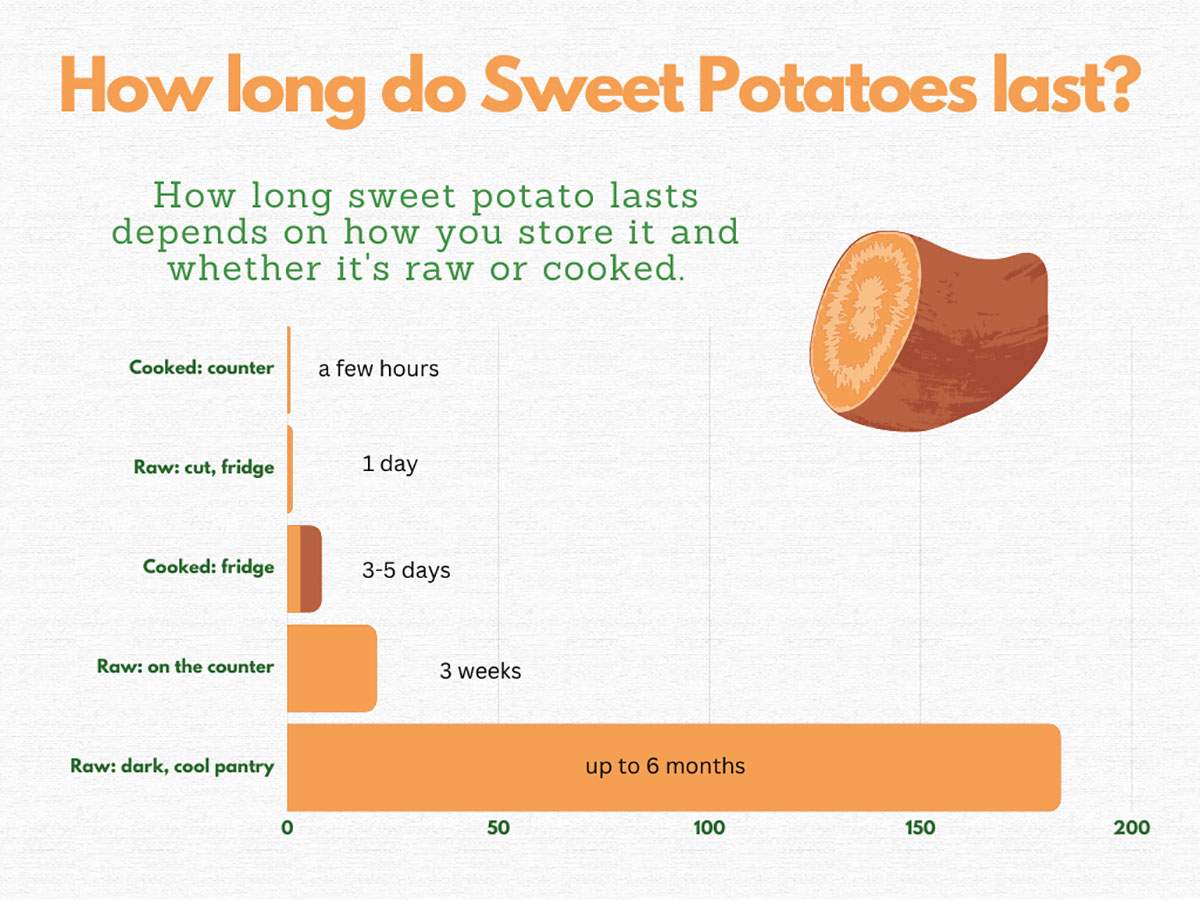
Whole sweet potatoes can last up to three to five weeks at room temperature in the right conditions.
Cut sweet potatoes should be stored in an airtight container in the refrigerator and consumed within four days.
If you have too many sweet potatoes to consume within their shelf life, you can freeze them for later use.
Freezing uncooked sweet potatoes is not recommended as they may lose their texture and flavor. However, cooked sweet potatoes freeze well and can be reheated for later use.
❄️ How To Freeze Sweet Potatoes
Raw sweet potatoes do not freeze particularly well because their texture can become watery or grainy. For the best results, cook or blanch them first.
Bake, steam, boil or blanch the sweet potato until just tender, then allow it to cool completely. Transfer it to an airtight freezer container or freezer bag, remove as much air as possible and label it with the date.
You can freeze sweet potatoes as cubes, slices, mash or whole baked potatoes. Use them within three to four months for the best texture and flavour.
✅ Best Practises for Buying Sweet Potatoes
When buying raw sweet potatoes at the grocery store, look for sweet potatoes that are firm, smooth, and free from any bruises or blemishes. Avoid sweet potatoes that have any signs of mold or decay.
💭 Frequently Asked Questions
It depends on what the black spot looks and feels like. A small, dry, shallow bruise or damaged patch can usually be cut away if the rest of the sweet potato is firm and smells normal.
Discard it if the black area is wet, soft, fuzzy, leaking, foul-smelling or spreading deeply through the flesh. Those signs indicate rot rather than harmless surface damage.
The milky white liquid that sometimes appears when you cut a sweet potato is usually natural sap. It contains water, starches and sugars released when the cells are cut open, and it is not a sign that the sweet potato has gone bad.
The sap may feel sticky or turn slightly darker as it dries. You can simply rinse or wipe it away. However, if the white substance is fuzzy, growing on the surface or accompanied by softness and an unpleasant smell, it may be mold rather than sap, and the sweet potato should be discarded.
Not necessarily. Small, clean cavities or a slightly spongy texture can be caused by pithiness, an internal quality defect that develops as the sweet potato ages or loses moisture. It may still be usable if the flesh is firm, dry and smells normal, although the texture may not be as good.
Cut away any isolated dry or brown damaged areas. Discard the sweet potato if the holes are surrounded by wet, mushy, dark or foul-smelling flesh, or if there is evidence of widespread rot.
A dry or stringy sweet potato is usually old and has lost moisture, but that does not automatically make it unsafe. If it is still firm, smells normal and has no mold, slime or wet decay, you can use it.
The texture may be less creamy than a fresh sweet potato, so it works best in soups, stews, mash or other recipes where a slightly drier texture will not be noticeable. Discard it if the dryness is accompanied by an unpleasant smell, mold or soft, rotten areas.
Sweet potato flesh can darken after cutting because it reacts with oxygen in the air. This natural oxidation does not necessarily mean it has spoiled.
To reduce darkening, prepare the sweet potato shortly before cooking or keep the cut pieces submerged in cold water until you are ready to use them. If dark areas were already present when you first cut it open and they are wet, soft, spreading or unpleasant-smelling, they are more likely to be caused by damage or decay.
Yes. Cooked sweet potato can spoil, particularly if it is left at room temperature for too long or stored in the refrigerator for several days.
Allow leftovers to cool, transfer them to an airtight container and refrigerate them within two hours. Use cooked sweet potato within three to four days. Discard it sooner if you notice mold, slime, an unusual smell or other signs of spoilage, and never taste it simply to check whether it is still safe.
Store peeled or cut sweet potato in an airtight container in the refrigerator and aim to use it within three to four days.
If you are preparing it for the following day, you can cover the pieces with cold water to help prevent browning. Keep the container refrigerated and cook the sweet potato within 24 hours, as soaking it for much longer can affect its texture.
Yes. Allow the baked sweet potato to cool completely, then wrap it tightly and place it in an airtight freezer bag or container. Freeze it for up to three to four months for the best quality.
Defrost it overnight in the refrigerator or reheat it directly from frozen until piping hot throughout. The flesh may be slightly softer after freezing, but it will still work well as a side dish or in mash, soups and fillings.
🍠 Recipes to Use Up Sweet Potatoes
If you have sweet potatoes that are nearing the end of their shelf life, here are some tips for using them up:
- Roast Them: Roasting sweet potatoes brings out their natural sweetness and can be a delicious side dish or snack. Sweet potato fries are also a great way to use up sweet potatoes.
- Make Soup: Sweet potato soup is a comforting and nutritious meal that can be made with just a few ingredients.
- Bake Them: Sweet potatoes can be baked and topped with your favorite toppings for a tasty and filling meal.
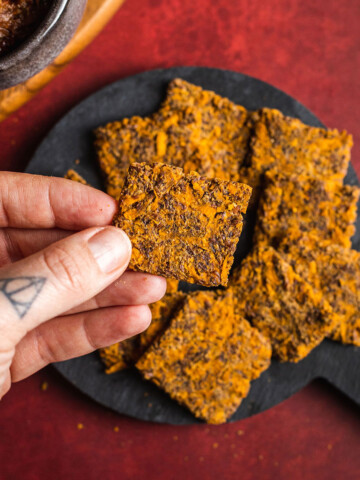
👉 Try These Sweet Potato Recipes


Want to make sure the rest of your pantry’s in good shape? Check out my guides on how to tell if garlic is bad and how to tell if onions are bad next.
© 2026 Romy London / Romina Callwitz | All images, videos, wordings and content are copyright protected and belong to Romina Callwitz. Please do not use any of my content without prior permission. If you wish to re-publish any (part of my) content, please get in touch via email. Thanks for your support!
*Disclosure: This page may contain affiliate links and sponsored links that earn me a small commission, at no additional cost to you. You can find more information in my Privacy Policy.




💭 Leave a Comment